Astonishing Facts About Caffeine

Astonishing Facts About Caffeine

We all love coffee. Few of us go for cold and few like it in hot form. Coffee, help us wake up in the morning, and apart from that it can be used for so many other options such as, for a short mid-morning break or while chatting with friends in the afternoon. Since caffeine is a stimulant, it’s consumption should be kept within safe levels. Safe amount of caffeine can vary considering person’s tolerance, age and health history weight etc. Health authorities established certain guidelines to give a brief about caffeine consumption.

  1. Healthy Adults: 300-400 mg a day
  2. Children (13-18): 100 mg per day
  3. Pregnant Women: Not more than 100-200 mg per day (after doctor’s consultation)

Here Are Few Other Facts About Caffeine That Not Many Us Know

  1. The effects of caffeine start within 15-20 minutes after the first sip.
  2. Caffeine and cocaine affects the brain in a similar way.
  3. One cup of coffee contains approx. 100 mg of caffeine.
  4. If someone drinks more than 50 cups of coffee within two hours, there are chances that the person would die.
  5. It is a fact that if painkillers are combined with caffeine the effects increase up to 40%.
  6. Daily caffeine consumption shouldn’t exceed 400 mg.
  7. Smokers metabolize caffeine up to 50% faster than non-smokers.
  8. Caffeine is processed faster in women than in men.
  9. Energy drinks have less caffeine than coffee.
  10. Caffeine is believed to Prevents Neurological disorders and treat some types of hyperactivity disorders.

Addiction of caffeine is not as intense as drug addictions. one may feel acute dependent or inclination towards caffeine and it can be dangerous to overdo it. A person can experiment and see how he feels with and without caffeine. Result of this experiment can be different. Few people do not feel anything when they consume caffeine and others don’t feel anything when they stop consuming it. People tend to experience withdrawal symptoms, for those who get these symptoms it is advised to slowly decrease the intake.


Lupus: Causes, Symptoms & Treatment

Lupus: Causes, Symptoms & Treatment

Lupus is a disease that can affect anyone at any age. It is most often diagnosed in young women. Although the exact cause is still unknown the eternal factors due to which lupus triggers are many. Lupus is an autoimmune disease that happens when the immune system attacks healthy cells of the body by mistake, and this mistake can potentially damage many parts of the body. The cure for lupus is still ambiguous, though effective treatments are available.

Most of the time Lupus remains misdiagnosed because its signs and symptoms often mimic those of other ailments. The most peculiar sign of lupus is a facial rash that resembles the wings of a butterfly across both cheeks.

Causes

Some people are born with a tendency toward developing lupus, which gets triggered by certain external factors. People with an inherited vulnerability to lupus may develop the disease when they happen to come in the environment that can trigger lupus. The cause of lupus in most cases, however, is unknown. Some potential triggers are:

  • Sunlight. Exposure to the sun may trigger an internal response in susceptible people.
  • Infections. Having an a prolonged and chronic infection can initiate lupus.
  • MedicationLupus can be triggered by certain types of blood pressure, heart problems, and other antibiotics.

 Symptoms

  •  Fatigue

The fatigue of lupus can be caused by many factors that include anxiety disorders, sleep disturbances, vitamin D deficiency etc.

Fatigue

  • Malar Rash

Many people with lupus experience a characteristic red colored rash across the cheeks and bridge of the nose in the shape of butterfly wings. These rashes last for several days and can be itchy and scaly at times. Rashes may also occur in the different parts of the body.

Malar Rash

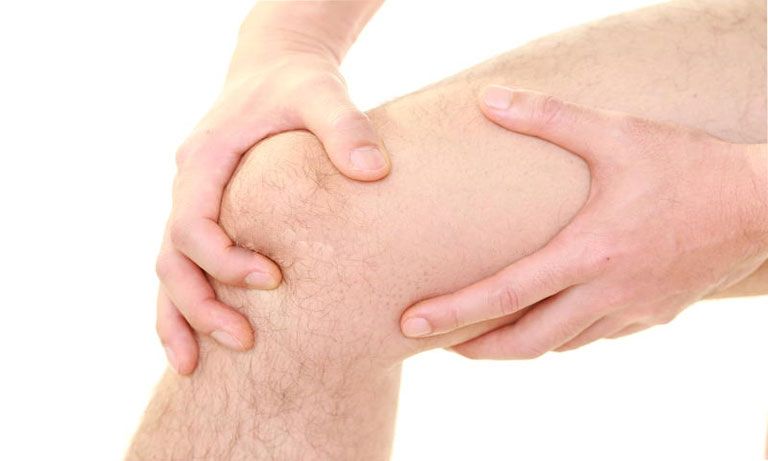
  • Joint Pain and Swelling

A study has shown that Up to 90 percent of people having lupus tend to have arthritis. The most common symptoms of arthritis are stiffness and aching of joints.

Joint Pain and Swelling

 Natural treatment for lupus

  • Anti-inflammatory diet

Following a healthy, unprocessed diet plays a crucial role in managing lupus because it helps control inflammation stemming from poor gut health, reduces the risk for complicates health issues.

Anti-inflammatory diet

  • Exercise

In general, it lowers stress, improves sleep quality, helps the heart and lung get strengthened.

Exercise

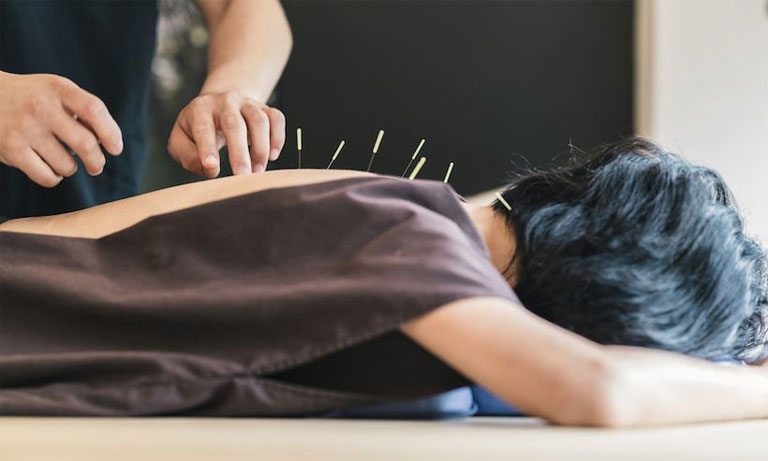
  • Stress reduction

Effects of stress relievers may vary from person to person. Meditation, yoga, and acupuncture can be considered as best treatment modes for many people, as they have numerous benefits for both body and mind.

Stress reduction

  • Getting sufficient sleep

Fatigue is a considerable hindrance for many people with lupus, take measures to make sure you’re getting enough quality sleep every night and taking rest during the day is important.

Getting sufficient sleep

Battle Off Depression Like A Pro

Depression is a very common problem that many people around us are facing. There are many reasons that we stress about and eventually these factors become the reason that further aggravate the symptoms of depression. The causes of depressions can be a combination of genetic, biological, environmental, and psychosocial factors. Here are few natural ways that can be followed to treat depression at home.

What Are the Main Causes of Depression?

There are many factors that may increase the chance of depression, including the following:

  1. Abuse (physical, psychological, sexual drug
  2. Certain medications
  3. Conflict
  4. Death or a loss
  5. Genetics
  6. Major events
  7. Personal problems
  8. Serious illnesses

Fight it off with natural treatment

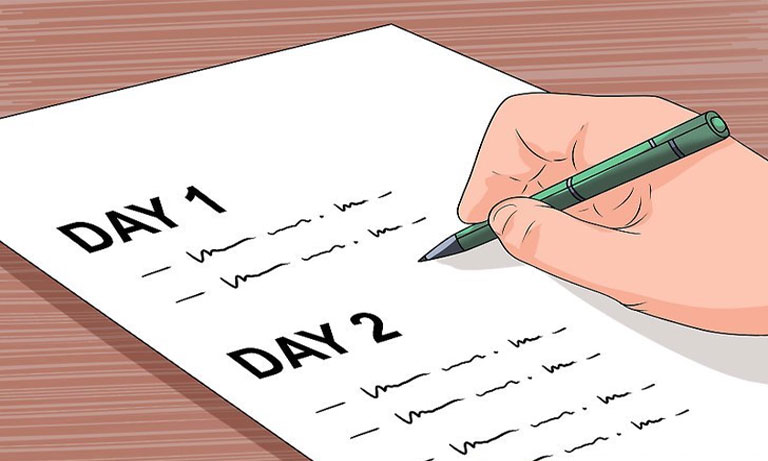
  • Get into a routine

Most important thing during the phase of depression is following a proper routine. A healthy routine can help strip away many possible responsible factors. Maintaining a schedule can help you get back on track.

Get into a routine

  • Assign goals to yourself

When someone is depressed, there is a constant feeling of incompetence. Which eventually gets transformed into the stinging feeling that makes you feel worse about yourself. To retaliate this feeling, set daily goals. As you start to feel better, you can add more challenging daily goals.

Assign goals to yourself  

  • Exercise

Keep yourself indulged in exercise as it temporarily boosts endorphins. It may also have long-term benefits for people with depression. Regular exercise encourages the brain to redirect it to positive ways. You don’t have to struggle yourself to the core, brisk exercise would be enough.

Exercise

  • Eat healthy

Although there is no magic diet that can fix depression it is always a good idea to be conscious about DIET. In certain cases, depression tends to result in eating disorder. Make sure you don’t overeat, getting in control of your eating will help you feel better.

Eat healthy

  • Get enough sleep

Always make sure that you are taking proper sleep. Depression can make it hard to get enough sound sleep but too little sleep can just work in a negative way.

Get enough sleep

Start with simple and easy steps. Don’t let depression seep into your life like a normal routine rather, battle if off naturally. If you don’t observe any improvement then you must consult a psychiatrist.

What Is Amnesia? Causes and Symptoms

What Is Amnesia? Causes and Symptoms

Forgetting important and key events in life is completely different from being a little forgetful. When you start forgetting important milestones in life, memorable events, key people in our lives, and vital facts we have been told or taught, it is called Amnesia. People with Amnesia may have trouble learning new information and forming new memories.

This means that Mild memory loss can be a normal part of aging. Whereas, significant memory loss or inability to form new memories is development stage of amnesia disorder.

Causes of Amnesia:

  • Anoxia

Depletion of oxygen levels can lead to memory loss. This condition is called anoxia. In some cases where the anoxia isn’t severe enough for causing brain damage, then the memory loss can be temporary.

  • Head injuries

Traumatic head injuries and stroke, can also cause damage to your brain. This damage can cause problems related to permanent memory loss. Commonly disrupt memories of the hours, days, or weeks before and after you were injured can be experienced.

  • Trauma

Severe stress or trauma can be a big cause behind amnesia. In this condition, your mind rejects thoughts, feelings, or information that you’re too overwhelmed to handle.

  • Dementia

A memory’s location in your brain is thought to depend on its age. People suffering with dementia usually forget recent memories first and are able to keep older memories longer.

  • Damaged hippocampus

Your hippocampus is a part of the brain and is responsible for memory. Its usual functions involve forming memories, organizing memories, and retrieving them when needed. When your hippocampus is impaired, you will have difficulty forming new memories.

When to see a Doctor?

When a person starts to experience unexplained memory loss, confusion or head injury that requires immediate medical attention. Or, help the person get some medical attention, if he has the below mentioned symptoms of Amnesia.

Symptoms of Amnesia are:

  1. Memory loss
  2. Inability to form new memories
  3. Difficulty recalling facts, events, places, or specific details
  4. False memories (confabulation), made up of genuine memories misplaced in time or either completely invented
  5. Confusion
Is 3 Days Military Diet Really Effective?

Is 3 Days Military Diet Really Effective?

A low-calorie diet plans that people choose to follow in a hope of losing weight quickly is popularly known as the military diet. Military diet is expected to help in losing Up to 10 pounds in 3–7 days. However, there isn’t much evidence that this will be equally effective for every person. Let’s know more about a 3-day military Diet. Foods that are allowed as part of the military diet include:

  1. Apples, Grapefruit, and bananas
  2. Whole wheat toast and saltine crackers
  3. Cottage cheese & hard cheddar cheese
  4. Canned tuna fish
  5. Meat of any kind, including processed meats like hot dogs
  6. Eggs
  7. Green beans, broccoli, carrots
  8. Peanut butter
  9. Vanilla ice cream
  10. Black coffee (with no cream and sugar added, but stevia is allowed) and water

How Does the Military Diet Work?

3-day military diet is split into 2 phases over a 7-day period. If you decide to follow the diet plan then there are certain things that are needed to be kept keep in mind. For the initial 3 days, you must strictly follow a set low-calorie meal plan for breakfast, lunch, and dinner. Remember not to satiate the craving for snacks between the meals. Total calorie intake during this phase is roughly 1,100–1,400 calories per day.

For the remaining 4 days of the week, you cannot start eating random things but make sure to eat healthily and continue to keep your calorie intake low.

you can repeat the diet several times until you reach your goal weight.

  • Military Diet Precautions

If you have finally decided to give it a try, keep these following precautions in mind:

  1. Drastic reduction in intake of calories may contribute to side effects like cravings, muscle weakness, headaches, trouble concentrating, poor sleep and digestive problems as you’re likely to feel more hungry, irritable and tired than usual.
  2. If you are an athlete low-calorie intake and depleted glycogen stores may result in delayed recovery from exercise.
  3. If you are suffering from eating disorder, then trying the military diet is not at all recommended, as it can lead to deterioration in health.