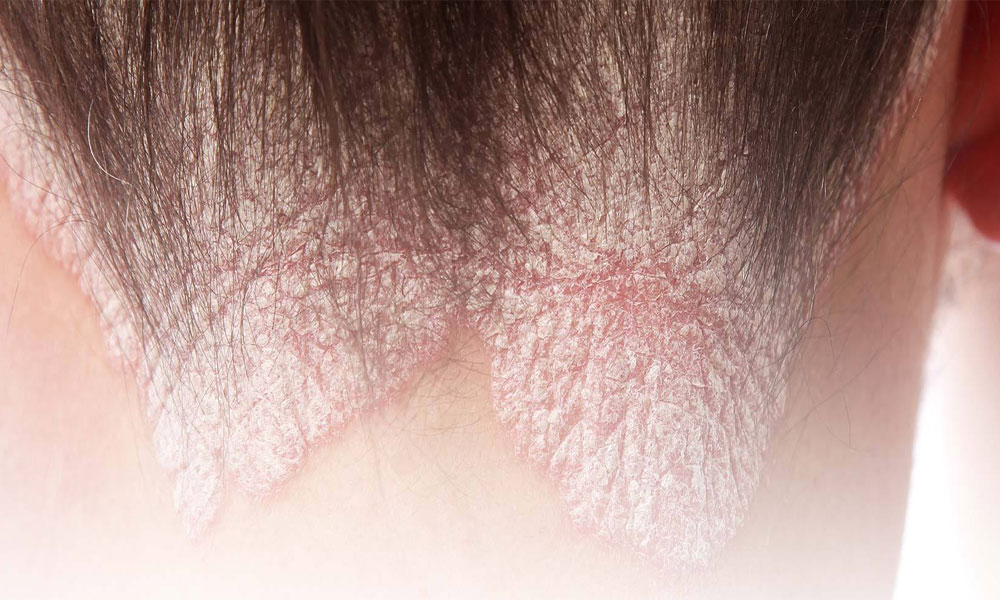
Scalp Psoriasis

Tackle Scalp Psoriasis, All Naturally

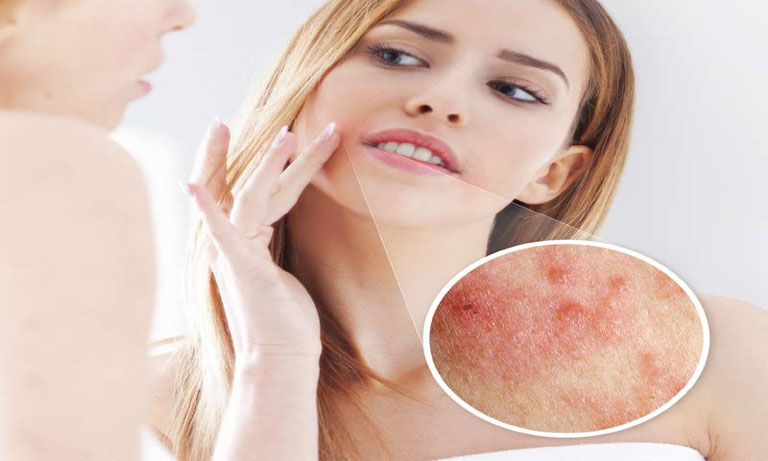
Scalp psoriasis is a common skin infection that causes raised, reddish, and to an extent scaly patches on the scalp. They can pop out as either single or several patches at a point in time as it can affect the entire scalp. Scalp psoriasis is not a communicable disease thus it doesn’t spread from one person to another. The patches can also spread to your forehead, the back of your neck, or behind and inside your ears.

The exact reason why it happens is still unknown and doctors assume, it arises when some disruptions happen in the immune system, which causes skin cells to grow too quickly and build up into patches. A person is more likely to get scalp psoriasis if it runs in his family.

Symptoms

If a person suffers from mild scalp psoriasis he may notice only slight, fine scaling. The Symptoms of moderate to severe scalp psoriasis may include:

  1. Scaly, red, bumpy patches
  2. Silvery-white scales
  3. Hair loss
  4. Dandruff-like flaking
  5. Dry scalp
  6. Itching
  7. Burning or soreness

There is no specific hair loss due to Scalp psoriasis but frequent and severe scratching, picking at the scaly spots, harsh treatments, can lead to temporary hair loss. Fortunately, the hair that is lost usually grows back after the skin clears.

If a person is facing these symptoms then it is recommended that he or she should consult a dermatologist soon.

Get Rid of Scalp Psoriasis At Home

  • Stop using chemical based shampoo

Most of the shampoos contain salicylic acid which being chemical, burns the flake off the skin. Harsh chemicals are harmful and add to the deterioration of the condition. Strong chemicals may cause itchiness and, burning sensation can increase. Try using a herbal shampoo such as Aloe Vera or any other herb whichever is most suitable.

  • Don’t wash hair frequently

It may sound strange but cutting number of washes can be of great help. Scalp secretes natural oil that is extremely important and beneficial for the hair health. Washing hair frequently washes off these natural oils from the scalp and thus slowing down the recovery.

  • Use scalp moisturizing treatment once a week

Aloe Vera based shampoos are the best that can help in the treatment of scalp psoriasis as it nourishes the scalp and provides moisture to the scalp naturally. There is another treatment that can be done at home to treat itchy scalp.

Mix 1 to 2 spoon aloe vera with 1 or 2 drops of essential oil (lavender Peppermint or tea tree oil). Massage the mixture onto the scalp with fingertips gently. Those who have long hair should tie their hair in a bun and let the oil penetrate the skin for 30-60 minutes. After that wash it off with a herbal shampoo and apply herbal conditioner

  • Eat an oil-rich diet

Don’t prance on oily street food, Oil here means healthy oil. Include a little amount of olive and coconut oil into your diet. If not all that, then include plenty of Omega3 in your daily meals.


Mucus

Mucus Is Gross. Yet It Is Extremely Important

Mucus is a slippery liquid containing water, proteins, and salt. Many have misconstrued this fact that mucus is generated only by our nose whereas it is present throughout the body. No matter how gross you think it is but is it just doing its job that is defending, protecting, and cleansing your nasal passageways and keeping delicate tissues moist. Mucins, the Sugar-containing proteins are responsible for its gelatinous consistency. It functions for Discarding infection that are fighting white blood cells plus other debris picked up in the nasal cavity. Boogers are mucus that has just dried up or other particles, like dirt, dust, and pollen. Post-nasal drip is mucus that runs down the back of the throat.

5 Facts about Mucus and Boogers

  • There are Special cells and glands that are found in the thin mucous membrane that regularly produce the slimy stuff. Mucus-secreting tissue can be found in the nose, mouth, throat, and lungs. But it’s also present in our eyes, ears, GI tract, and reproductive and urinary organs.
  • Mucus in the respiratory system is a film that protects the important parts of the inner nose and lungs. It keeps nasal passages (and lungs) well moisturized.
  • Sometimes mucus gets thicker when our body is fighting off an infection. But it can also be thin and runny. It all depends on the type of virus or irritant activating the body has got infected with.
  • In the case of a cold, the wall of mucus serves as a barrier that prevents other bacteria and other dirt particles from entering the nasal membranes,
  • Stuffy nose? It is a very common problem that many of us face at the time of cold and flu. It’s usually the swelling in mucus-generating tissue that blocks the nasal passageways. sometimes, mucus can get thick like sludge and blocks the sinus cavities.
Arm Pain

Arm Pain Can Be a Sign of Serious Health Problems

What is Arm Pain?

Arm pain can be defined as discomfort or pain anywhere throughout the arm. Including pain in elbow, wrist, shoulder. Arm pain can be caused due to varied reasons. Depending on the cause, that the pain may start and vanish suddenly and sometimes it may increase gradually.

  • Symptoms that occur with arm pain
  1. Arm redness
  2. Stiffness
  3. Swollen lymph nodes
  4. Swollen arm
  • Causes of arm pain

Symptoms of arm pain tend to fluctuate from mild to severe depending upon the Causes. There can be several Possible causes of arm pain including:

  • Pinched nerves

The issue of Pinched nerves arises when a nerve has too much pressure on it due to an abnormality of the surrounding that is bones, muscles, cartilage, and tendons. Other symptoms of pinched nerves can include:

  1. Tingling sensations
  2. Numbness
  3. sharp & stinging pain
  4. Muscle weakness
  • Sprains

Sprains are said to be caused due to the rupturing of the ligaments or tendons. They’re extremely common injuries caused due to minor or major accidents. Common symptoms of sprain can include

  1. Swelling
  2. Bruising
  3. Limited joint mobility
  • Rotator cuff injury

These occur most often in people who perform overhead motions in their daily lives, like painters or baseball players. Symptoms include a constant pain in the shoulder, difficulty in rotating the shoulder and potential arm weakness.

  • Broken bones

Fractured bones can cause nerve wrenching pain in the arm. An audible snap can be heard when the bone breaks. Symptoms may include swelling, bruising, severe pain, a bulged-out deformity.

  • Rheumatoid arthritis

RA is a chronic disorder that is generally caused by inflammation sensed within joints that most directly affects the mobility of joints. Common symptoms include:

  1. warm, tender joints
  2. swelling of the joints
  3. stiffness in the joints
  4. fatigue
  • Angina

Angina occurs when the heart isn’t getting an adequate amount of oxygen. Along with pain in the arm, it can cause pressure in your chest, neck, and back. Having angina indicates towards the fact that heart is facing problems in doing its job. Other symptoms can include:

  1. Chest pain
  2. Nausea
  3. Shortness of breath
  • Heart problems

when blood fails to get the proper amount of blood due to blockage and scarcity of oxygen. This result in sections of the heart muscle to die if oxygen doesn’t return quickly. When experiencing a heart attack, you may have:

  1. Pain in one or both arms
  2. Shortness of breath
  3. Pain elsewhere in your upper body
  4. Nausea
  5. A cold sweat
  6. Chest pain
  7. Dizziness
Quick facts about Diarrhea

Quick facts about Diarrhea

Diarrhea is loose, watery stools that are frequent and more than two to three times a day. Diarrhea is often accompanied by other symptoms, such as vomiting, stomach pain, fever and loss of appetite. Also, note that diarrhea is not always caused by not eating proper food, it can also be caused by stress or turmoil.

Diarrhea can be of three types

  1. Acute diarrhea, a common problem that typically lasts 1 or 2 days and goes away on its own.
  2. Persistent diarrhea lasts more than 2- 4 weeks.
  3. Chronic diarrhea lasts at least 4 weeks. symptoms may be continual or may come and go.

Here are 5 Facts About Diarrhea that should be kept in Mind

  • Diarrhea is not a disease, but a symptom. When the body loses bodily fluid frequently then it may be linked to other complications. Diarrhea supposedly happens to a person when he faces an increase in bowel movements, in comparison to that person’s usual pattern.
  • Although it is considered that many germs lead to diarrhea, sometimes a person can have diarrhea even without an infection. Such diarrhea can be caused by certain medication, food allergies, chronic diseases etc.
  • Suffering from loose and watery stools is common but in diarrhea, the person may also urinate less. There may be a feeling of bloating, nausea, and abdominal cramping. It is suggested that immediate consultation of doctor is required if diarrhea lasts for more than 48 hours or you have a mild fever.
  • The aim of treating diarrhea is to get the bowel movements back to normal. Excessive dehydration is one of the main symptoms of diarrhea, which can further lead to kidney damage and electrolyte imbalances. Make sure you properly hydrate your body. Go for natural remedies if you think medicines are not working for you. But, make sure all this is done under doctor’s eye.
  • If children and adults practice good personal care routines they can manage to limit the spread of diarrhea. Try using an alcohol-based sanitizer to help curb the germs.

Also, one of the most important things to know is to not eat contaminated and unhygienic foods. Make sure you boil/cook your food effectively to kill all the germs.

Lupus: Causes, Symptoms & Treatment

Lupus: Causes, Symptoms & Treatment

Lupus is a disease that can affect anyone at any age. It is most often diagnosed in young women. Although the exact cause is still unknown the eternal factors due to which lupus triggers are many. Lupus is an autoimmune disease that happens when the immune system attacks healthy cells of the body by mistake, and this mistake can potentially damage many parts of the body. The cure for lupus is still ambiguous, though effective treatments are available.

Most of the time Lupus remains misdiagnosed because its signs and symptoms often mimic those of other ailments. The most peculiar sign of lupus is a facial rash that resembles the wings of a butterfly across both cheeks.

Causes

Some people are born with a tendency toward developing lupus, which gets triggered by certain external factors. People with an inherited vulnerability to lupus may develop the disease when they happen to come in the environment that can trigger lupus. The cause of lupus in most cases, however, is unknown. Some potential triggers are:

  • Sunlight. Exposure to the sun may trigger an internal response in susceptible people.
  • Infections. Having an a prolonged and chronic infection can initiate lupus.
  • MedicationLupus can be triggered by certain types of blood pressure, heart problems, and other antibiotics.

 Symptoms

  •  Fatigue

The fatigue of lupus can be caused by many factors that include anxiety disorders, sleep disturbances, vitamin D deficiency etc.

Fatigue

  • Malar Rash

Many people with lupus experience a characteristic red colored rash across the cheeks and bridge of the nose in the shape of butterfly wings. These rashes last for several days and can be itchy and scaly at times. Rashes may also occur in the different parts of the body.

Malar Rash

  • Joint Pain and Swelling

A study has shown that Up to 90 percent of people having lupus tend to have arthritis. The most common symptoms of arthritis are stiffness and aching of joints.

Joint Pain and Swelling

 Natural treatment for lupus

  • Anti-inflammatory diet

Following a healthy, unprocessed diet plays a crucial role in managing lupus because it helps control inflammation stemming from poor gut health, reduces the risk for complicates health issues.

Anti-inflammatory diet

  • Exercise

In general, it lowers stress, improves sleep quality, helps the heart and lung get strengthened.

Exercise

  • Stress reduction

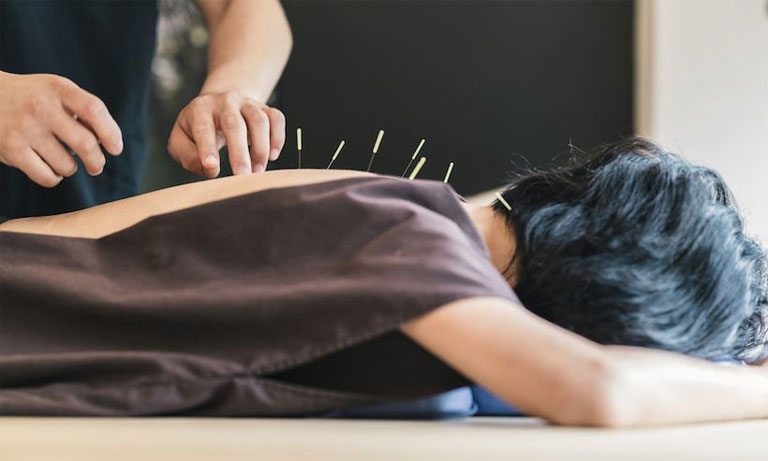
Effects of stress relievers may vary from person to person. Meditation, yoga, and acupuncture can be considered as best treatment modes for many people, as they have numerous benefits for both body and mind.

Stress reduction

  • Getting sufficient sleep

Fatigue is a considerable hindrance for many people with lupus, take measures to make sure you’re getting enough quality sleep every night and taking rest during the day is important.

Getting sufficient sleep