Facts About Cholesterol

Ultimate Facts About Cholesterol That May Leave You Surprised

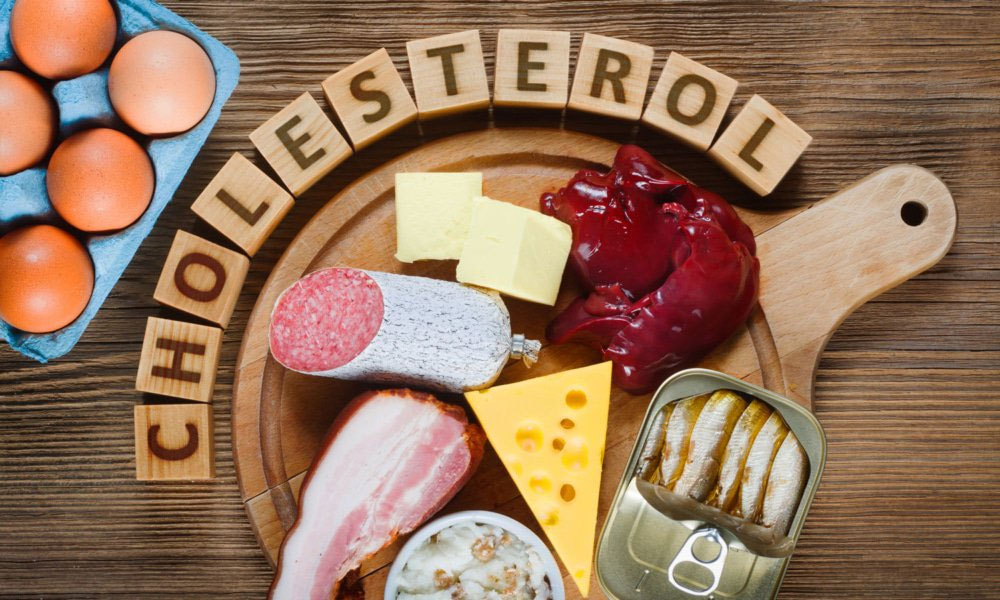
Nearly every one of us has heard about cholesterol and all of us have misconstrued this fact that cholesterol is always bad for health. Often, it is only talked about in terms of the dangers of having too much of it, a condition is known as hypercholesterolemia. But on the contrary, it is a natural vital substance that can be extremely beneficial too. Here are some facts that may surprise your cholesterol.

  • Cholesterol performs Important functions

Cholesterol in excess can be extremely hazardous to health, but on the other hand, it performs some essential functions in the body. It helps in forming the outer layer of the cells. Helps in formation of bile acids that aids in the digestion of the food. And the third most important function is, that it lets the body to make Vitamin D and hormones, like estrogen in women and testosterone in men.

  • All the Cholesterol in the Body Doesn’t Come from Diet

The body produces all the cholesterol required by itself without relying on external sources. As a matter of fact, if someone eats a diet that contains zero cholesterol, the body would still make approximately 1,000 mg it needs for digestion, cell development and vitamin and hormone production. Although all cells can make cholesterol, but the liver is an organ that can produce and export cholesterol the along with metabolizing excess cholesterol and recycle it.

  •  Not All Cholesterol is harmful

There are two different types of cholesterol, Low-density lipoproteins, and high-density lipoproteins. Too much LDL in bloodstream results in deposition of excess cholesterol in the arteries, which can further cause heart disease.

  • High Cholesterol Can Be Inherited

Familial Hypercholesterolemia (FH) is a condition in which an individual inherits abnormal chromosomes from their parents. It makes people more prone to premature heart disease caused by narrowing of the arteries and plaques.

  • High Cholesterol Can Have an Effect Even Before Birth

If parents have FH, their childrenare more likely to the disease and are at greater risk of having FH. This condition can further lead to severe heart disease. If both parents have Familial Hypercholesterolemia, each child will have a 50 percent chance of inheriting one FH gene and a 25 percent chance of inheriting two FH genes. Which aggravates narrowing and then blocking of the blood vessels very rapidly, if not treated in time.

  • Hereditary High Cholesterol is common and can be treated

In families with a pattern of early heart disease or high cholesterol, children at a very younger age are at the risk of such chronic diseases. Many medications & lipid-lowering therapies have come into existence to treat Familial Hypercholesterolemia. Appropriate treatment can decrease the risk of early heart disease associated with inherited hypercholesterolemia.
Asthma

Few Things you Must Know About Asthma

What is Asthma?

Breathing is the task that is taken for granted by all of us. Although, for some people catching their breath is not always an easy task. In fact, 1 in every 5 Indians has a breathing problem. Most common amongst them is Asthma, which is a lung disease caused by inflammation that leads to shortness of breath, chest tightness, and uncontrollable coughing. Many people with asthma also have a family history of breathing allergies, making it a common ailment and complaint.


What are the Symptoms of Asthma?

When the airways responses to asthma triggers, people tend to experience asthma flare-ups or in common term, asthma attack. An asthma attack basically occurs when muscles around the lining of the air passages stiffen. Swelling reduces the amount of air that can pass through the airways and leads to wheezing.

Symptoms of an asthma attack include:

  1. Coughing
  2. Chest tightness
  3. Wheezing
  4. Sudden gasping

Symptoms of an asthma

What is the Treatment for Asthma?

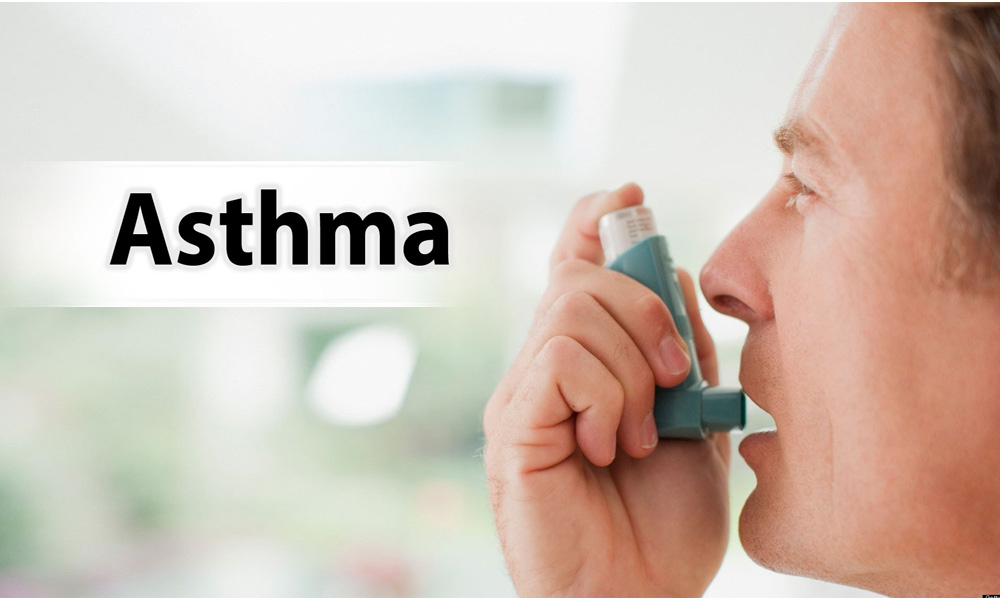
Asthma is a disease that cannot be cured absolutely but, it can be controlled by certain preventive measures. Asthma is aimed at controlling airway inflammation and avoiding known allergy triggers. The main goals are to restore normal breathing and preventing asthma attacks. Asthma treatments commonly involve inhalers that are the most preferred method by the doctors because it results in easier and direct reach of the drug into the lungs in smaller doses &lesser side effects. If the problem is serious, patient should speak with their doctor about how to manage their condition.


How to use an Asthma Inhaler?

Talk with your doctor and develop an emergency asthma action plan, particularly for the time of asthma attack. Make sure to use the inhaler correctly and carry it along all the time. If your asthma is not well controlled you might need to use the inhaler more than twice, and evidently, it’s not a good sign. consult your doctor to manage the condition.

Asthma Inhaler

Practice using your inhaler. Medicine works best if they are used correctly. Here are few steps that can help you use the inhaler correctly:

Prepare your inhaler:

  • Remove the cap. Check the mouthpiece, there should be nothing that blocks the ejection of medicine.
  • Shake the inhaler to mix the medicine present in it.
  • Hold the inhaler upright, with the mouthpiece pointing towards the mouth.

Time to breathe in the medicine:

  • Keep your mouth away from the mouthpiece, and take a long breath to clear your lungs.
  • Place the mouthpiece into the mouth and tighten your lips around the nozzle to form a seal and prevent the leakage of medicine
  • Start to breathe in slowly through your mouth it helps the medicine to get into your lungs.
  • Hold your breath for at least 5 seconds after following the previous step.
  • Gargle with warm water to remove any leftover medicine from your mouth and throat.

Take care of yourself. You can help the doctor in preparing an action plan for yourself.

The above information is just an educational help. It doesn’t aim towards advising individual conditions or treatments. Talk to your doctor, before following any medical regimen make sure it is safe and effective.

Heart Disease

Symptoms Leading to Severe Heart Disease

Cardiovascular diseases generally, refers to the conditions that involve blocked blood vessels leading to a heart related serious problems. Other heart conditions, affecting heart’s muscles, valves or rhythm, are being considered as heart disease. Our body always warns us about forthcoming health risks through different signals. We out of our ignorant towards these signals happen to miss out this indication which further leads to severe health risks in future. Some of these symptoms that our body indicates are as follows:

  • Chest Pain

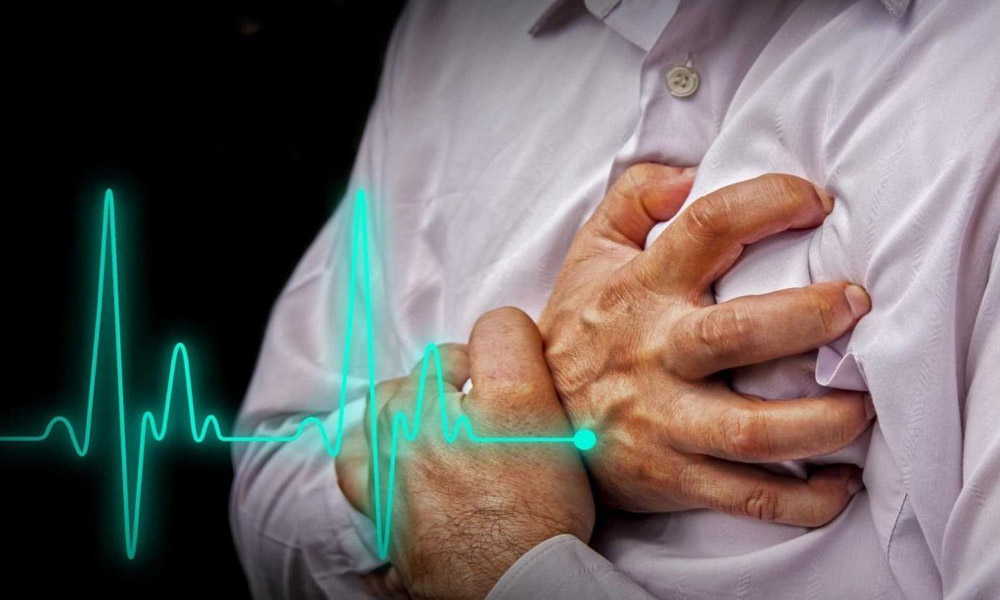
Chest pain is the classic sign of a heart attack, yet many people take it as something very normal and not a medical emergency. If you suddenly feel pain in chest and you feel extremely uneasy. If it’s a heart attack, it’s usually described as a heaviness and a sort of constricting feeling.

Chest Pain

  • Stomach Pain

There are various reasons for stomach pain, indigestion being one of them. But if you feel the perpetual urge to vomit and constant heartburn then there is something that should be bothered about. If you feel the risk of any heart issue then it is recommended to see a doctor and let the doctor diagnose the main reason for all the problems that you have been facing.

Stomach Pain

  • Feeling Exhausted and Sweaty

Sweating while you have been working out in the gym or because of the raised temperatures is nothing to worry about. But feeling exhausted abruptly along with chest pains is a sign that you should not be ignorant about. Consult your doctor as soon as possible.

Feeling Exhausted and Sweaty

  • Arm Pain

Many people will question how is arm pain associated with heart? but it is a fact that it can be a sign of a heart attack. If you have a heart pain that goes down the arm, especially the left arm, that it is more likely that the pain is related to heart more than any other health issue

Arm Pain

  • Swollen Ankle

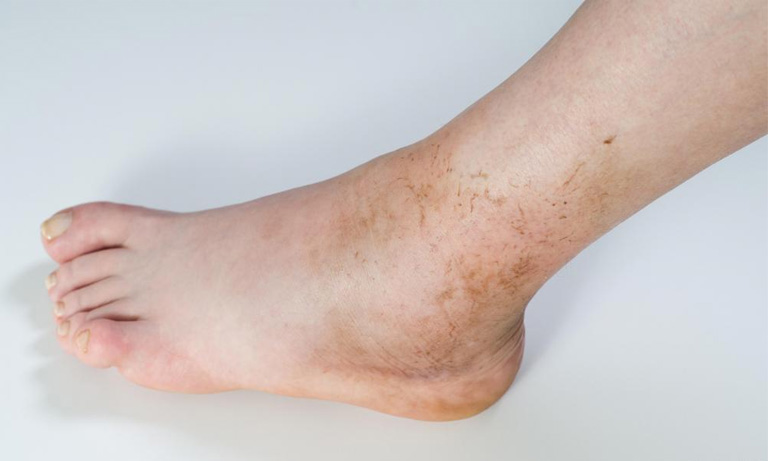
Swelling of ankles shouldn’t be ignored, especially if the ankles get huge, as it signals towards poor heart condition, but it is also very common and has lots of other causes. ankles. If you’re getting swollen ankles, and swelling isn’t subsiding then it is enough to fix an appointment with your doctor.

Swollen Ankle

  • Irregular Heartbeat

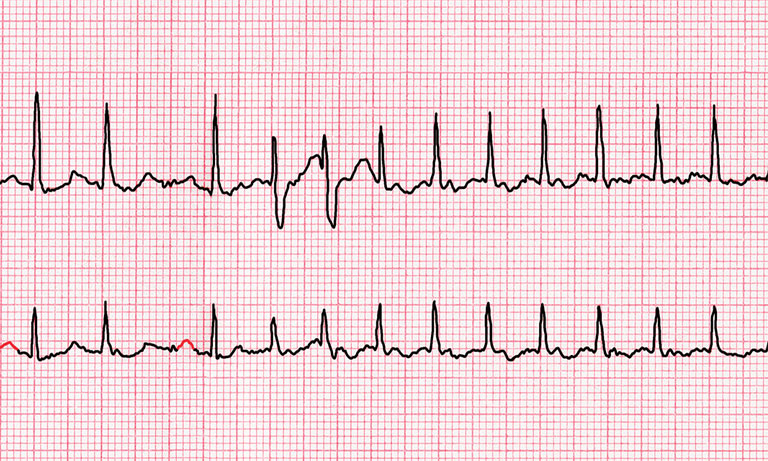
If your heart is going very fast and jumping around erratically then it is extremely important to visit your doctor and get yourself diagnosed.

Irregular Heartbeat

Heart diseases is a grievous and fatal health issue that should not be neglected. Always try to prevent heart problems by following the proper diet and proper work out. If still, you face any of the symptoms mentioned above don’t wait much to visit your doctor.

Food Poisoning: Symptoms and Remedies

Sometimes it’s the gluttony that can lead you to get sick by eating your favorite food. We often have an urge to feast on street food – be it chole bhature, Tikki or bhalle papdi but we ignore the unwanted consequences that it would bring. Food poisoning is a result of unhygienic handling of food which leads to breeding of harmful bacteria. Food poisoning cases are demonstrated by symptoms like abdominal pain and fever.

Symptoms of food poisoning cannot get undetected but can vary depending on the source of the infection. Common causes of food poisoning will typically include following symptoms:

  1. Abdominal cramps
  2. Diarrhea
  3. Vomiting
  4. loss of appetite
  5. Fever
  6. Weakness
  7. Nausea

Symptoms that can get Potentially life-Threatening Are:

  • Diarrhea persisting for more than three days
  • Fever higher than 101.5°F
  • Difficulty in seeing or speaking
  • Bloody urine


If you undergo any of the symptoms mentioned above it is advised to see your doctor immediately, and besides that try effective home remedies with good outcomes, as adjuncts.

  • Ginger

To use ginger as a home remedy, make some ginger tea by boiling one teaspoon grated ginger with a cup of water for a few minutes, add a little sugar or honey to it for sweetness. Drink this tea twice a day.

  • Lemon

The acid present in lemon kill bacteria and other harmful microbes. Add honey to one teaspoon of lemon juice and drink it two to three times a day.

  • Basil

Extract juice from some basil leaves and mix it with one tablespoon of honey and drink it several times a day.

Fenugreek and curd

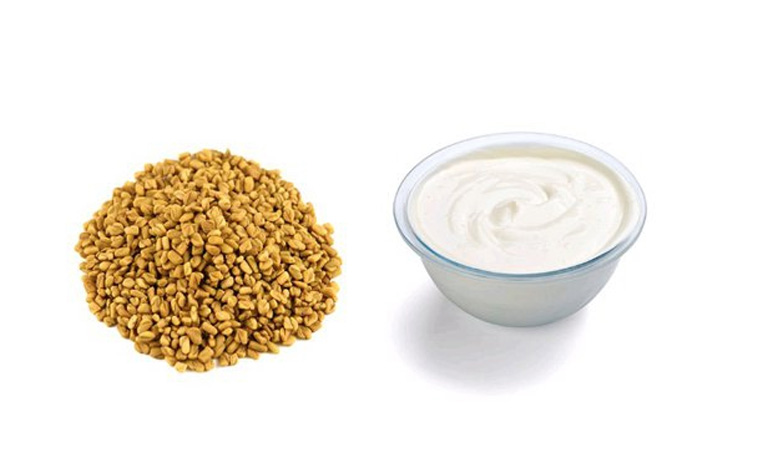
Combine one teaspoon fenugreek seeds along with a tablespoon of yogurt. Consuming this will give you an immediate relief from upset stomach pain and vomiting.

Weight Gain

5 Ailments That Cause Weight Gain

If the needle on your bathroom is perpetually creeping upward, the first thought you will probably get is that junk that you have been gulping down is the reason for the weight gain. But while the usual culprits—too much food, too little exercise are prominently responsible for the weight gain then on another hand there are some surprisingly common medical conditions and widely used prescriptions that can add a lot of difference. These are 5 ailments that cause weight gain.

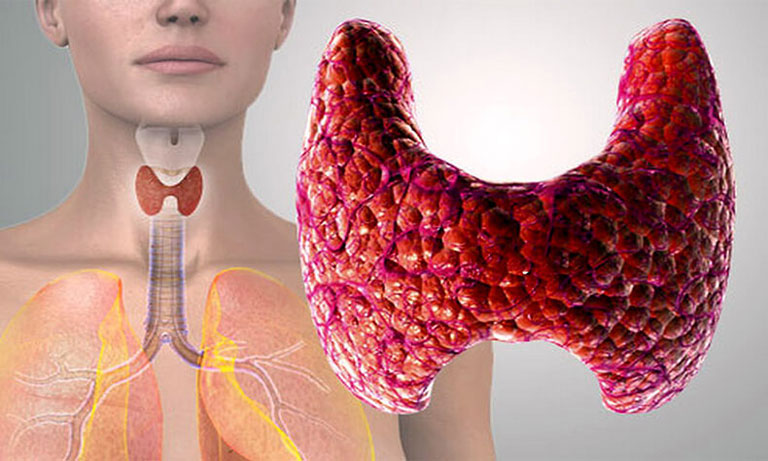
  • Under-Active Thyroid

An under active thyroid condition occurs when the thyroid gland fails to produce sufficient amounts of the thyroid hormones that regulate body’s metabolism. A lack of these thyroid hormones results in weaker metabolism, causing symptoms such as weight gain, tiredness, depression, poor concentration etc. Although an under active thyroid can occur at any age and in either of sex, it is most common in older women. The condition can be treated with daily hormone-replacement tablets.

Under-Active Thyroid

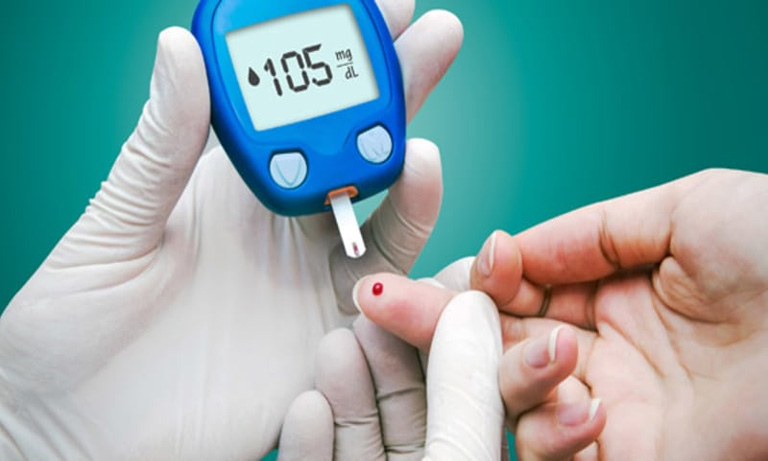
  • Diabetes

Weight gain is a most common adverse effect that people who take insulin to manage their diabetes face. Insulin helps in helps to curb blood sugar level. In some cases, diabetic patients tend to eat more to prevent low blood sugar, also known as a “hypo” or hypoglycemia.Excessive intake of food or overeating to prevent a hypo which contributes to extra calorie intake and overall weight gain.

Diabetes

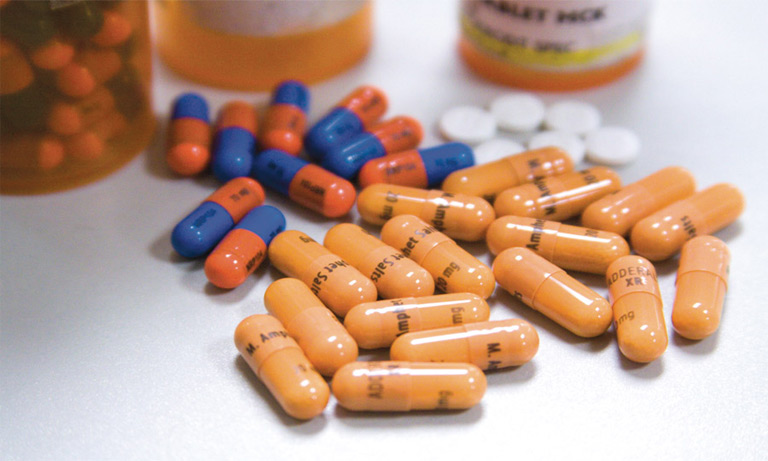
  • Steroid Treatment

Steroids, also known as corticosteroids, are used to treat a variety of conditions, such as asthma and arthritis.  Use of corticosteroid tablets enhances appetite in some people, leading to weight gain. Steroids make you feel hungry, affecting the areas of the brain that control feelings of hunger thus the more steroid you intake you are likely to put on more weight. It’s better to be extra careful about what you eat during your steroid course being extra careful will help in the prevention of overeating.

Steroid Treatment

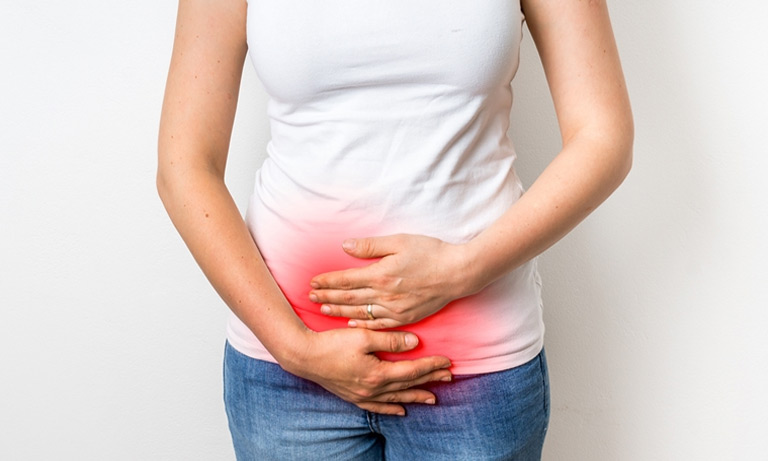
  • PCOS (Poly-Cystic Ovarian Syndrome)

PCOS Symptoms can include irregular periods, trouble getting pregnant, excess hair and weight gain. The cause for PCOS is unknown, but it’s thought to be hormone-related, including too much insulin and testosterone. Women agonizing with PCOS put on weight around their waist. Weight loss through dietary changes and exercise can bring some relief.

PCOS (Poly-Cystic Ovarian Syndrome)

  • Cushing’s Syndrome

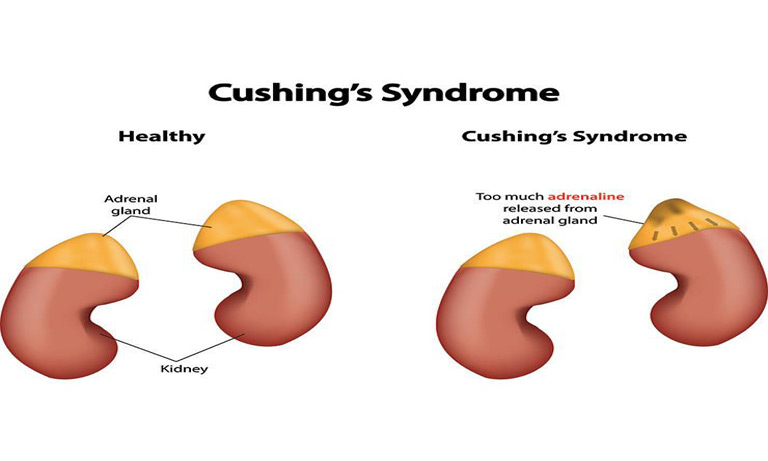
Cushing’s syndrome is very rare and is caused by high levels of the hormone cortisol. Weight gain in this health conditions is a common symptom, particularly on the chest, face, and stomach. Cushing’s syndrome is generally caused by long-term steroid treatment depending on the cause, treatment of Cushing’s syndrome involves either reducing or withdrawing the use of steroids.

Cushing’s Syndrome