Impact of Sugar Drinks on Heart Can Be Fatal??

Impact of Sugar Drinks on Heart Can Be Fatal??

After few types of research, scientists have found that Sugary drinks are linked to premature deaths due to heart problems while sweet food does not harm heart to that extent although they can cause many other health problems.

Researchers believe that these sugary drinks and food are processed differently by the body and, this is the reason that they can be responsible for the distinct outcomes. Consuming approx. and at least one ounce of sweetened beverage per day is associated with increased blood pressure and the fact that is worth worrying about is that sugary drinks could raise blood pressure in teenagers which leads to many other health issues.

It is a fact undeterred that during hunger pangs people who consume sugary drinks are less likely to feel full than those who eat solid foods, even though both incorporate the same number of calories. And, that people who drink sugary beverage daily to the quantity of 24 ounces are twice as likely to die from heart disease.

There have always been researchers who revealed the association of added sugar and preservatives to both obesity and chronic disease, but despite all the researches its impact on death rates had not been made clear.

Dr. Welsh, from Emory University, said: “There were two parts of this question we wanted to understand. Do added sugars increase the risk of death from heart disease or and, if so, is there a difference in risk between sugar-sweetened beverages and sugary foods?”

The study adds and elucidates the already exists highlights the importance of minimizing sugary beverages in our diet

Consumption of sugary drinks, which have few other nutrients, results in the body being hit by a “sugar flood” which results in the various issue like obesity, high blood pressure, diabetes etc.

Such minuscule yet important details are an extremely necessary stride towards helping to tackle obesity and we hope our decisions on sugar reduction, reducing portion size promotion of low or no calorie products set an example and motivate people.
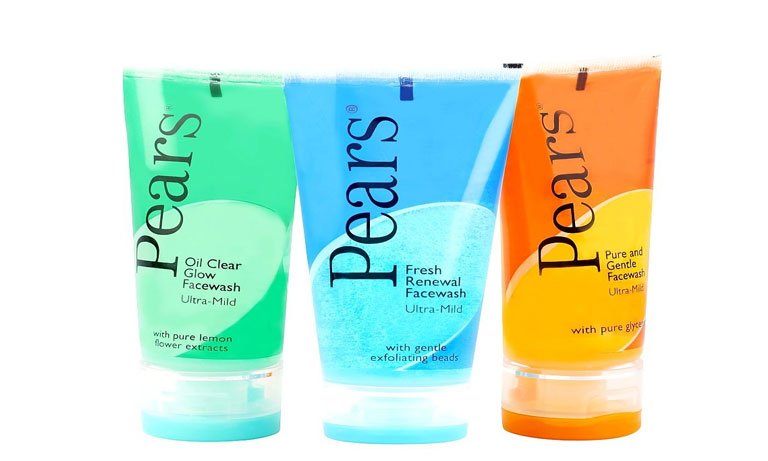
 

Don’t Let the Charm of Your Skin Fade Away

Don’t Let the Charm of Your Skin Fade Away

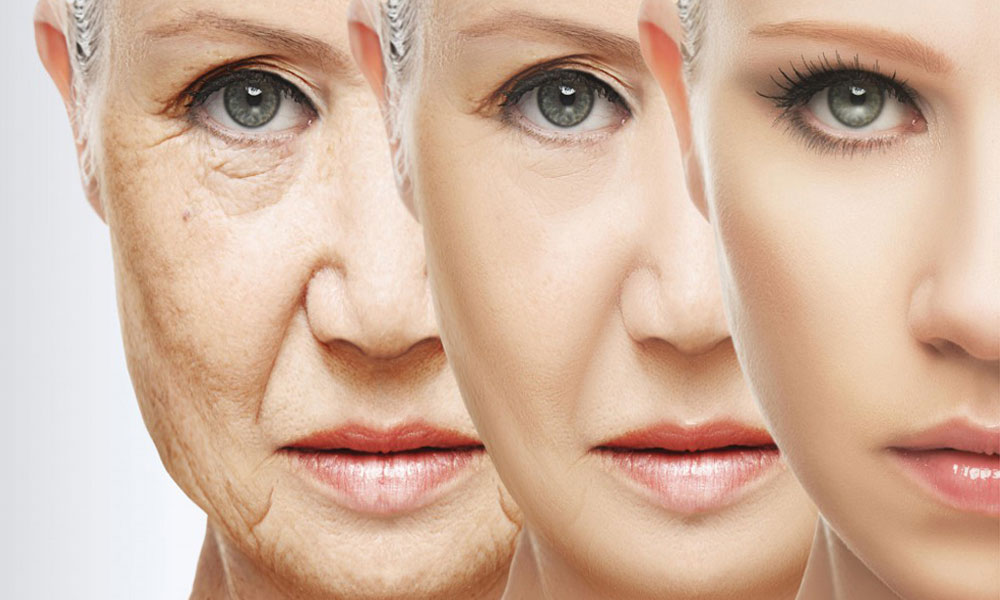
Aging is a natural phenomenon that is inevitable and it is difficult to reverse the damage that we have done to our skin. Aging can be of two different types, intrinsic and extrinsic. Intrinsic aging is related to age whereas, extrinsic aging is caused due to unfavourable environmental and unhealthy lifestyle. But as we said it is difficult, not impossible. Here are certain steps that you need to follow to regain that soft & supple glow of your skin.

  • Clean up before going to bed

It is always necessary to keep the skin in healthy & hygienic condition. So, to keep your skin away from unwanted bacteria, dirt and germs follow a cleanup routine. Remove the top layer of grime with a gentle face wash suitable for your skin type. Follow the proper routine of cleaning, toning, and moisturizing.

Clean up before going to bed

  • Uv protections

Believe us nothing is as important as wearing a sunscreen, every day even if you are indoors. Even few minutes of exposure to the sun can result in aging spots, wrinkles, freckles etc. If your moisturizer is not incorporated with broad-spectrum SPF 30, make sure you apply a generous amount of both UVA and UVB protection sunscreen.

Uv protections

  • Manage stress

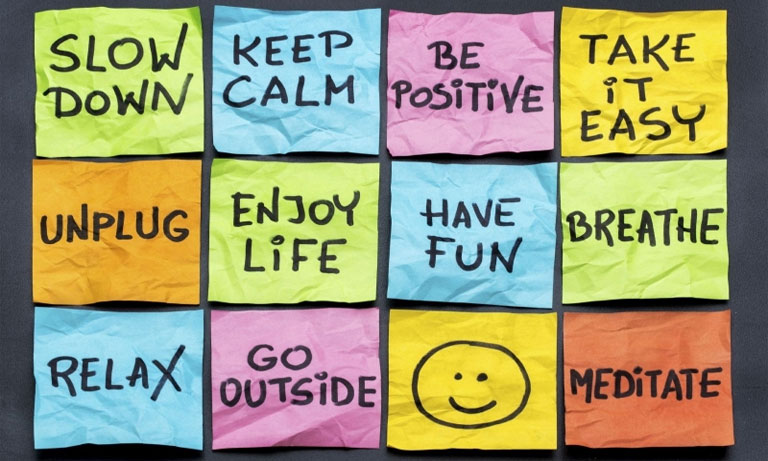
Sentimental upheavals can make you look 7 years older than what your chronological age is. If you feel stressed, indulge yourself in a breathing exercise.

Manage stress

  • Healthy Diet

A healthy diet is a secret magic potion for a healthy skin that transmogrifies dull and damaged skin into lighter brighter and radiant skin. Consume food items that are rich in proteins and omega 3 fatty acids.

Healthy Diet

  • Exercise daily

Physical exercise is not only beneficial for the betterment of the skin but also works towards amelioration of the overall health.  Exercise infuses an adequate amount of oxygen and nutrients into our skin that is required for collagen production. Involve at least 30 minutes workout in your daily routine and just observe the difference.

Exercise daily

Astonishing Facts About Caffeine

Astonishing Facts About Caffeine

We all love coffee. Few of us go for cold and few like it in hot form. Coffee, help us wake up in the morning, and apart from that it can be used for so many other options such as, for a short mid-morning break or while chatting with friends in the afternoon. Since caffeine is a stimulant, it’s consumption should be kept within safe levels. Safe amount of caffeine can vary considering person’s tolerance, age and health history weight etc. Health authorities established certain guidelines to give a brief about caffeine consumption.

  1. Healthy Adults: 300-400 mg a day
  2. Children (13-18): 100 mg per day
  3. Pregnant Women: Not more than 100-200 mg per day (after doctor’s consultation)

Here Are Few Other Facts About Caffeine That Not Many Us Know

  1. The effects of caffeine start within 15-20 minutes after the first sip.
  2. Caffeine and cocaine affects the brain in a similar way.
  3. One cup of coffee contains approx. 100 mg of caffeine.
  4. If someone drinks more than 50 cups of coffee within two hours, there are chances that the person would die.
  5. It is a fact that if painkillers are combined with caffeine the effects increase up to 40%.
  6. Daily caffeine consumption shouldn’t exceed 400 mg.
  7. Smokers metabolize caffeine up to 50% faster than non-smokers.
  8. Caffeine is processed faster in women than in men.
  9. Energy drinks have less caffeine than coffee.
  10. Caffeine is believed to Prevents Neurological disorders and treat some types of hyperactivity disorders.

Addiction of caffeine is not as intense as drug addictions. one may feel acute dependent or inclination towards caffeine and it can be dangerous to overdo it. A person can experiment and see how he feels with and without caffeine. Result of this experiment can be different. Few people do not feel anything when they consume caffeine and others don’t feel anything when they stop consuming it. People tend to experience withdrawal symptoms, for those who get these symptoms it is advised to slowly decrease the intake.

Morning Stiffness

5 Basic Ways to Manage Your Morning Stiffness

Is it difficult for you to get out of bed in the morning, because of too much pain? This is known as morning stiffness. Morning stiffness is a very common and prominent symptom of rheumatoid arthritis (RA). according to Rheumatologists, the morning stiffness that lasts for at least an hour is surely a great symptom of RA. Although the stiffness during Arthritis usually loosens and goes away, it can take some time to have complete relief. So, it is important to identify the treatment methods that are the most effective and comfortable for you.

  • Causes of Morning Stiffness:
  1. Lack of daily physical activity
  2. Being overweight
  3. Having a poor diet
  4. Not sleeping properly
  5. Being in an environment that tends to be cold and/or damp

Here Are Few Things You Can Do to Ease Morning Stiffness Gently.

  • Plan ahead

Before waking up or getting out of the bed, take anti-inflammatory or pain medications with plenty of water. Do this activity at least one hour before getting out of your bed.

  • Exercise in bed

Now that your pain medication is working, you can do some stretching gently or go for some range of motion exercises. It will help in losing your sleepy muscles and creaky joints.

  • Hit the showers

Warm shower bath is one of the best way to relieve morning stiffness because heat causes the blood to move to the surface of the skin. Try to stay in long enough to get warm.

  • Put the dryer to work

Before getting dressed for the day, put your clothes into the dryer. The warmness in your clothes will help you in loosening up of your stiff muscles.

  • Eat a good breakfast

A good breakfast acts like a fuel for your body. But, it is not necessary to eat heavy breakfast. If you are eating light but nutritious breakfast, it can help to ease morning stiffness.

Few Common Medication Mistakes

  • Taking Too Much

Overdose is very common case of medication fatalities. Also, the most common medication error. Prescription drugs that carries abuse potential are the most common culprits. For stance, prescription painkillers like: Percocet, stimulants such as Adderall and anti-anxiety medications like Xanax, a person should never take more medicine than the prescribed amount.

  • Confusing Medications with One Another

Few medicines have similar names that are easy to mix with one another. Few examples of such medicines are:

  1. Lamictal for epilepsy and Lamisil for fungal infection
  2. Zantac for heartburn and Zyrtec for allergies
  3. Celebrex for arthritis and Celexa for depression

Patients, majorly seniors with dementia, can even get confuse with pills when they look superficially similar. This is a common case where a pill-minder can be a great help.

  • Medicines Interacting with One Another

Few medicines are never meant to be mixed with other medications. This case is general with 30% of old persons taking five or more prescriptions at a time and receiving prescriptions from multiple specialists. For example, a patient could be prescribed an opiate painkiller from a general doctor but on the other hand, a sedating sleeping medicine from a sleep specialist. These both medicines would be safe only if taken individually at prescribed doses.

  • Food and Drug Interactions

While it is very normal to know that certain medications ought not be taken at the same time. They may need gap after meals and should not interact with food. For instance, many old aged people are on medications such as the anticoagulant Coumadin or blood thinning statins. These medicines can be ineffective if a patient eats food high in vitamin K, such as leafy green vegetables, Brussels sprouts and broccoli. One should always be mindful of directions and warnings on the labels of your prescription and from your pharmacist.

  • Wrong Route of Administration

The FDA report cited above indicated that 16% of medication errors involve using the wrong route of administration. This could involve swallowing a tablet that was intended to be taken without water and someone take it with liquid. Swallowing a liquid intended for injection or use as a nasal spray is another example.