Ailments in Pregnancy

Something Every Women Should Know, Ailments in Pregnancy

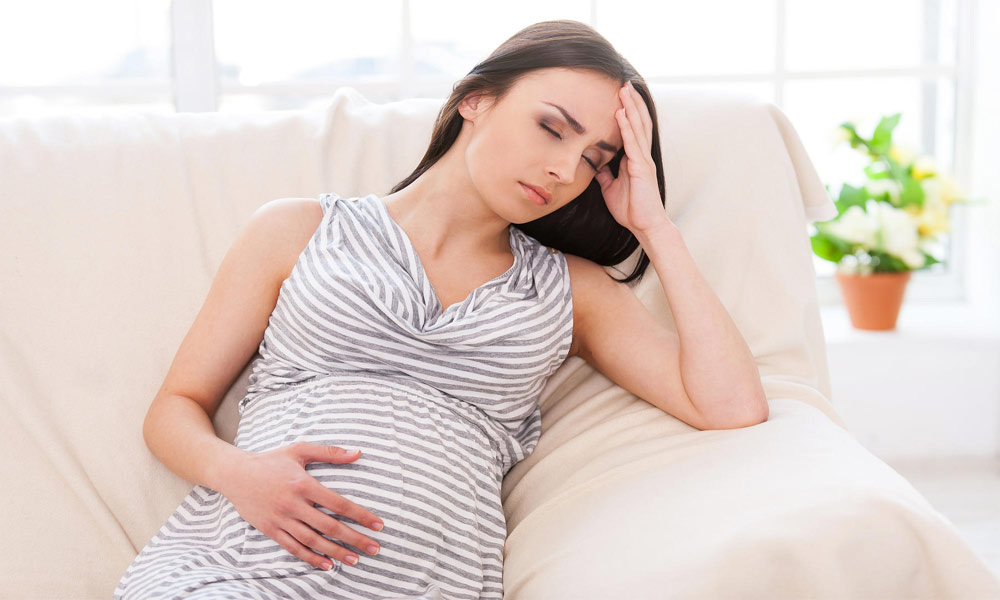
Pregnancy is a wonderful span in every woman’s life. It is initially the origin of another human life. Pregnancy is a period which goes through complete physical and hormonal changes and of emotional and psychological preparation for motherhood. Most of the women experience different ailments in pregnancy such as nausea, vomiting, back pain, frequent urination, heartburn, constipation leg cramps etc. that are spontaneously subside after delivery.

Below are given some Common Ailments in Pregnancy and Their causes:

During pregnancy, most of the women experience some common minor ailments which are mentioned in the below:

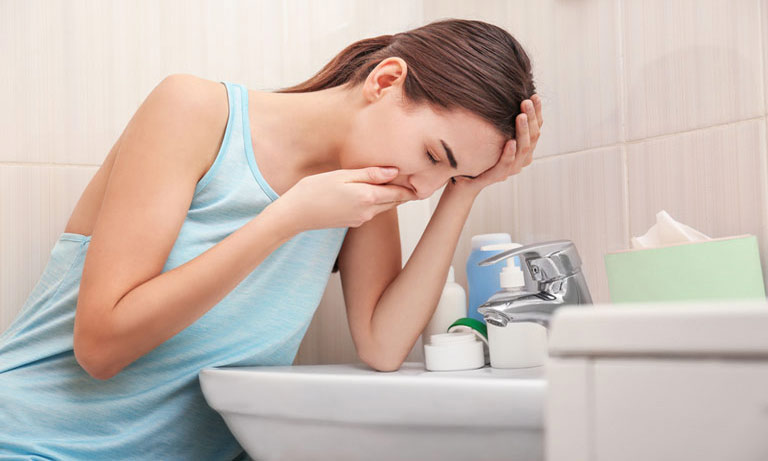
  • Nausea and Vomiting

Nausea and vomiting is basic to happen in the early weeks of pregnancy. It is majorly faced during the first pregnancy. They usually appear following the first or second missed period and subside by the end of 3 months.

Cause of Nausea and Vomiting:

  1. Exact cause is unknown,
  2. Increased of Human Chronic Gonadotrophin (HCG) and estrogen.
Nausea and Vomiting

  • Constipation

It is one of the common ailments of pregnancy.

Causes of Constipation:

  1. Progesterone hormones, which relaxes smooth muscle throughout the body, including the digestive tract.
  2. Growing uterus create pressure over rectum
Constipation

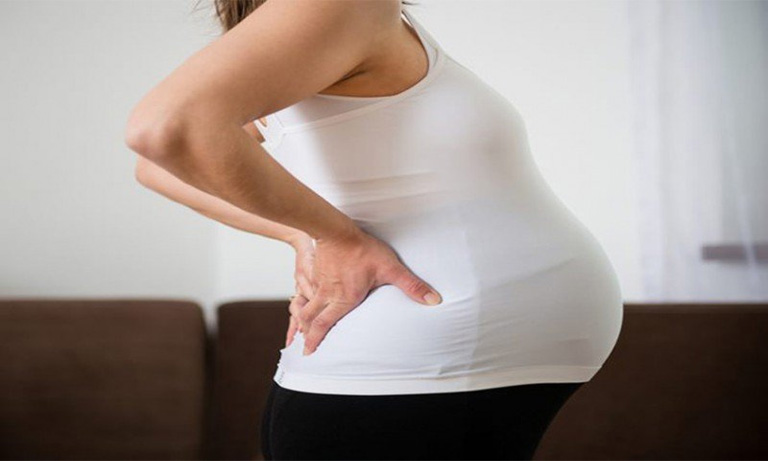
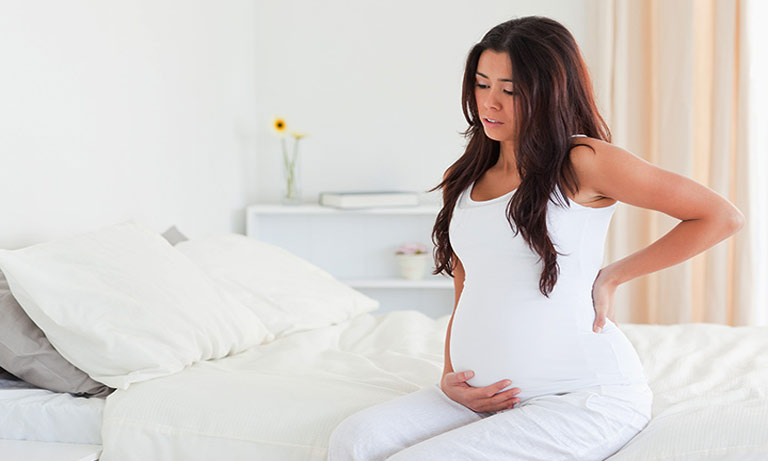
  • Back Ache

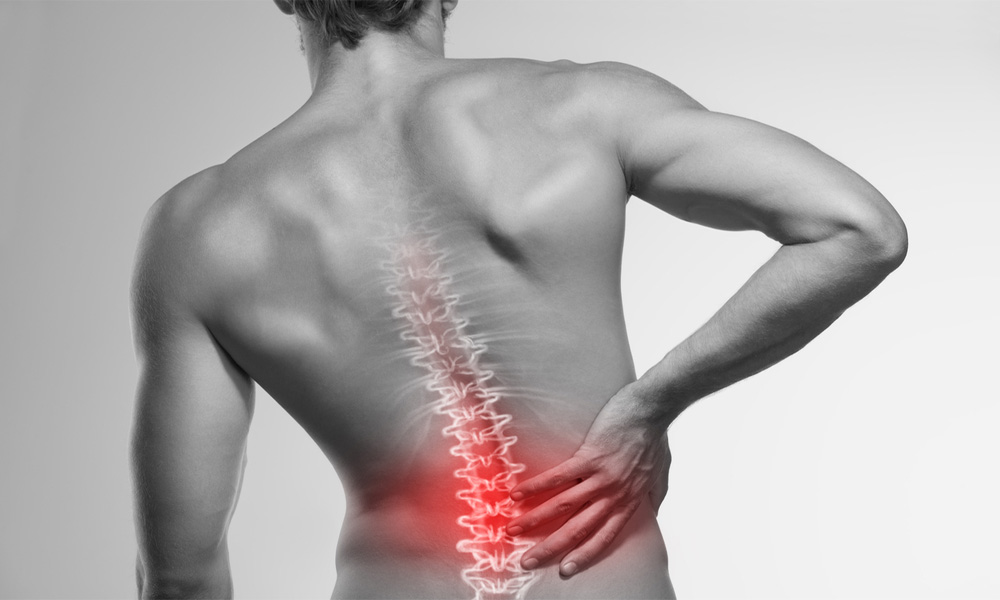
Back pain in pregnancy is something very common to happen. Between a half and three quarters of pregnant women have it at some stage.

Causes of Back Ache:

  1. During pregnancy some hormone allows pelvic joints and ligaments relax that cause back ache,
  2. Faulty posture,
  3. High heel shoes leading to increase in lumber Lordships,
  4. Urinary infection

Back Ache

  • Varicose Veins

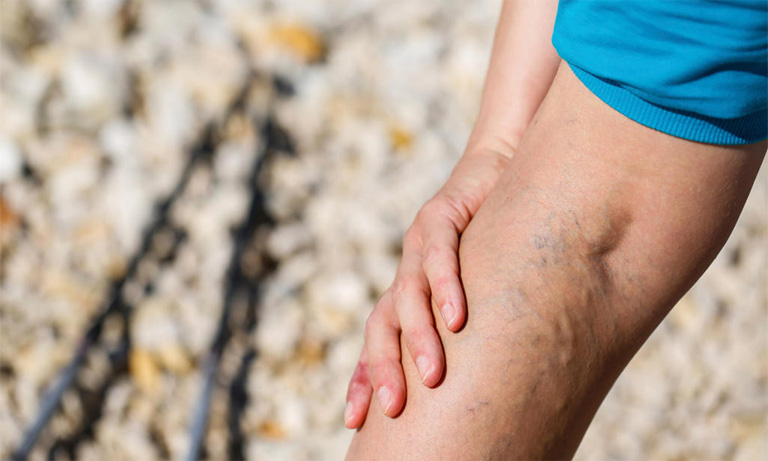
Varicose veins are swollen, bulging or blue veins near the surface of the skin. It can be sore to the touch, itchy and make legs feel tired and achy.

Causes of Varicose Veins:

  1. Pregnancy is one of the biggest accelerating factors in the formation of veins. During pregnancy, gradually blood volume increases, while the rate at which blood flows from your legs to pelvis decreases. This puts pressure on the veins, which can cause varicose veins.
Varicose Veins

  • Leg cramps

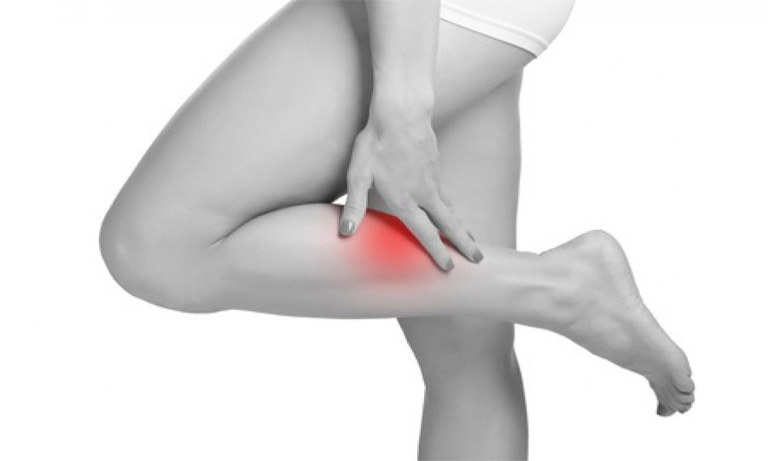
Also, Leg cramps during pregnancy is a normal phenomenon to be faced. Sharp and painful lower-leg cramps often crop up during the second and third trimesters.

Causes of Leg Cramps:

  1. It usually results from muscle tension.
  2. Sometimes severe vomiting can lead to low level of calcium and potassium in blood, resulting in cramps.
Leg cramps

back pain

What Is Back Pain? Causes, Symptoms and Remedies

Most of the people experience back pain at some point in their lives. This pain can vary from person to person according to their body structure from mild to severe. It can be short-lived or it also can be long-lasting pain. Moreover, lower back pain can make your everyday tasks difficult to do.

Back pain differs from person to person. The pain can have a slow onset or come on suddenly. Your back pain can be intermittent or constant. In most of the cases, back pain resolves on its own within a few weeks.


Common Causes of Back Pain:
  1.  Manual materials handling (especially lifting)
  2. Twisting of the trunk
  3. Bending the trunk forward
  4. Bending the trunk to the side
  5. Excessive reaching
  6. Falls
  7. Prolonged sitting
  8. Sedentary jobs
  9. Highly physical jobs
  10. Exposure to whole-body vibration
  11. Cigarette smoking
  12. Obesity
  13. Extreme tallness


Few Symptoms of back pain:

Symptoms of Back pain always varies. It may be sharp, stabbing, acute, intense. It can be dull, achy, or feel like a “charley horse” type cramp. The type of pain you are suffering from will depend on the underlying cause of your back pain.


People with Low Back Pain May Experience Some of The Following:
  1. Back pain may be worse with bending and lifting.
  2. Sitting may worsen pain.
  3. Standing and walking may worsen pain
  4. Back pain comes and goes, and often follows an up and down course with good days and bad days.
  5. Pain may extend from the back into the buttock or outer hip area, but not down the leg.
  6. Sciatica is common with a herniated disk. This includes buttock and leg pain, and even numbness, tingling or weakness that goes down to the foot. It is possible to have sciatica without back pain.


Few Easy Homemade Remedies for Back Pain :

People usually ask that Is back pain curable? Yes Definitely, there are many remedies to cure it. We should always prefer natural cures for back pain problem before choosing medicines or opting surgery.

Here Are Some Home Treatments for Back Pain:
  • Do not bend, lift your back or sit in a soft, low chair; the pain will get worse.
  • Try a cold pack to see if it helps the pain. If cold pack is not available, you can even use a large bag of frozen vegetables; it makes a good first aidcold pack.
  • Or just prefer a massage at the sore areas in a triangular pattern with an ice cube. The person should move the ice cube if the skin gets too cold (this may melt several ice cubes).
  • After the cold massages, try using up with heat from an electric heating pad to see if it helps the pain. (Do not sleep with a heating pad on the back. It could cause a bad burn.)
  • In case an electric heating pad is not available to you, dip a hand towel in hot water, wring it out, and place it on the back.
  • Physical exercise is another best treatment to get rid of the sciatica pain. Here are some exercises that will surely help you to control your pain.
Sore Throat

General Things to Know About Sore Throat

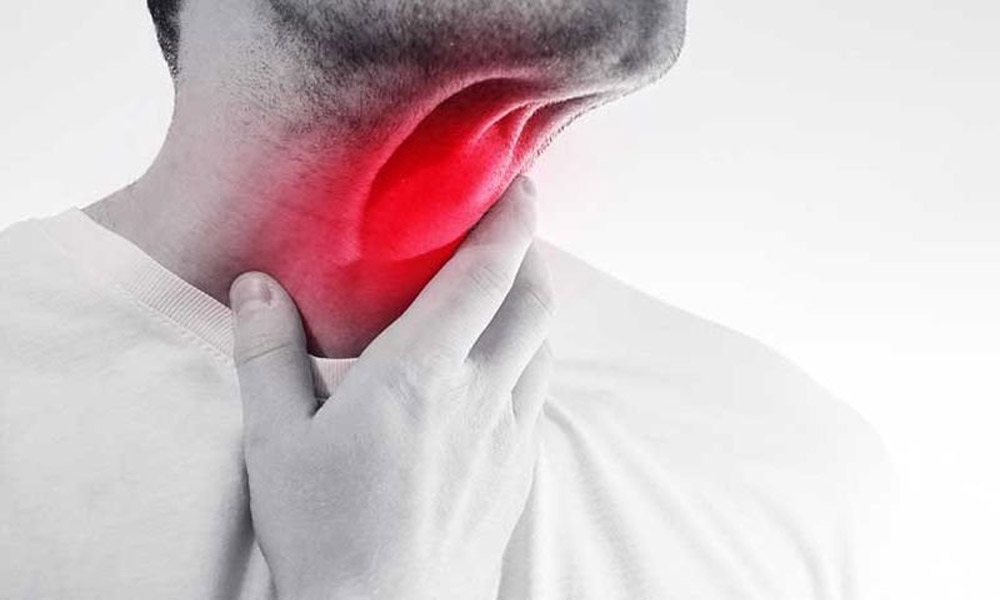
A Sore Throat is normally a symptom of a viral or occasionally bacterial infection. It can be caused by the viruses responsible for colds and flu-like illnesses. Antibiotics cannot be used to treat a virus.

Sometimes a sore throat is caused by the bacteria Streptococcus pyogenes. This is sometimes called a ‘strep’ throat. Your body will normally fight off the infection within a week without the need for medical treatment. But if the sore throat is caused by bacteria, you may benefit from antibiotics.

Few Common causes of a sore throat

A sore throat is often a symptom of:

  1. Coldsor flu: you may also have a blocked or runny nose, a cough, a high temperature (fever), a headache and general aches
  2. Laryngitis: you may also have a hoarse voice, a dry cough and a constant need to clear your throat
  3. Tonsillitis: you may also have red or spotty tonsils, discomfort when swallowing and a fever
  4. Strep throat: you may also have swollen glands in your neck, discomfort when swallowing and tonsillitis.
Treatments for a sore throat

The following measures can often help soothe a sore throat:

  1. Take ibuprofenor paracetamol – paracetamol is better for children and for people who can’t take ibuprofen (note that children under 16 should never take aspirin)
  2. One must drink plenty of fluids, and avoid hot drinks like tea or coffee
  3. Eat cool, soft foods
  4. Avoid smoking and smoky places
  5. Gargle with a homemade mouthwash of warm, salty water
Home remedies for sore throat
  • Gargle with warm salt water to help reduce swelling and relieve discomfort: Gargle at least once each hour with 1 tsp (5 g) of salt dissolved in 8 fl oz (240 mL) of warm water.
  • Prevent dehydration. Fluids can greatly help in thinning of secretions and soothe the throat. Hot fluids, such as tea, hot coffee or soup, may help decrease throat irritation.
  • Lemon- You can use fresh lemons to get relief from a sore throat as they help remove mucus. Lemons are known as best home treatment for sore throat. Try hot lemonade with honey. Also, you can try a mixture of half lemon and one teaspoon of honey in one cup of warm water. And Sip it slowly.
  • Apple cider vinegar is also helpful in treating a sore throat due to its antibacterial properties. you can simply add one tablespoon of apple cider vinegar with one teaspoon of lemon juice and some honey to a cup of warm water and drink it slowly. You can even create gargle solution with ACV, by mixing one teaspoon of salt and one tablespoon of apple cider vinegar in one cup of warm water. Gargle with it several times a day.
hypertension

Get an Answer to Your Question “What Is Hypertension?”

When blood pumps from the heart into the arteries with a force, it is called blood pressure. It is a serious health problem that can lead to heart attacks, strokes and kidney failure. You can treat and reduce the effects of blood pressure at home with natural home remedies. Blood pressure is known by another term “Hypertension”. This ailment is considered as one of the most common health concern. With a little bit of lifestyle adjustments and prescription medication, you can easily treat hypertension. High blood pressure can cause damage to your arteries and blood vessels.

Symptoms of hypertension includes:
  1. Headaches
  2. Shortness of breath
  3. Nosebleeds
  4. Dizziness
  5. Chest pain
  6. Visual changes
  7. Blood in the urine
People prone to this ailment involves:
  1. Being overweight or obese is a key risk factor.
  2. Consuming large amounts of alcohol regularly can increase a person’s blood pressure, as can smoking tobacco.
  3. Common in people aged over 60 years.
  4. People suffering from cardiovascular disease, diabetes, chronic kidney disease, and high cholesterol levels.
  5. The lifetime risk is the same for males and females, but men are more prone at a younger age.
How to diagnose hypertension?

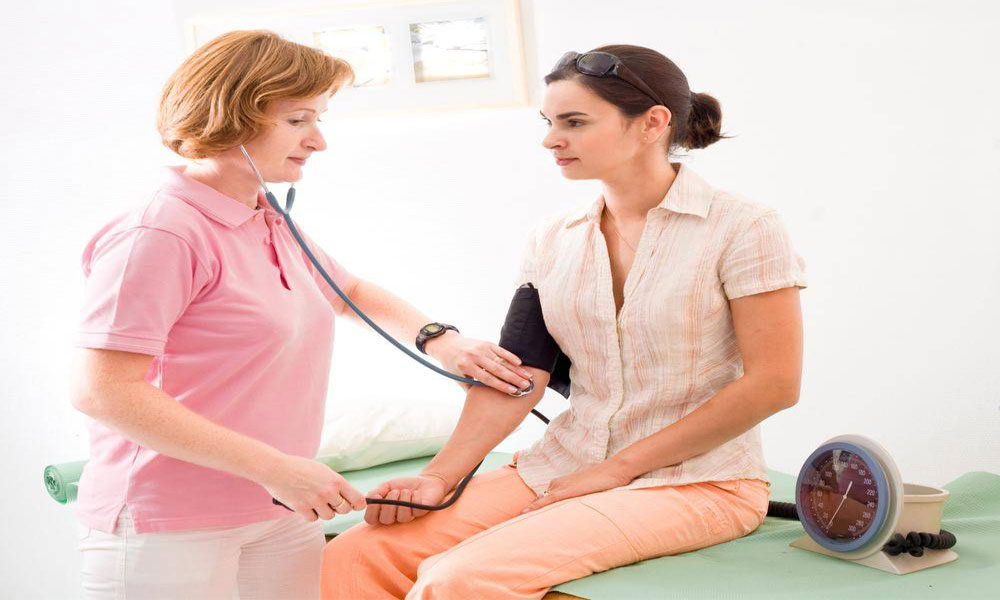
Most doctors check blood pressure as part of a routine visit. In some cases, your doctor may recommend you monitor the readings for a few days or week. You can even buy a blood pressure machine to monitor your levels and check it at the comfort of your home.

TIP: blood pressure levels change throughout the day and ask your doctor for healthy ranges if you’re monitoring your blood pressure at home.

How to prevent Hypertension?

Few positive changes in the lifestyle can ensure that your levels remain normal. These lifestyle changes include a heart-healthy diet, exercising regularly, avoid smoking and maintain a healthy weight.

Kidney ailments and symptoms

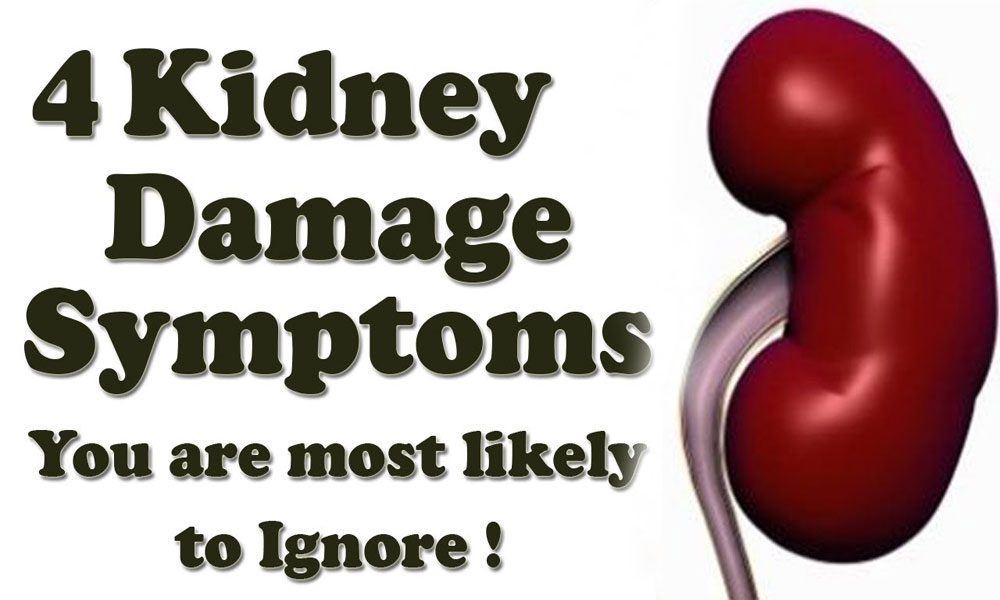
4 Kidney Damage Symptoms

Your kidneys filter your blood by removing toxins from your body and send toxins to your bladder. This way, your body later removes toxins through urination process. Most of the people lose 90% of their functioning ability of the kidney before getting any symptoms. If these symptoms are related to kidney disease they may gradually worsen as kidney function declines. High levels of protein in your urine suggest that you are suffering from kidney disease. People suffering with kidney disease tend not to experience symptoms until the very late stages. So, it is important to know the symptoms and signs related to kidney diseases.

  • Fatigue Being Tired All The Time

Healthy kidneys make a hormone that tells your body to make oxygen-carrying red blood cells. As the kidneys fail, they make less of this hormone. With fewer red blood cells to carry oxygen, your muscles and brain get tired very quickly. It is due to a build-up of wastes or shortage of red blood cells that can cause these problems when the kidneys begin to fail and can cause people to feel tired, weak and can make it hard to concentrate.

  • Urinating More Often

Kidneys make urine, so when the kidneys are failing, the urine may change. Either you may urinate more, or in greater amounts or you may feel pressure during urinating. Changes in urination including making urine than usual. In some cases, you can spot changes in the color of urine, foamy or bubbly urine, or having to get up at night to urinate.

  • Swelling in Hands or Feet

Decreased kidney function can lead to sodium retention, causing swelling of the feet, ankles, hands, or face due to fluid the kidneys can’t remove which may stay in the tissues. Failing kidneys don’t remove extra fluid, which causes swelling in the legs, ankles, feet, and/or hands.

  • Shortness of Breath

Extra fluid in the body can build up in the lungs. Kidney failure is confused with asthma or heart failure sometimes. Symptoms of kidney failure that can be caused by a build-up of fluid in the body include swelling in the face, feet or hands or shortness of breath from fluid in the lungs.