Fatty Liver

Follow This Diet to Relieve Your Fatty Liver Disease

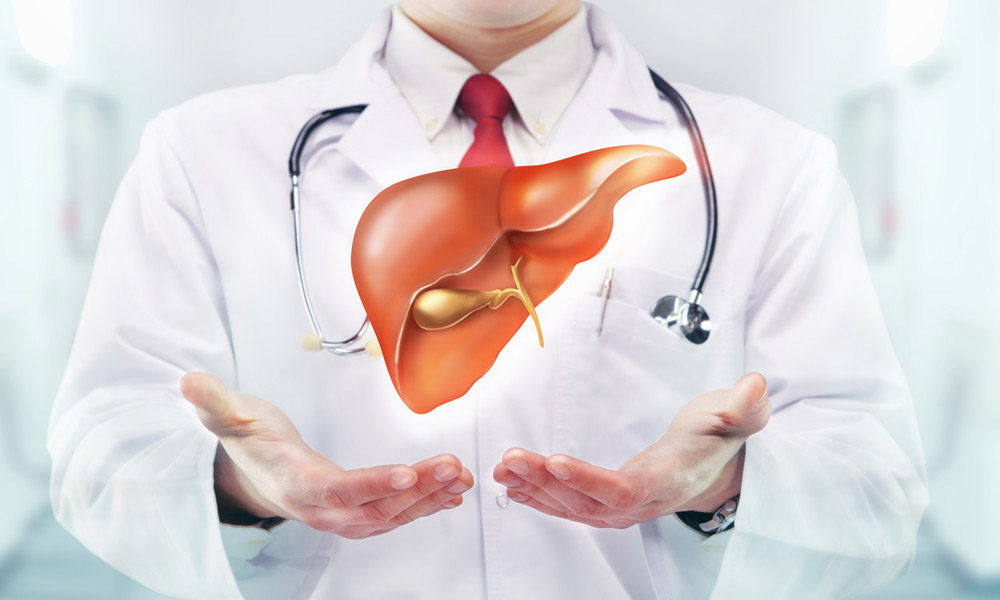
As the name suggests, Fatty liver disease is a condition which is caused by excessive fat within liver cells. This leads to an overgrown liver and pain on the upper, right-side abdominal area. It is seen that fatty liver disease can be reduced only with the help of a healthy diet. When a proper diet for fatty liver is followed, changes like reduced liver fat, minimized liver damage, improved function of insulin and weight loss can be seen.

Things to include in your diet during fatty liver disease are:

  • Fruits and Vegetables

Providing an array of valuable nutrients including vitamins, minerals and antioxidants that strengthen the body’s immune system, fruits and vegetables that fend off the infection and disease. High in nutrients yet low in calories, these characteristics that also help in supporting healthy weight management. Fruits and Vegetables are great antioxidants that fight oxidative stress. They have been proven to reduce lower excess fat levels.

Fruits and Vegetables

  • Unsaturated Fats

Nuts, seeds and vegetable oils are considered as unsaturated fats. When these are consumed in appropriate amount, they promote positive heart health, brain function and overall physical wellness. Whereas, saturated fats are commonly found in deep-fried foods like red meat and high-fat dairy products. This increases the risk for many diseases and may be harmful to those with fatty liver disease.
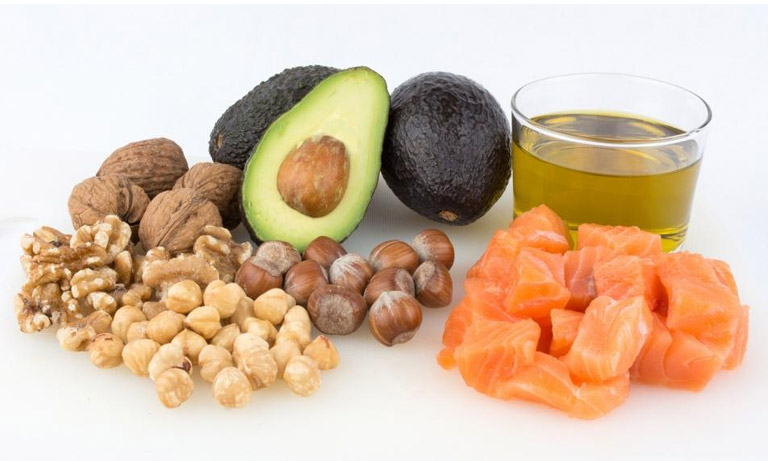
Unsaturated Fats

  • Whole Grains

Consuming whole grains like vitamins, minerals, antioxidants and dietary fiber is most commonly associated with reducing the risk of diabetes, heart diseases and other serious conditions. When valuable whole grains like oats, bulgur, spelt, barley, brown or wild rice and rye are incorporated in the routine diet, you can reap most nutritional benefits if you suffer from fatty liver disease.

Whole Grains

Most of the food do promote liver health but it is true that some of the foods also work against it.

  1. Sugar
  2. Fructose
  3. Simple carbohydrates
  4. Trans and saturated fats
  5. Meat

Food Poisoning: Symptoms and Remedies

Sometimes it’s the gluttony that can lead you to get sick by eating your favorite food. We often have an urge to feast on street food – be it chole bhature, Tikki or bhalle papdi but we ignore the unwanted consequences that it would bring. Food poisoning is a result of unhygienic handling of food which leads to breeding of harmful bacteria. Food poisoning cases are demonstrated by symptoms like abdominal pain and fever.

Symptoms of food poisoning cannot get undetected but can vary depending on the source of the infection. Common causes of food poisoning will typically include following symptoms:

  1. Abdominal cramps
  2. Diarrhea
  3. Vomiting
  4. loss of appetite
  5. Fever
  6. Weakness
  7. Nausea

Symptoms that can get Potentially life-Threatening Are:

  • Diarrhea persisting for more than three days
  • Fever higher than 101.5°F
  • Difficulty in seeing or speaking
  • Bloody urine


If you undergo any of the symptoms mentioned above it is advised to see your doctor immediately, and besides that try effective home remedies with good outcomes, as adjuncts.

  • Ginger

To use ginger as a home remedy, make some ginger tea by boiling one teaspoon grated ginger with a cup of water for a few minutes, add a little sugar or honey to it for sweetness. Drink this tea twice a day.

  • Lemon

The acid present in lemon kill bacteria and other harmful microbes. Add honey to one teaspoon of lemon juice and drink it two to three times a day.

  • Basil

Extract juice from some basil leaves and mix it with one tablespoon of honey and drink it several times a day.

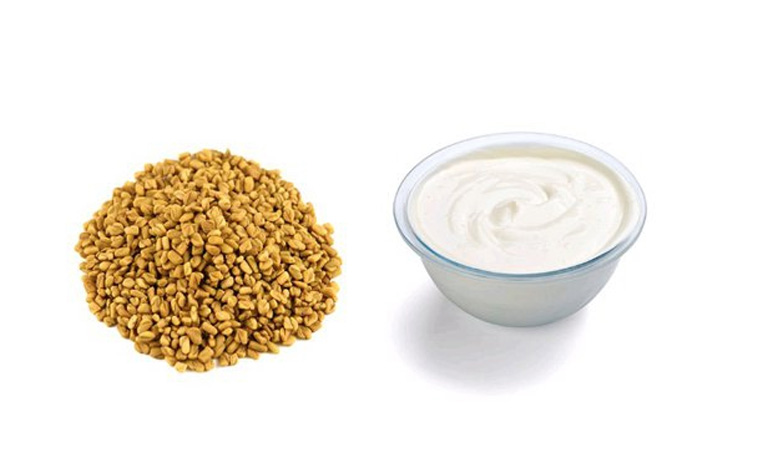
Fenugreek and curd

Combine one teaspoon fenugreek seeds along with a tablespoon of yogurt. Consuming this will give you an immediate relief from upset stomach pain and vomiting.

Things One Should Know About FITS

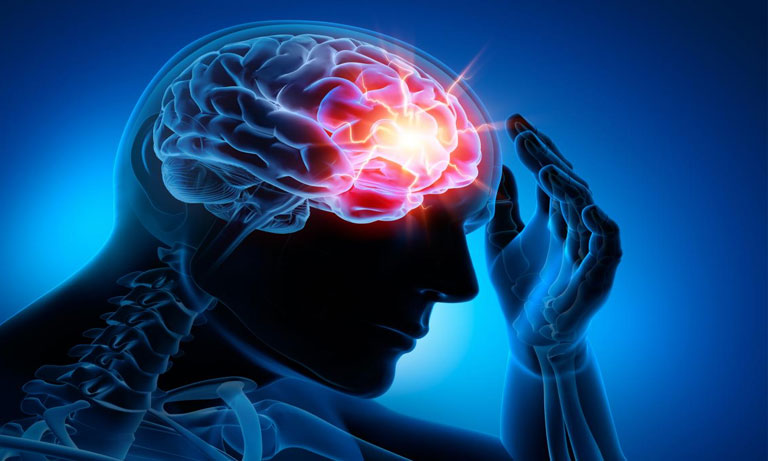
Fits disease is medically known as epilepsy. It is a condition occurring due to the generation of abnormal electrical impulses in the brain. Epilepsy is a central nervous system (neurological) disorder in which brain activity becomes abnormal, causing seizures or periods of unusual behavior, sensations, and sometimes loss of awareness.

Anyone can develop epilepsy of any age group.

Seizure symptoms can vary widely.


What Are the Actual Causes of Epilepsy?

Causes of fits varies from age to age and from person to the person. Some people with no clear cause of epilepsy may have a genetic cause. But what’s true for every age is that the cause is unknown for about half of everyone with epilepsy.

  • Some people with no known cause of epilepsy may have a genetic form of epilepsy. The link between genes and seizures can be very complex.
  • About 3 out of 10 people have a change in the structure of their brains that causes the electrical storms of seizures.
  • Some young children may be born with a structural change in an area of the brain that gives rise to seizures.
  • About 3 out of 10 children with autism spectrum disordermay also have seizures. The exact cause and relationship is still not clear.
  • In middle age, strokes, tumors and injuries are more frequent.
  • In people over 65, stroke is the most common cause of new onset seizures.

Symptoms of Seizures

Symptoms of seizures varies widely and completely depending on the part of the brain affected by the electrical misfiring. In cases, you could hallucinate or convulsions, or you could lose consciousness.

  • Generalized tonic-clonic: This is sometimes preceded by an aura – awareness of a strange odor, taste, or vision. You might lose consciousness and fall, and experience muscle rigidity (stiffness) or convulsions (jerking movements of the arms and legs). a person may also lose bladder control or bite your tongue.
  • Generalized absence: This involves loss of awareness and blank stares or eyelid fluttering for up to 20 seconds.
  • Simple partial: Although you don’t lose consciousness, you have involuntary movements, sensations, or psychic experiences such as awareness of a smell or a sense of déjà vu lasting several seconds.
  • Complex partial: Initial disorientation is followed by strange movements of the arms or legs or odd vocalizations for one to three minutes, as well as loss of consciousness.
  • Jacksonian: Muscle twitching begins in a single area and then progresses, for example, from the hand to the arm.

Treatments for FITS

There is currently no cure for most types of epilepsy. However, surgery can be the last option to stop some kinds of seizure, and in many cases, the condition can be managed.

If an underlying reversible brain condition is causing seizures, then surgery can stop those. If epilepsy is diagnosed, the doctor will prescribe seizure-preventing drugs or anti-epileptic drugs.

If medicines do not work, then the other option could be surgery, a special diet or vagus nerve stimulation.

In this condition doctor’s aims at preventing further seizures from occurring, while at the same time avoiding side effects so that the patient can lead a normal, active, and productive life.

Anti-epileptic drugs (AEDs)

The majority of AEDs are taken orally but it also depends on the type of seizure the patient has. Type of seizure will decide which drug the doctor may prescribe. Patients do not all react in the same way to drugs, but AEDs appear to help control seizures in 70 percent of cases.

Drugs commonly used to treat epilepsy include:

  • sodium valproate
  • carbamazepine
  • lamotrigine
  • levetiracetam

Few drugs are only suitable to some people facing seizures. Even when the right drug is found, it can take some time to find the ideal dose.

Weight Gain

5 Ailments That Cause Weight Gain

If the needle on your bathroom is perpetually creeping upward, the first thought you will probably get is that junk that you have been gulping down is the reason for the weight gain. But while the usual culprits—too much food, too little exercise are prominently responsible for the weight gain then on another hand there are some surprisingly common medical conditions and widely used prescriptions that can add a lot of difference. These are 5 ailments that cause weight gain.

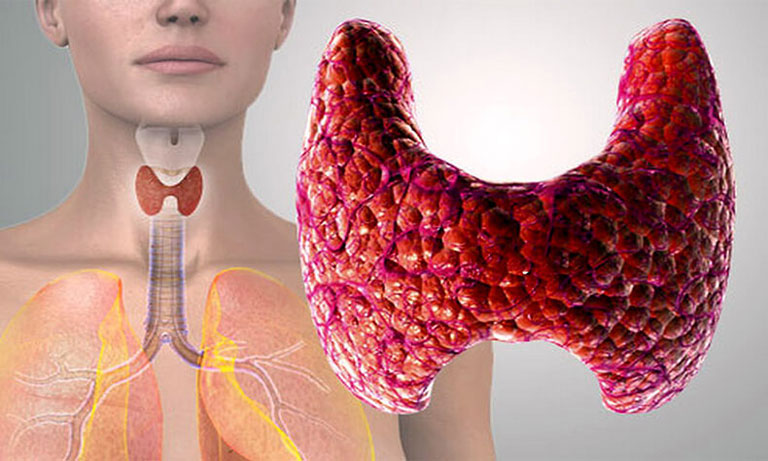
  • Under-Active Thyroid

An under active thyroid condition occurs when the thyroid gland fails to produce sufficient amounts of the thyroid hormones that regulate body’s metabolism. A lack of these thyroid hormones results in weaker metabolism, causing symptoms such as weight gain, tiredness, depression, poor concentration etc. Although an under active thyroid can occur at any age and in either of sex, it is most common in older women. The condition can be treated with daily hormone-replacement tablets.

Under-Active Thyroid

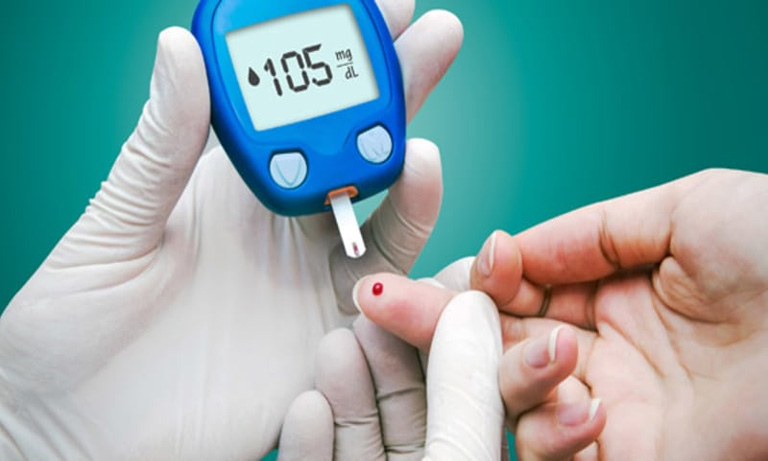
  • Diabetes

Weight gain is a most common adverse effect that people who take insulin to manage their diabetes face. Insulin helps in helps to curb blood sugar level. In some cases, diabetic patients tend to eat more to prevent low blood sugar, also known as a “hypo” or hypoglycemia.Excessive intake of food or overeating to prevent a hypo which contributes to extra calorie intake and overall weight gain.

Diabetes

  • Steroid Treatment

Steroids, also known as corticosteroids, are used to treat a variety of conditions, such as asthma and arthritis.  Use of corticosteroid tablets enhances appetite in some people, leading to weight gain. Steroids make you feel hungry, affecting the areas of the brain that control feelings of hunger thus the more steroid you intake you are likely to put on more weight. It’s better to be extra careful about what you eat during your steroid course being extra careful will help in the prevention of overeating.

Steroid Treatment

  • PCOS (Poly-Cystic Ovarian Syndrome)

PCOS Symptoms can include irregular periods, trouble getting pregnant, excess hair and weight gain. The cause for PCOS is unknown, but it’s thought to be hormone-related, including too much insulin and testosterone. Women agonizing with PCOS put on weight around their waist. Weight loss through dietary changes and exercise can bring some relief.

PCOS (Poly-Cystic Ovarian Syndrome)

  • Cushing’s Syndrome

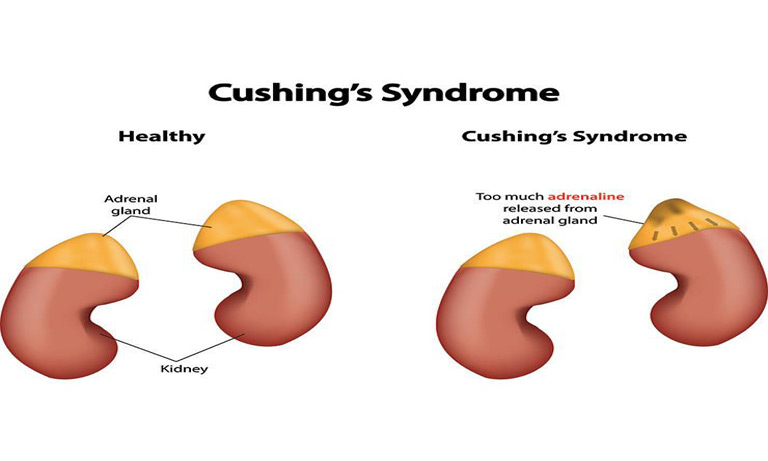
Cushing’s syndrome is very rare and is caused by high levels of the hormone cortisol. Weight gain in this health conditions is a common symptom, particularly on the chest, face, and stomach. Cushing’s syndrome is generally caused by long-term steroid treatment depending on the cause, treatment of Cushing’s syndrome involves either reducing or withdrawing the use of steroids.

Cushing’s Syndrome

skin allergies

Relieve your Skin Allergies at Home

Skin allergies occur when something touches your skin. It makes your immune system thinks that it is under attack. This is the reason that antibodies are sent to help fight the invader, called an allergen. The various skin allergies include immune system disorders, medications and infections. These skin allergies include bumps, itching, redness and other skin conditions which may not be easily identifiable. It is more like a reaction that appears when the skin meets an irritant or an allergen. Infections that cause rashes may be fungal, bacterial, parasitic, or viral.

Comfort your skin allergies by:

  • Avoid Contact: It might sound obvious, but it’s worth a reminder. Try not to use or touch what triggers your allergy.
  • Chill Out: A cool compress or shower can help calm a fiery rash. Gently pat dry and then moisturize.
  • Try a Damp Dressing: First find a soft cotton piece of clothing, like a long-sleeve T-shirt or long underwear. Soak it in water, wring it out, and then put it on. Try to wear something that’s not too tight and something over it that’s snug.
  • Go Baggy: Don’t wear tight clothes. They can irritate your rash. Play it loose and cool.
  • Add Anti-Itch Cream: Over-the-counter hydrocortisone or calamine lotion may relieve itching.
  • Soak It: Colloidal oatmeal is oatmeal ground to a powder, so it mixes well with water. In some cases, it can even calm the inflamed skin for few people. But some of the peoples can have reactions to it as well. To try it, use lukewarm water. If it’s too hot, it can irritate and dry your skin.

If your skin allergy symptoms don’t reduce on its own. It is recommended to get it checked from a certified doctor. There are strong chances that your skin problem might get better with the above-mentioned home treatment because if these problems are not treated on time, they could be a sign of a serious medical condition. You can relieve your symptoms with the help of a physician who have specialized training and expertise to accurately diagnose the condition.