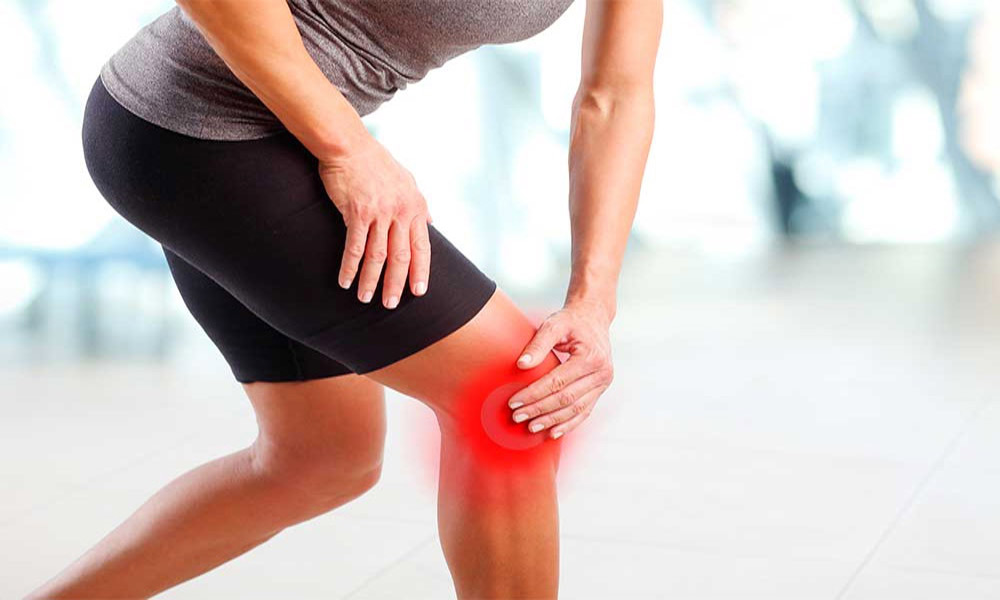
Are you looking for an answer to ‘What is Knee Pain’? Go on, read this article!

A common problem that can originate in any of the bony structures compromising the knee joint is known as Knee pain. It is a complaint that affects people of almost all ages and can be a symptom of many different knee conditions or injuries. Knee pain can be bothered by exercising and can thus affect the surrounding muscles and their movements. If you suffer from Knee pain and looking for an answer to your question ‘What is Knee Pain?’, then this is a must read article for you. There are many types of Knee Pain. Bilateral and Anterior Knee Pain are two most commonly experienced among different types of knee pains.

What is Bilateral knee pain?

This kind of pain tends to develop over time as your knee joints are subjected to wear and tear. The wear and tear of your knee joints results from repetitive motions, overuse and being overweight.

What is Anterior Knee Pain?

The pain that occurs in the anterior and central aspect of the knee is known as Anterior knee pain. It is also known by the name of front knee pain because it occurs at the front and center of the knee. This kind of pains begins when the kneecap does not move properly and is more common in people who are overweight, have had a dislocation, fracture, or other injury to the kneecap.

The cause of your knee pain can determine the symptoms you experience. Each person experience different levels of chronic knee pain. Knee pain can be divided into three major categories:

  1. Acute injury: such as a broken bone, torn ligament, or any tear
  2. Medical conditions: arthritis, infections
  3. Chronic use/overuse conditions: osteoarthritis, tendinitis, and bursitis

Causes of Knee Pain

  • Fractures

Knee fractures are not only painful but will also interfere with the proper functioning of the knee. They even make it very painful to bear the body weight.

  • Ligament injuries

This kind of injuries usually is sports related which mostly happens due to a sudden stop and change in directions.

  • Dislocation

Sometimes knee joint can be dislocated and in that condition, it requires immediate attention. It is a medical emergency when the knee dislocation can compromise blood flow to the leg.

  • Patellar tendinitis

Irritation and inflammation of one or more tendons is called Tendinitis which are thick, fibrous tissues that attach muscles to bones

  • Arthritis

The wear-and-tear condition that occurs when the cartilage in your knee deteriorates with use and age.

What causes knee pain and swelling?

Some common symptoms of knee pain an individual might experience are:

  1. Constant ache
  2. Locking of the knee
  3. Difficulty walking due to instability of the knee
  4. Redness and swelling
  5. Sharp, shooting pain when in use
  6. Inability to extend the knee
  7. Dull burning discomfort
  8. Shifting weight to the opposite knee

Prevent knee pain by doing certain exercises which will help in strengthening the leg muscles and help in preventing injury. In addition to this, proper nutrition, is also important for maintaining knee health.
What is High Blood Pressure and How to Control it

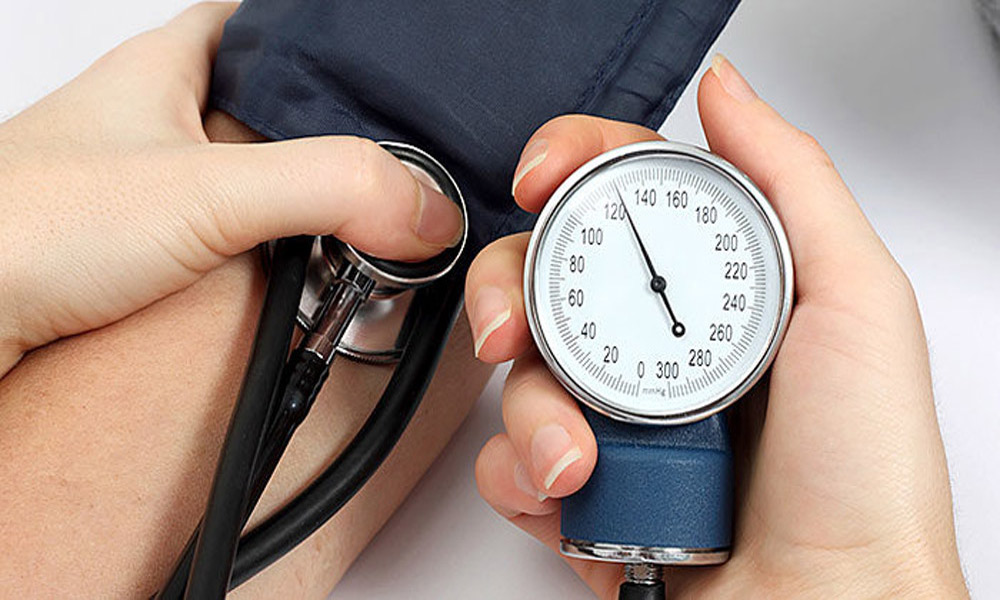
We all are aware of the fact that how important it is to understand blood pressure and maintaining healthy readings of the body for better health and longevity. Ideally blood pressure should be below 120 and over 80. People wishing a healthy life have to maintain blood pressure between the given range. Let’s see in brief what is high blood pressure and how to control it naturally. Blood pressure technically is the amount of force exerted by blood flow against the walls of the arteries.
High blood pressure is also known as hypertension.

What is high BP for Pregnancy?

Hypertension is very common nowadays and affects around 15 to 20% of pregnancy cases. There are different types of high BP issues in pregnancy, which includes chronic hypertension, gestational hypertension and pre-eclempsia.

For each of these different types of hypertension, there are three levels:

  • Mild hypertension that is blood pressure between 140/90 and 149/99 mm Hg –
  • Moderate hypertension refers to a blood pressure between 150/100 and 159/109 mm Hg
  • Severe hypertension refers to a blood pressure of 160/110 or higher

What Causes High BP (Hypertension)

In order to know what is high bp and how to control it, it is extremely necessary to know the causative reasons of hypertensions. Many people spend a lot of time in figuring out what is high blood pressure a sign of? Here are few reasons which can give a push to high BP.

  • Smoking
  • Obesity
  • Inadequate
  • Excess consumption of salt
  • Too much alcohol consumption
  • Over-Stress
  • Genetics
  • Hereditary high blood pressure
  • kidney diseases
  • Thyroid disorders
  • Sleep apnea

Symptoms of High BP

There are usually no warning signs, so you can have it and still be oblivious about it. But severe headache, rise in body temperature and dizziness can indicate high blood pressure.

Treatment for High Blood Pressure

It is a fact that allopathic medications have side effects if taken for long period of time, thus it is better to treat hypertension naturally at home.

1) Increase physical activity

Sedentary life style can cause lots ot diseases and high blood pressure is one of those such diseases. Increases level of physical activities go for brisk walks, walk instead of taking rikshaws, climb stairs.

2) Shed extra kilos

If you are over weight try to shed atleast 10 to 15 pounds in order to keep blood pressure in check.

3) Cut down sodium

Eating excess salt can be really harmful for the body. Cut down sodium content in food as it enhances blood pressure. Instead double the content of potassium rich food. Such as fish, fruits, vegetables etc.

4) Say no to processed food

Food labeled as “low fat” is high in salt and sugar to compensate for low fat. Consuming salt and sugar for high BP pateint is like consuming slow poison.

5) Meditation and yoga

Meditation controls stress and blood pressure. As stress is one of the prominent cause for hypertension.

Along with this take proper rest and eat high protien food. Make sure to reduce the consumption of alcohol, instead opt for blood pressure lowering supplements.Hopefully this article has helped you in clearing all your doubts for what is high bp and how to control it.

Here’s the Best Solution to Your Question ‘What is Piles’?

Piles are hemorrhoids that become inflamed. These are clumps, masses, cushions of tissue in the anal canal – full of blood vessels, support tissue, muscle and elastic fibers. People usually ask ‘what is piles’? so for that matter, let us go a bit more detailed about what is piles.

Although piles and hemorrhoids are; unpleasant inflammations, we all have them. It is when the hemorrhoidal cushions become too big that create problems- this occurrence is called piles or pathological hemorrhoids.

What is piles disease symptoms and treatment

Some common piles disease symptoms that are an essential to know for those are seeking about what is piles.

  • A stiff lump may be felt around the anus.
  • After going to the toilet, a feeling that the bowels are still full
  • Bright red blood after a bowel movement
  • Itchiness around the anus
  • Mucus discharge when emptying the bowels
  • Pain while defecating
  • The area around the anus may get red and sore.

What are piles remedies

There are many home treatments for piles in the form of over-the-counter medications.

1.Warm bath

A warm bath with adding Epsom salts may help to ease the symptoms of hemorrhoids. Sitting in a tub full of warm water that is filled just enough to cover the legs may help to ease the swelling and reduce irritation caused by hemorrhoids.

2. Witch hazel

People should be very cautious about what is placed on or near hemorrhoids, as they can easily become more inflamed and irritated. Many people apply witch hazel which is very effective as piles disease treatment.

3. Coconut oil

Coconut oil is a natural moisturizer, which also acts like best piles remedies . Applying coconut oil may reduce the irritation and puffiness, and it may also help reduce the urge to scratch.

4.Get Plenty of Exercises

Exercise helps keep the colon more regular. Staying active reduces your time spent sitting and putting pressure on the veins in your lower rectum. Exercise can be the best treatment of piles at home.

5.Be Careful When It Comes to Laxatives

Some laxatives work by stimulating intestinal contraction to move the contents ahead. This might increase hemorrhoid pressure and cause problems in excretion. For piles disease treatment, osmotic laxatives are suggestive that simply increasing the amount of water in the body.

6. Avoid Straining

Straining and putting extreme pressure on the veins in your rectum is again one of the common causes of pain and cause what is called bleeding piles. This even happens as a result of pushing too hard for bowel movements.