Few Bewildering Benefits of Fish, Meat and Eggs

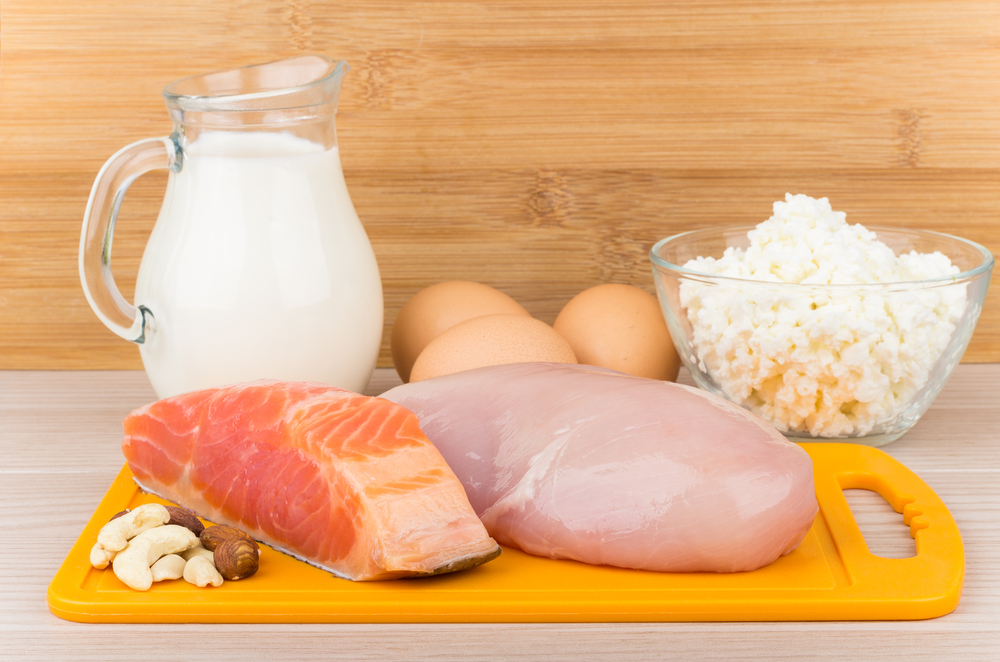
Fish, meat and eggs are a rich source of protein and protein is necessary for lots of functions throughout the body, therefore we all need some protein in our daily diet.

Meat is also a good source of vitamin B12 and iron. A diet rich in iron will help prevent iron deficiency anemia. This is a common condition found in children and can result in children having little energy and looking pale. It is recommended that children and adults eat 2 portions of fish a week, one of which should be oily. Tinned fish such as sardines, salmon, mackerel and pilchards highly contains omega 3 fatty acids and have been proven to be beneficial for heart health. White fish like cod, haddock and coley are good sources of protein but are also low in fat.

Eggs are the convenient alternative to meat and are extremely versatile. They can be boiled, scrambled, poached or made into an omelet.

Processed meats and chicken products are often a real favourite with children. They should not be offered too often (aim for no more than once a week) as they tend to be high in fat and salt.


Health Benefits of Meat, Eggs and Fish 

  • Meat, poultry, fish, dry beans and peas, eggs, nuts, and seeds supply many nutrients. These include protein, B vitamins (niacin, thiamin, riboflavin, and B6), vitamin E, iron, zinc, and magnesium.
  • Proteins function as building blocks for bones, muscles, cartilage, skin, and blood. They are also building blocks for enzymes, hormones, and vitamins. Proteins are one of three nutrients that provide calories in a good amount to the body.
  • B vitamins found in this food group serve a variety of functions in the body. They help the body to release energy and plays a vital role in the function of the nervous system, aid in the formation of red blood cells, and help build tissues.
  • Iron is used to carry oxygen in the blood. Many teenage girls and women in their child-bearing years have iron-deficiency anemia. They should eat foods high in heme-iron (meats) or eat other non-heme iron containing foods along with a food rich in vitamin C, which can improve absorption of non-heme iron.
  • Magnesium is used in building bones and in releasing energy from muscles.
  • Zinc is necessary for biochemical reactions and helps the immune system function properly.
  • EPA and DHA are omega-3 fatty acids found in varying amounts in seafood. Eating 8 ounces per week of seafood may help reduce the risk for heart disease.

General Hindrances That New Runners Faces

  • You Need a Rest

Sometimes you might just need a rest. It may be possible that your body or mind is tired and depleted. Take a break for a day or two from running to rejuvenate your mind and body. Also, make sure to properly fuel and hydrate your body, consuming adequate nutrients like protein to rebuild broken muscles. Try to drink water as much as you can. Give some time to practice yoga, to stretch out all your aches and soreness and some other cross-training, depending on how you are feeling, and get ready to return run-ready and refreshed!

  • You Are Under-Fueled

Run fuels are taken before, sometimes during, and after running also, based on your running conditions. If you find yourself struggling to keep up your running pace, or growing tired halfway through your run, it may be because you are not properly fueling for your distance.  Signs include things like shortness of breath, lethargic/no-energy while running, headache, muscle cramps, and the run just seems overly hard when it’s just your easy run. If that is the case, re-evaluate your caloric intake and adjust accordingly. Play around with when you eat and how much in relation to your run time and distance and figure out what you need to allow you to run your best.

  • You Have Poor Recovery

Do you refuel your body within 30 minutes after finishing your run? How about stretching and foam rolling those sore, tired legs? Recovery for everyone is a differentiated process, and is different depending on how far you ran, the running conditions etc., but take some time to figure out what it means for you and to make sure you do it properly every time.

  • You’re Dehydrated

If you feel thirsty very frequently, either you are running or not, or having dry lips, and a pasty taste in your mouth, and you feel like you’re sweating way less than normal. you may be dehydrated! Dehydration has a great impact on one’s running schedule. When the body doesn’t have enough water amount, all vital systems start to struggle on the inside, and as a result you start to struggle as well.  And if you feel like you are drinking enough water, but still have all the above symptoms, try replenishing your electrolytes. As runners, they need a lot of electrolytes. As plain water, sometimes isn’t enough to get things back on track.

Few Common Medication Mistakes

  • Taking Too Much

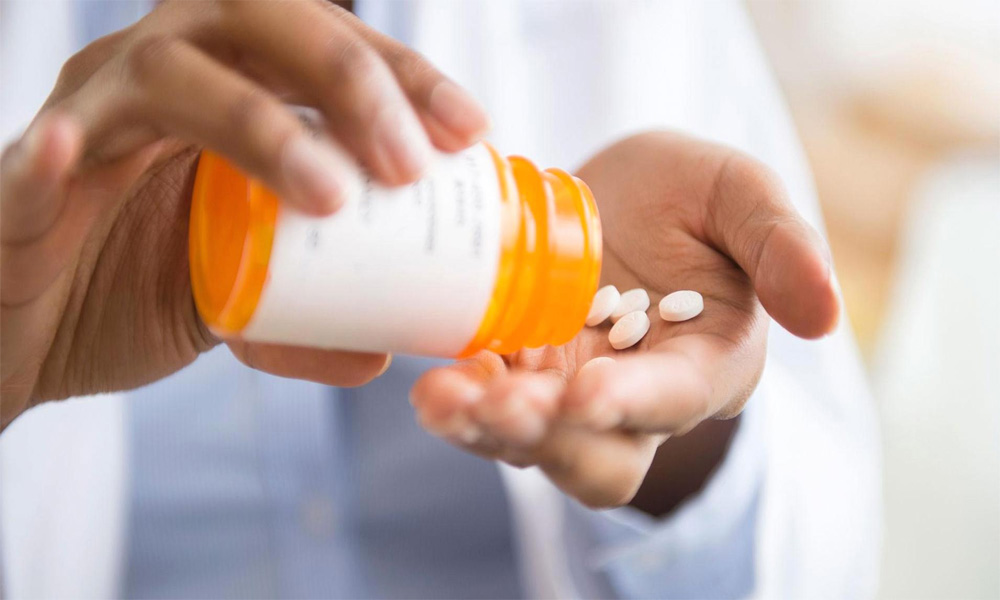
Overdose is very common case of medication fatalities. Also, the most common medication error. Prescription drugs that carries abuse potential are the most common culprits. For stance, prescription painkillers like: Percocet, stimulants such as Adderall and anti-anxiety medications like Xanax, a person should never take more medicine than the prescribed amount.

  • Confusing Medications with One Another

Few medicines have similar names that are easy to mix with one another. Few examples of such medicines are:

  1. Lamictal for epilepsy and Lamisil for fungal infection
  2. Zantac for heartburn and Zyrtec for allergies
  3. Celebrex for arthritis and Celexa for depression

Patients, majorly seniors with dementia, can even get confuse with pills when they look superficially similar. This is a common case where a pill-minder can be a great help.

  • Medicines Interacting with One Another

Few medicines are never meant to be mixed with other medications. This case is general with 30% of old persons taking five or more prescriptions at a time and receiving prescriptions from multiple specialists. For example, a patient could be prescribed an opiate painkiller from a general doctor but on the other hand, a sedating sleeping medicine from a sleep specialist. These both medicines would be safe only if taken individually at prescribed doses.

  • Food and Drug Interactions

While it is very normal to know that certain medications ought not be taken at the same time. They may need gap after meals and should not interact with food. For instance, many old aged people are on medications such as the anticoagulant Coumadin or blood thinning statins. These medicines can be ineffective if a patient eats food high in vitamin K, such as leafy green vegetables, Brussels sprouts and broccoli. One should always be mindful of directions and warnings on the labels of your prescription and from your pharmacist.

  • Wrong Route of Administration

The FDA report cited above indicated that 16% of medication errors involve using the wrong route of administration. This could involve swallowing a tablet that was intended to be taken without water and someone take it with liquid. Swallowing a liquid intended for injection or use as a nasal spray is another example.

Motivate Yourself for a Morning Workout!

Motivation can be necessary because of our day-to-day obstacles: you don’t want to spend an hour in traffic to hit the gym, missing plans with friends after a hard workout, etc. In that case, you need to attack the obstacle head first. Yes! You need techniques to self-motivate for workout.

Here are few tips on how to motivate yourself for workout even on the days when all you want is to stay in bed.

  • Become a Planner

Keep your gym outfits or gym bag hanging on the front door. As doing so will keep you reminding to go to gym. By doing this you must confront it on your way out or the minute you wake up in the morning. It is one of the best ways of motivating yourself for workout, as it keeps you on schedule.

  • Write Down Attainable Goals

Research demonstrates that writing down the goals is one of the appropriate techniques to self-motivate for workout. It keeps you accountable to yourself. Just make sure goals are attainable.

  • Reach out to others for support

Find a friend to share your zest for running, and plan your schedule to work out together. It’s easy to hit the snooze button when you go alone but much harder to leave a companion waiting at the track.

Start joining a social networking site or online community of fitness trainers and nutrition experts. It is one of the productive ways to stay motivated for working out. Get a support from other people who’re trying to lose weight and maintain healthy eating and exercise routines. People who get this kind of online support are proven to lose up to three times more weight than people going it alone.

  • Keep in touch with scale

It’s not a motivation to weigh yourself every time, as it always fluctuates. But if you weigh yourself once a week, you’ll be motivated to keep going down with extra fats of the body. You can also combine the scale with a measuring tape to measure your waist.

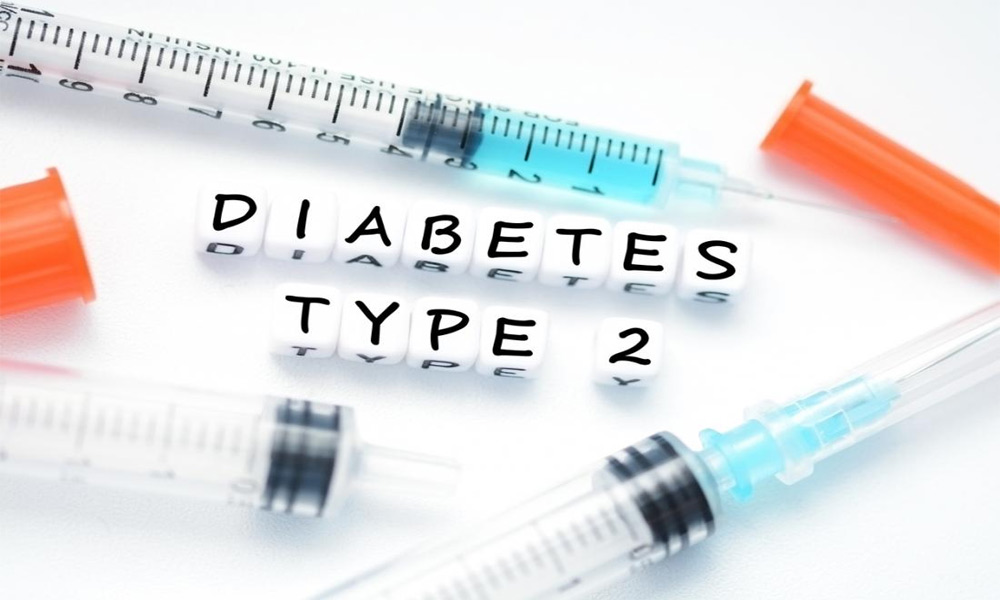
Few Healthy Eatables for Type 2 Diabetes Patients

Type 2 diabetes is a condition in which our cells cannot use the blood sugar present in a body efficiently for energy. This situation appears when cells become insensitive to insulin and the blood sugar gradually gets too high.


Type 2 diabetes can be caused by various reasons such as:
  1. Being overweight
  2. Eating a lot of foods or drinks with sugar and simple carbohydrates
  3. Artificial sweeteners(sugar free sodas, sugar free foods) intake
  4. Lack of activity (sedentary behavior)
  5. Lack of exercise
Eatables for Type 2 Diabetes Patients
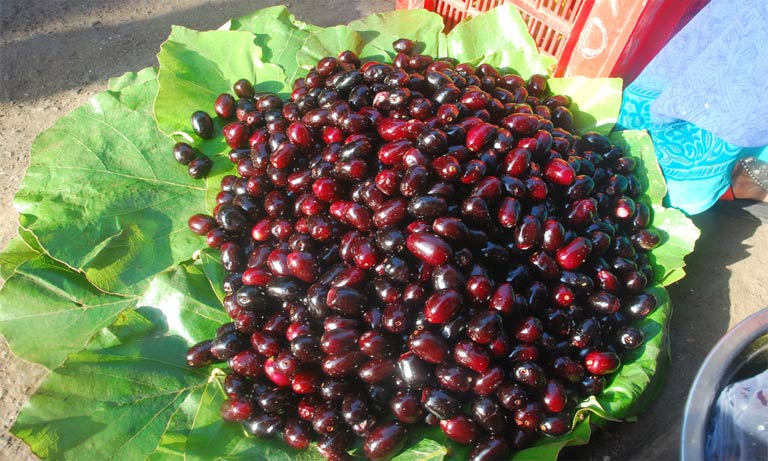
  • Indian Blackberry: Indian blackberry is considered as one of the effective eatables for type 2 diabetes. Take the dried seeds or leaves of the plant, powder it, mix it with water and drink it twice a day.

Indian Blackberry

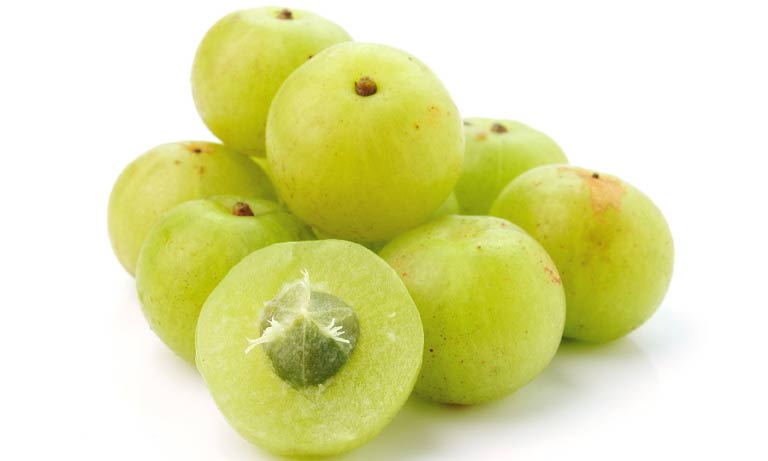
  • Indian Gooseberry: Indian gooseberry that is rich in vitamin C will promote proper functioning of the pancreas that is responsible for the release of insulin. It is considered as a good food for type 2 diabetes. Take 2 or 3 Indian gooseberries, squeeze out the juice and drink it daily on an empty stomach.

Indian Gooseberry

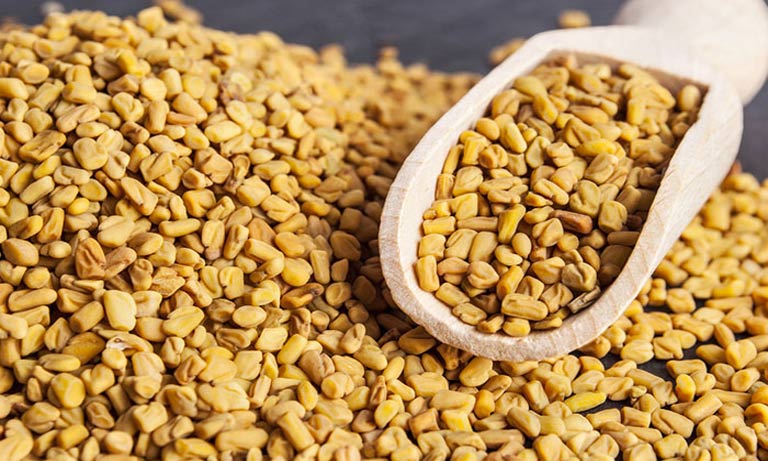
  • Fenugreek: Fenugreek is an herb that helps to improve glucose tolerance and control diabetes. You must soak two tablespoons of fenugreek seeds overnight. Now drink this water on next morning, along with the seeds. To bring down your glucose level, follow this remedy for a few months. Also, the seeds can be powdered and taken with milk. Fenugreek is another good eatable for type 2 diabetes.

Fenugreek

  • Mango leaves: Tender mango leaves help to regulate insulin levels in the blood and treat type 2 diabetes effectively. Boil 10 to 17 mango’s leaf’s in water and leave it overnight. Filter this water in the next morning and drink it on an empty stomach.

Mango leaves

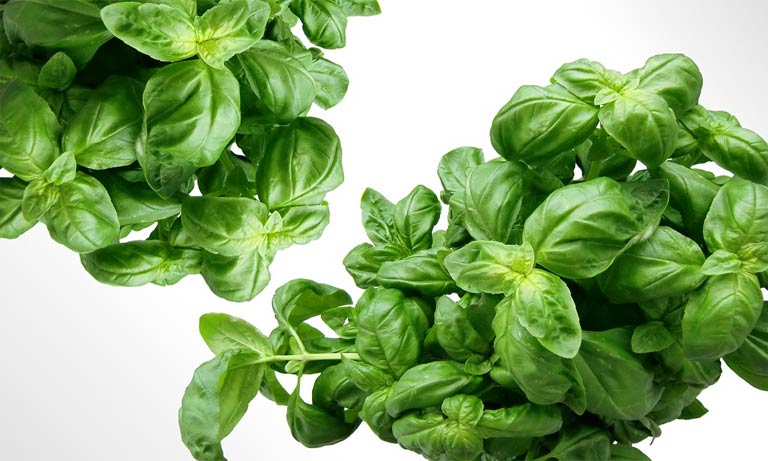
  • Basil leaf’s: Basil leaf’s or tulsi have essential oils to lower the blood sugar levels in the body. Basil leaf’s are also well known remedy for type 2 diabetes. Extract juice from basil leaves and drink 2 tablespoons of juice in the morning on an empty stomach.

Basil leaf’s

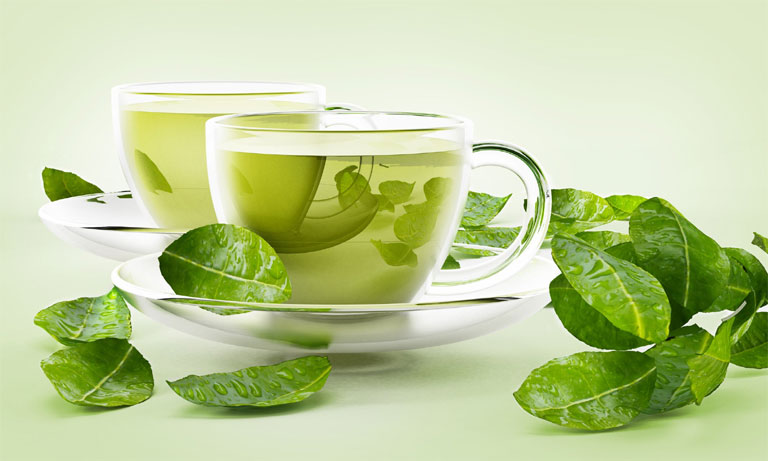
  • Green tea: Green tea has antioxidant properties that help to reduce the blood sugar level in the body. Drinking a cup of green tea daily in the morning on an empty stomach is good homemade treatment for type 2 diabetes. your overall health.

Green tea