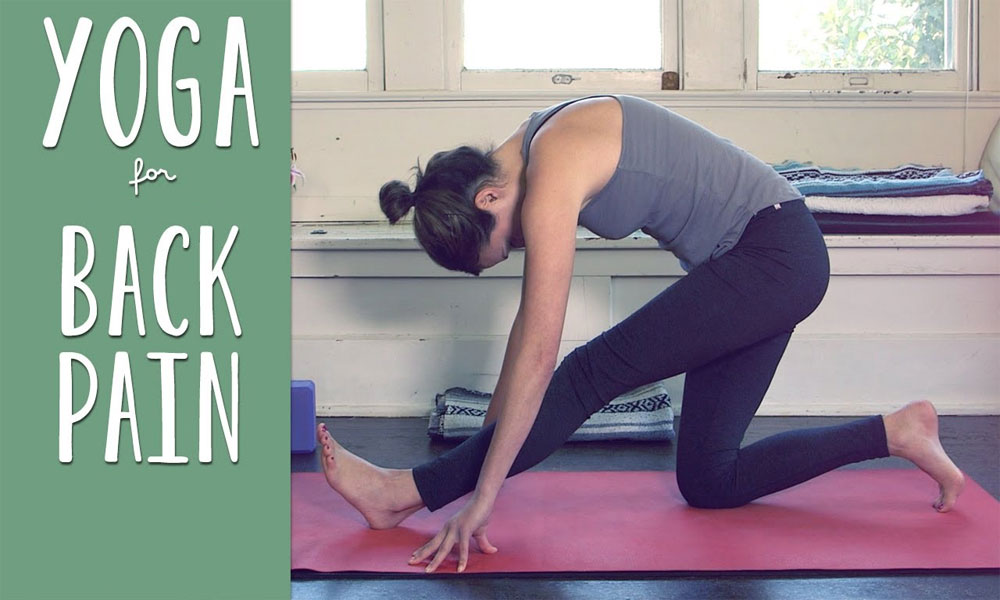
5 Yoga Poses to Ease The Lower Back Pain

5 Yoga Poses to Ease The Lower Back Pain

For most of our lives, we hardly appreciate our back for keeping us upright. But at some point, our backs become rebellious and remind us that they need love and attention too and, this happens in almost everyone’s life. Till the point pain is tolerable & temporary consider yourself lucky. But many of us are not lucky and the back pain they face is debilitating.

In extremely severe cases, medical attention may be necessary, but if your pain fluctuates and is less severe, Yoga asana can help you get your back strengthened. Sometimes stretching and improving circulation to the spine and nerves may work wonders. Here are some yoga postures for back pain.

  • Knee Hugs

This yoga pose is exactly how it sounds. Embrace your knee, and try to pull it as close to your chest as possible. Knee hugs are extremely important pose and one should always start their yoga session for back pain with this yoga pose as it opens the back immediately. This is the most basic pose for those who are less flexible. Remember, the more you lift your legs up the better it would be.
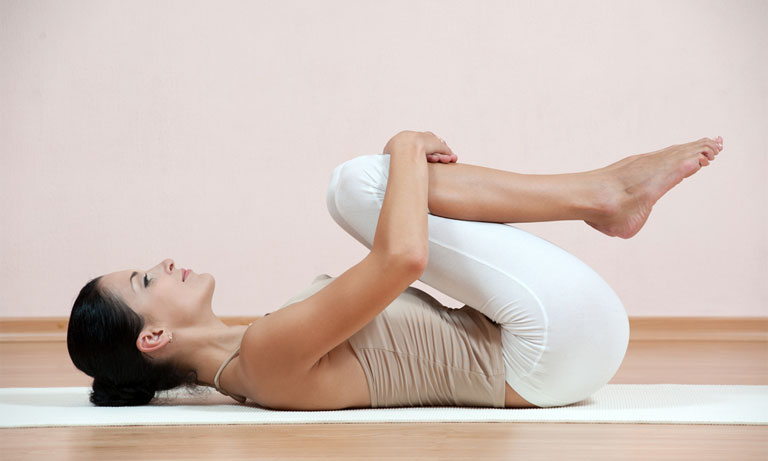
Knee Hugs

  • Thread & Needle

It is a variation of knees hugs that allows you to get a much intense stretch that is not only beneficial for lower back but strengthens the hamstrings and glutes too. Thread & needle is done to release any kind of tension that has developed in lower back over the period.
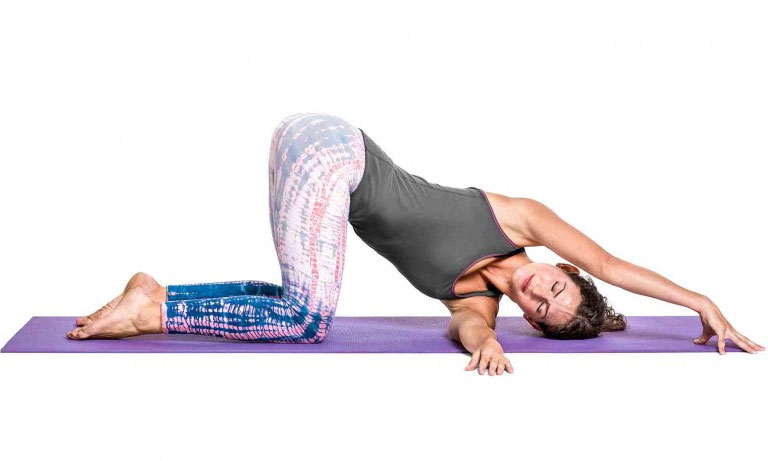
Thread & Needle

  • Child’s Pose

The child’s pose is great for your lower back. Not only does its makes the back flexible but also puts it in a deeper state of relaxation. The moment you sink into the pose, its benefits of it can be experienced immediately.
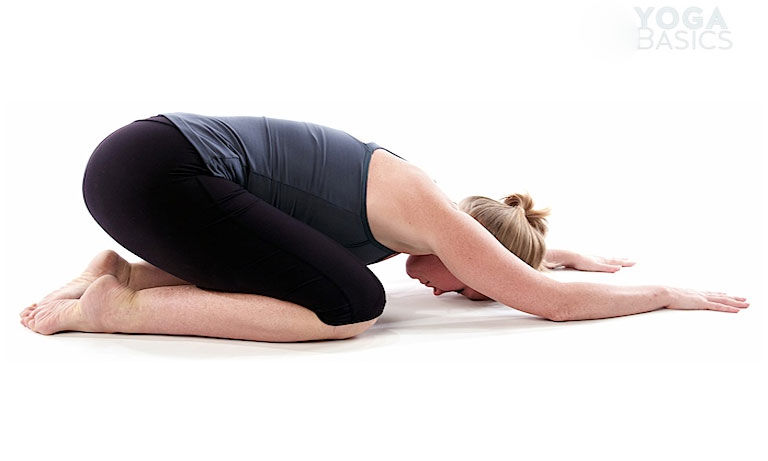
Child’s Pose

  •  Spinal Twist

This pose gives a relief that no other basic yoga asana. Take a deep breath and exhale into the pose, the stress and strain in the back will almost float away.
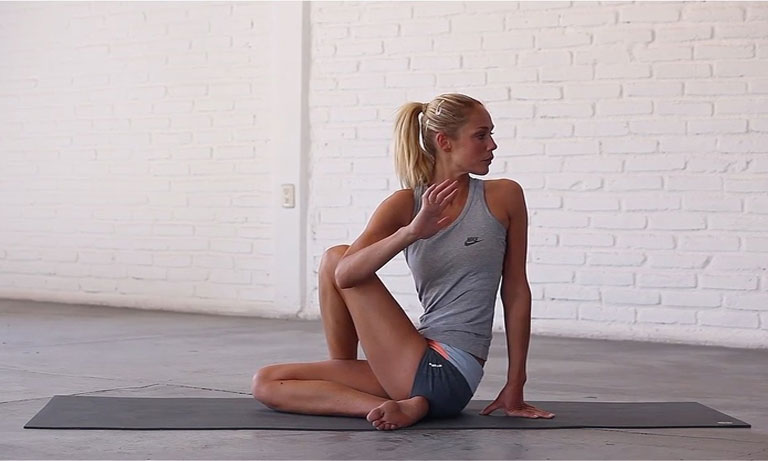
Spinal Twist

  • Downward Facing Dog

Down Dog is a great way to stretch out hamstrings and calves and calm the back pain that might have happened due to stress. If you’re less flexible then try child’s pose and bend your knees a little bit to make the stretch more comfortable.
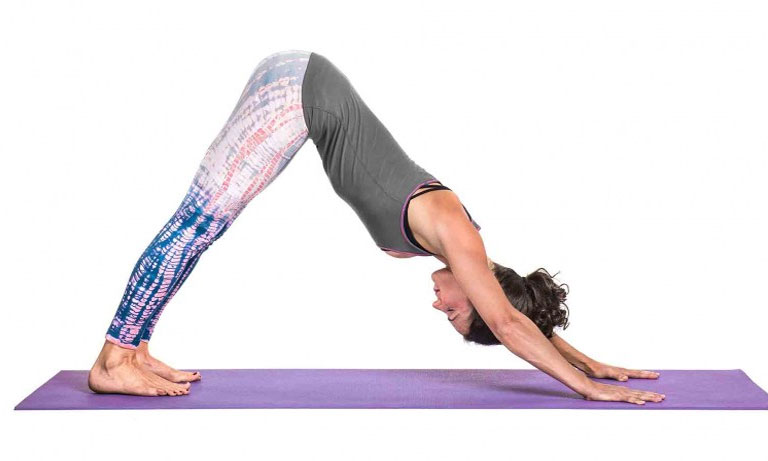

Downward Facing Dog

Carbs and Fat Before a Workou

Are You Also Eating Carbs and Fat Before a Workout?? Must Read

It is a well-known fact that staying healthy is a tough job now because of the amount of pollutant present in the atmosphere and adulteration in everything available. people who work out in the gym should take a healthy diet to lead a healthy lifestyle. It is recommended to have a smoothie or anything that work as a supplementary drink within 30 minutes after a workout so the muscles can get the nutrients they need to recover.

Your body needs carbs to exert energy to attain better training. It is advisable to Eat a nutritious snack about 45 minutes before hitting the gym and this quick meal should include carbs along with proteins and healthy fat.

Studies say that a diet comprised of 85 percent fat can help in improving overall performance for ultra-endurance. There is another of information that most of the people who are associated with working out misconstrue which is needed to be clarified. When we say “fat” we mean the good kind fat which includes – avocados, nuts and fish, and not junk food and desserts.

Eating traditional fat or fatty food is discouraged to be consumed pre-workout session as fatty food takes more time to get digested and thus it will not pass through the system to provide energy during the workout. Another adverse effect that consuming fast food can lead to is that as fatty eatables are heavier on the gut it can also trigger digestive distress and create feelings of sluggishness.

Consuming modest servings of healthy fat are OK before work out. A tablespoon of peanut butter on a whole-wheat bagel or whole-grain cereal with a sprinkling of dry fruits are considered as best foods. Avoid saturated fat-laden food and try eating a light portion of healthy food.

There is a way in which carbs should be eaten. Amount of carbs eaten in a day depends on several factors including body size, activity level, genetics and fitness goals. Talk to your gym instructor and incorporate the diet with the number of carbs and fats he suggests.