Warning Signs of Dehydration You Must Know

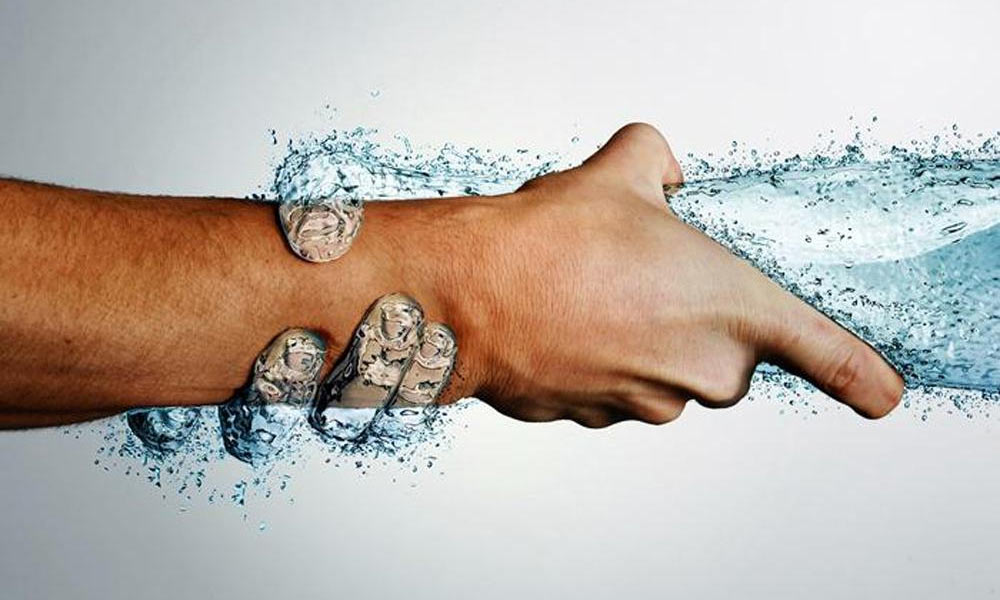
Dehydration is a health issue more serious than you think it is. It is a disease that can even land you in the hospital. It occurs when the body has insufficient water to function properly. When we lack water, our body and brain cannot function properly. Severe dehydration can lead to seizures, blood clots and other potential fatal complications. These are some of the many reasons you should always make sure to drink plenty of water throughout the day and stay hydrated. When we are dehydrated, our body gives us signs to warn us. So, you should be aware of these warning signs of water dehydration.

Water dehydration signs involve:

  • Dry eyes or blurred vision

Your overall body fluid goes down when you have been exercising for a long time or you are sweating. This can result in blurred vision and dry eyes. Just drink water and stay hydrated throughout any form of exercise. Also, monitor your hydration levels regularly.

  • Dry Skin

As people go through various stages of dehydration, they start to feel sweaty and this make their skin really dry. The human skin is made up of 30% water. Thus, making it more plumped, elastic, and resilient. In case of internal dehydration, factors like showering habits, dry air, heat and skin infection lead to higher water evaporation, which can leave your skin dry and itchy.

  • Dark Urine

Kidney plays an essential role in maintaining the fluid balance of our body. Light yellow urine means you are properly hydrated because it is only possible when you drink enough water. This means that your kidneys have enough water to help them remove toxins from your body. In the case of dark urine, your body is giving you a clear sign of water dehydration in the body.

  • Muscle Cramps

When the magnesium level gets low in the body, it causes muscle cramps and pain in the leg muscles. To avoid the pain in joints and muscles, you need to eat dark and leafy vegetables. This will replenish both your water and mineral levels. If you are experiencing muscle cramping, then you must know it is a serious sign of dehydration. Try drinking sports beverages that contain sodium, they help your body to re-hydrate and retain the water.

Look at these warning signs which indicate that your body may be lacking water and keep your body hydrated.

8 Incredible Ways to Stay Healthy While Working from Home

Working from home has lots of advantages but along with that comes lots of temptations especially fridge and food. Always staying at home results in lots if lethargy but it can be utilized to advantages.

Here are few tips for staying fit and healthy while working from home:

  • Fix a Separate Workspace

Maintain a workstation at your home that’s designated entirely for official work. The bed should be limited to sleep and relaxation only. Carrying work to relaxation zone can interlude with the ability to relax later. And working from bed or couch apart from workspace can create mental associations that keep mind occupied with professional obligations, in personal time too.

  • Choose a Comfortable Chair

Invest in a comfortable, cushy and ergonomically designed chair that will keep body postured and aligned throughout the day. Or Use a standing desk instead to give your back support.
Get up every hour and get out at least once a day
It can be easy to get stuck in your seat, especially when you feel comfortable in your space. Set a timer to remind you of a body stretch once every hour. Make sure to go for a walk get some sunshine and fresh air.

  • Plan Schedule and Stick to it

Waking up late and working at odd hours can be tempting, setting a schedule will benefit your mental health and the quality of your work when you create your schedule, use the flexibility to your advantage. Schedule your workouts, arrange meeting with colleagues at the gym or other places to discuss work, with this it would get easier to work and workout simultaneously.

  • Create a Soothing Environment

Staying home means you have the control over your surroundings, make your work area soothing and manage your stress level. If a beautiful image helps you stay calm, place it on your desk in front of a window or within eyesight of artwork you enjoy.

  • Maintain a Healthy Work-Life by Setting Limits

Track your work hours. Don’t let work overpower your personal time and space, or vice versa. Avoid working on weekends if you can, and keep a record of the time you’re spending on work every day.

Keep the kitchen stocked with healthy eatables

Keep temptation at bay avoiding snacks and junk out of sight buy fresh fruits and vegetables.

Get involved in a virtual telecommuter community.
It’s necessary to maintain the social connection, despite working from home. Maintaining healthy social connections meliorates overall well-being and keeps motivated.

Unknown Facts About Anesthesia

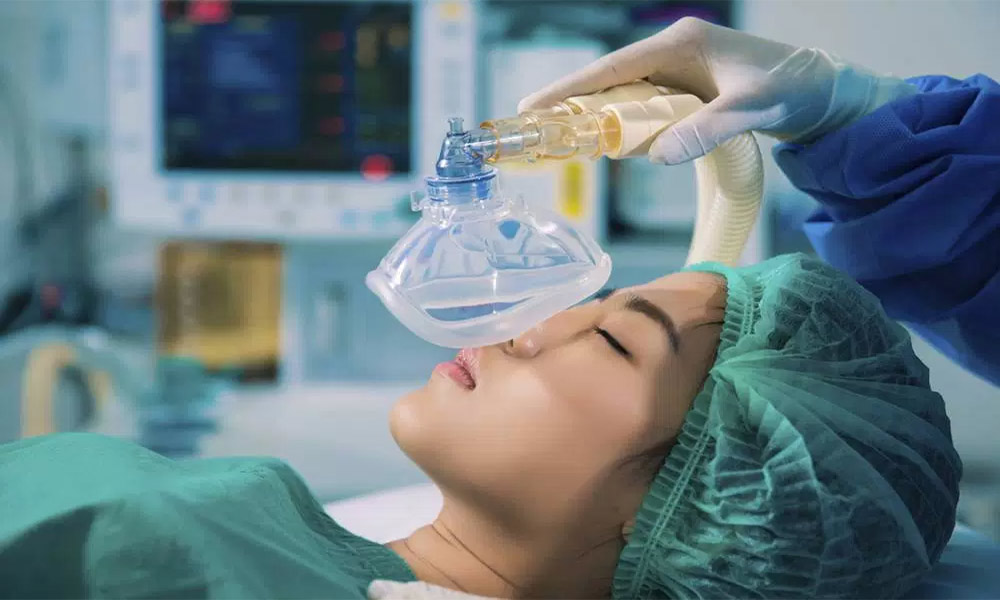
Anesthesia sounds a much common term that many people must have heard about if not experiences. Millions of people annually undergo all types of surgery with the help of these pain-relieving medications. And even though these drugs are very prevalent, there are still several facts about them that may surprise you. Here is a list of few unknown facts about anesthesia that you may have missed.

  •  Smokers May Need more Anesthesia than Non-Smokers

According to Anesthesiologists people who smoke can need extra anesthetics. Smokers have irritated airways, and due to this, they might need higher doses of pain medication to improve their tolerance with the breathing tubes.

  •  It’s Possible to Wake up During Surgery

In extremely rare cases “anesthesia awareness,” can occur that is when a patient regains consciousness while they’re under general anesthesia. Anesthetic medications can cause unconsciousness and pain relief and prevent movement during operation. If it fails to result in unconsciousness and relief pain, there are chances that patient may wake up during the surgery. And, in extremely rare cases, if all the effects fail, the person could wake up but not be able to communicate with the doctors. Physicians try to reduce the risk of anesthesia awareness by measuring their patients’ consciousness.

  •  Aromatherapy after Anesthesia

Aromatherapy can prevent nausea that people commonly feel after surgery and anesthetics. The research found that people who used essential oils felt less sick after their procedure and underwent fewer medications for the treatment of nausea. Moreover, aromatherapy is noninvasive and relatively inexpensive.

  •  Obesity Increases the Risk of Complications

It’s harder for anesthesiologists to provide the best dose of medication and deliver that medication intravenously to patients who are overweight. There are possibilities that the extra weight might interfere with their breathing during the procedure. Losing weight before surgery can lessen the risks.

  •  How do Anesthetics Function?

It’s believed that anesthetics interrupts nerve signals by attacking specific protein molecules inside nerve cell membranes. The more scientists continue to learn about anesthesia, the stronger medications will result out to be.

  • Anesthesia can Block your Memory

General anesthesia isn’t just designed to keep you immobile and pain-free. It also causes amnesia this is the reason why, if you do wake up during the procedure, you’re not likely to forget a lot about the happenings

Tips to Prevent Cough and Cold in Winters

Going through winters is no less than a task because winters means dealing with colds, cough and runny noses. Winter is the season for colds and flu. These winter allergies can leave you sick because during the cold season, your resistance and immunity levels are low. Those with allergies have a spurt of symptoms and need to take some preventive measures. Keep your family healthy with these tips for preventing cough and cold in winters.

Few ways to avoid getting cough and cold this winter are:

  • Stop Touching Yourself

People who touch their eyes and nose occasionally are more likely to develop frequent respiratory infections than the folks who don’t. And if you have a habit of touching yourself, it is recommended to wash your hands. Wash them as much as possible. Avoid using a hand sanitizer because it takes a good scrub with soap and water to rub a virus off your skin.

  • Time to train

Hitting the gym regularly and on time boosts your body’s immune response to the virus in the vaccine. The post-exercise inflammation enables to increase the body’s immune system response. Basically, working out regularly enhances immune function.

  • Sleep on time

To fight cough and cold in winters, getting full sleep is very essential. Doctors suggest that getting 8 to 10 hours of sleep every night is mandatory or the immune system would not be able to fight the virus. Your body needs more sleep when you are feeling under the weather.

  • Eat healthy food

Eating plenty of fresh fruits and vegetables supports your immune system. You may think that it is hard to eat healthy on a regular basis but it makes it a lot easy to fight off with the flu. Brew some green tea to stop the virus from attacking the immune system. Its magic ingredient, can damage influenza virus particles and stop them from entering your system.

  • Stay away

Try to keep distance from people who display the symptoms and signs of coughing and sneezing in winters. Whenever possible, stay away from your sick friends, colleagues and family.

Preventing cough and cold in winters is made easy with the help of these easy tips and tricks. With the help of these strategies, you can stay well and won’t end up getting sick.

Few Things to Know About Calcium Deficiency

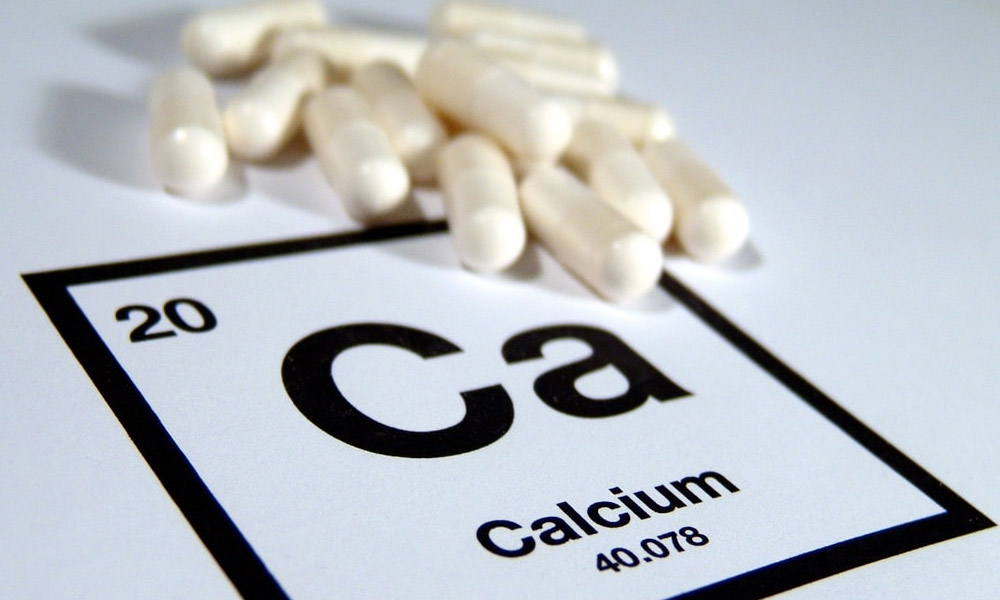
Calcium (Ca) is the most abundant mineral in the human body, making up our bones and teeth. A small additional amount is found in our blood and fluid between cells.

Calcium deficiency is also known as ‘hypocalcemia’. ‘Hypercalcemia’ (not to be confused with hypocalcemia) is when abnormally excessive blood calcium levels are detected. 

Calcium Deficiency Symptoms

Calcium deficiency symptoms can vary widely—ranging from nonexistent or mild to severe and life-threatening. Chronic and untreated deficiency of calcium can cause many severe consequences, including rickets, osteopenia, and osteoporosis.

Low blood calcium levels and the lack of calcium may lead to the following are the symptoms of deficiency of calcium:

  • Fainting
  • Heart failure
  • Chest pains
  • Numbness and tingling sensations around the mouth or in the fingers and toes
  • Muscle cramps, particularly in the back and legs; may progress to muscle spasm ( tetany)
  • Wheezing
  • Difficulty swallowing
  • Voice changes due to spasm of the larynx
  • Irritability, impaired intellectual capacity, depression, anxiety, and personality changes
  • Fatigue

Ways to Increase Calcium Intake

If you feel low with calcium, try to get the majority of your calcium from food sources (see our post “Calcium-Rich Food: Tasty Choices Are Easy to Find“). While dairy is a concentrated source of calcium, other components in dairy make it a poor choice for maintaining bone health.

Instead, opt for foods high in calcium; examples: salmon and sardines canned with bones, kale, collards, broccoli, mustard greens, turnip greens, bok choy, and sesame seeds. For calcium supplements, choose calcium citrate or calcium citrate malate, and take it in at least two divided doses with meals for the best absorption.

What’s Deficiency of Calcium Disease?

Calcium is a vital mineral. Your body uses it to build strong bones and teeth. Calcium is also needed for your heart and other muscles to function properly. When you don’t get enough calcium, you increase your risk of developing disorders like:

  1. osteoporosis
  2. osteopenia

calcium deficiency disease (hypocalcemia)

Children who don’t get enough amount of calcium in their childhood are more prone to calcium deficiency. They may not grow to their full potential height as adults. So, they require to consume the recommended amount of calcium per day through the food you eat, supplements, or vitamins.

What Causes Hypocalcemia?

Many people are at an increased risk for calcium deficiency as they age. This deficiency may be due to a variety of factors, including:

  1. poor calcium intake over a long period of time, especially in childhood
  2. medications that may decrease calcium absorption
  3. dietary intolerance to foods rich in calcium
  4. hormonal changes, especially in women
  5. Other causes of hypocalcemia include malnutrition

How’s Hypocalcemia Treated?

Calcium deficiency is usually easy to treat. It only involves adding more calcium to your diet. But taking more than the recommended dose of calcium supplements without a doctor’s approval can also lead to serious issues like kidney stones.

Commonly recommended supplements for calcium include:

  1. calcium carbonate, which is the least expensive and has the most elemental calcium
  2. calcium citrate, which is the most easily absorbed
  3. calcium phosphate, which is also easily absorbed and doesn’t cause constipation
  4. Calcium supplementsare available in liquid, tablet, and chew able forms.