skin allergies

Relieve your Skin Allergies at Home

Skin allergies occur when something touches your skin. It makes your immune system thinks that it is under attack. This is the reason that antibodies are sent to help fight the invader, called an allergen. The various skin allergies include immune system disorders, medications and infections. These skin allergies include bumps, itching, redness and other skin conditions which may not be easily identifiable. It is more like a reaction that appears when the skin meets an irritant or an allergen. Infections that cause rashes may be fungal, bacterial, parasitic, or viral.

Comfort your skin allergies by:

  • Avoid Contact: It might sound obvious, but it’s worth a reminder. Try not to use or touch what triggers your allergy.
  • Chill Out: A cool compress or shower can help calm a fiery rash. Gently pat dry and then moisturize.
  • Try a Damp Dressing: First find a soft cotton piece of clothing, like a long-sleeve T-shirt or long underwear. Soak it in water, wring it out, and then put it on. Try to wear something that’s not too tight and something over it that’s snug.
  • Go Baggy: Don’t wear tight clothes. They can irritate your rash. Play it loose and cool.
  • Add Anti-Itch Cream: Over-the-counter hydrocortisone or calamine lotion may relieve itching.
  • Soak It: Colloidal oatmeal is oatmeal ground to a powder, so it mixes well with water. In some cases, it can even calm the inflamed skin for few people. But some of the peoples can have reactions to it as well. To try it, use lukewarm water. If it’s too hot, it can irritate and dry your skin.

If your skin allergy symptoms don’t reduce on its own. It is recommended to get it checked from a certified doctor. There are strong chances that your skin problem might get better with the above-mentioned home treatment because if these problems are not treated on time, they could be a sign of a serious medical condition. You can relieve your symptoms with the help of a physician who have specialized training and expertise to accurately diagnose the condition.

hypertension

Get an Answer to Your Question “What Is Hypertension?”

When blood pumps from the heart into the arteries with a force, it is called blood pressure. It is a serious health problem that can lead to heart attacks, strokes and kidney failure. You can treat and reduce the effects of blood pressure at home with natural home remedies. Blood pressure is known by another term “Hypertension”. This ailment is considered as one of the most common health concern. With a little bit of lifestyle adjustments and prescription medication, you can easily treat hypertension. High blood pressure can cause damage to your arteries and blood vessels.

Symptoms of hypertension includes:
  1. Headaches
  2. Shortness of breath
  3. Nosebleeds
  4. Dizziness
  5. Chest pain
  6. Visual changes
  7. Blood in the urine
People prone to this ailment involves:
  1. Being overweight or obese is a key risk factor.
  2. Consuming large amounts of alcohol regularly can increase a person’s blood pressure, as can smoking tobacco.
  3. Common in people aged over 60 years.
  4. People suffering from cardiovascular disease, diabetes, chronic kidney disease, and high cholesterol levels.
  5. The lifetime risk is the same for males and females, but men are more prone at a younger age.
How to diagnose hypertension?

Most doctors check blood pressure as part of a routine visit. In some cases, your doctor may recommend you monitor the readings for a few days or week. You can even buy a blood pressure machine to monitor your levels and check it at the comfort of your home.

TIP: blood pressure levels change throughout the day and ask your doctor for healthy ranges if you’re monitoring your blood pressure at home.

How to prevent Hypertension?

Few positive changes in the lifestyle can ensure that your levels remain normal. These lifestyle changes include a heart-healthy diet, exercising regularly, avoid smoking and maintain a healthy weight.

Kidney ailments and symptoms

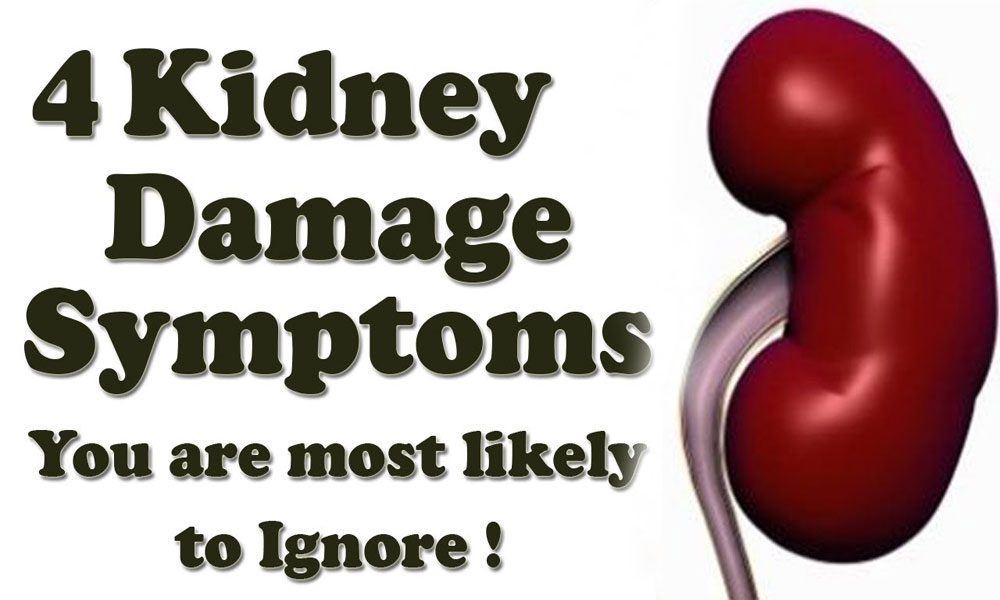
4 Kidney Damage Symptoms

Your kidneys filter your blood by removing toxins from your body and send toxins to your bladder. This way, your body later removes toxins through urination process. Most of the people lose 90% of their functioning ability of the kidney before getting any symptoms. If these symptoms are related to kidney disease they may gradually worsen as kidney function declines. High levels of protein in your urine suggest that you are suffering from kidney disease. People suffering with kidney disease tend not to experience symptoms until the very late stages. So, it is important to know the symptoms and signs related to kidney diseases.

  • Fatigue Being Tired All The Time

Healthy kidneys make a hormone that tells your body to make oxygen-carrying red blood cells. As the kidneys fail, they make less of this hormone. With fewer red blood cells to carry oxygen, your muscles and brain get tired very quickly. It is due to a build-up of wastes or shortage of red blood cells that can cause these problems when the kidneys begin to fail and can cause people to feel tired, weak and can make it hard to concentrate.

  • Urinating More Often

Kidneys make urine, so when the kidneys are failing, the urine may change. Either you may urinate more, or in greater amounts or you may feel pressure during urinating. Changes in urination including making urine than usual. In some cases, you can spot changes in the color of urine, foamy or bubbly urine, or having to get up at night to urinate.

  • Swelling in Hands or Feet

Decreased kidney function can lead to sodium retention, causing swelling of the feet, ankles, hands, or face due to fluid the kidneys can’t remove which may stay in the tissues. Failing kidneys don’t remove extra fluid, which causes swelling in the legs, ankles, feet, and/or hands.

  • Shortness of Breath

Extra fluid in the body can build up in the lungs. Kidney failure is confused with asthma or heart failure sometimes. Symptoms of kidney failure that can be caused by a build-up of fluid in the body include swelling in the face, feet or hands or shortness of breath from fluid in the lungs.

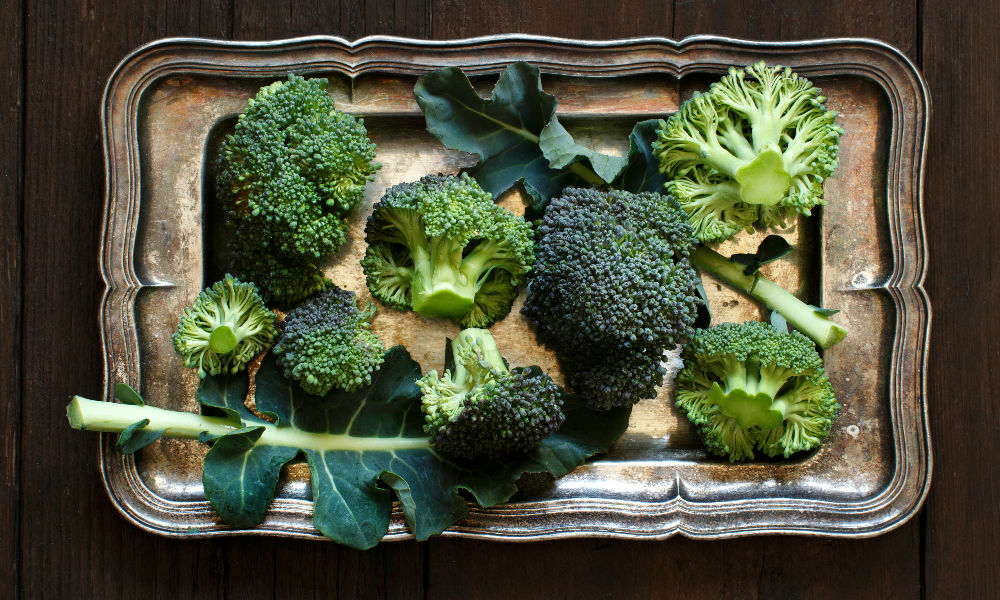
Broccoli

Infinite Benefits of Broccoli

A tasty vegetable which is rich in dozens of nutrients and aids in giving you a blissful health. It has a wide variety of nutritional and medicinal benefits that can prevent many types of cancer, improve our digestive system, lower cholesterol, detoxify the body, and maximize vitamin and mineral uptake. In addition to fiber, it is low in calories and is rich in essential vitamins and minerals, helping to meet your needs for both types of fiber.

Benefits of Broccoli Are as Follow:
  • Cancer Prevention

Broccoli contains cancer fighting and immune boosting properties. It belongs to cruciferous vegetables family such as cauliflower and cabbage. Broccoli has properties that depletes estrogens which is the main cause of developing cancer in the body. Researches have shown that broccoli is suitable for preventing breast and uterus cancer.

  • Detoxifies the Body

Vitamin-C, sulfur, and certain amino acids present in broccoli, makes it a very good detoxifier. It helps to remove free radicals and toxins like uric acid from the body, thereby purifying the blood and keeping away problems related to toxins such as boils, itches, rashes, gout, arthritis, rheumatism, renal calculi, skin diseases like eczema, and hardening of the skin.

  • Bone Health

Broccoli contains high levels of both calcium and vitamin K, both of which are important for bone health and prevention of osteoporosis. Broccoli is also full of other nutrients like magnesium, zinc and phosphorous and is extremely suitable for children, elderly and lactating mothers because of these properties.

  • Skin Care

Skin care is not just about glow, but also about immunity. Since broccoli is a perfect combination of antioxidants and nutrients like vitamin C and minerals such copper and zinc that helps in maintaining a healthy skin. This means it also protects the skin from getting infections as well as keep the natural glow of your skin. Broccoli is full of vitamin K, amino acids and folates, making it ideal for maintaining skin immunity and keeping it healthy.

  • Eye Care

Zeaxanthin, beta-carotene, vitamin A, phosphorus and other vitamins such as B complex, C, and E found in broccoli are very good for ocular health. These substances protect eyes against macular degeneration and cataracts, while also repairing the damage caused by radiation.

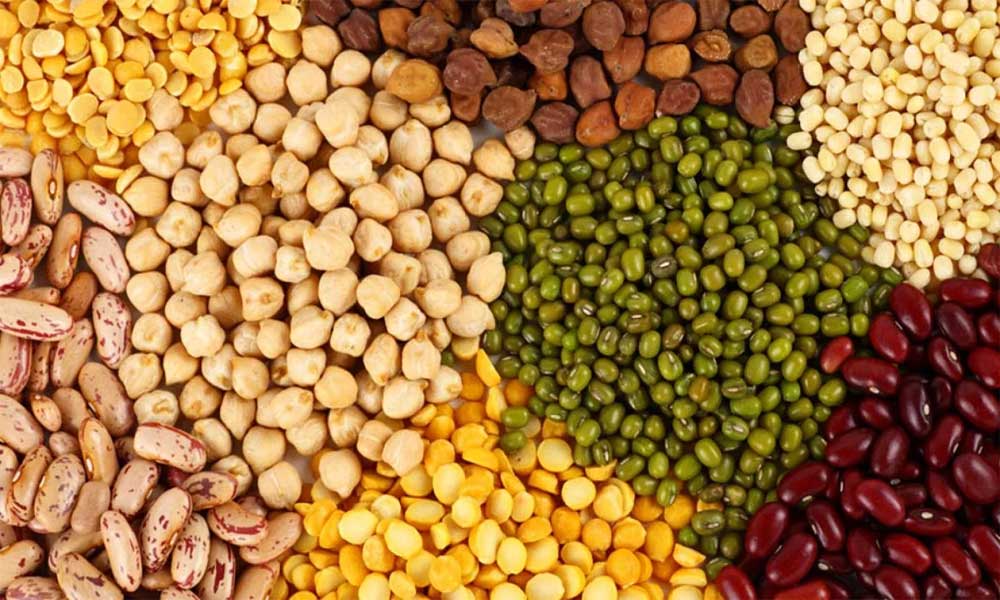
Nutritional and Health Benefits of Pulses

Pulses reduce cholesterol, prevent heart disease and contribute to healthy bones and teeth. They are a good low-fat source of protein, minerals like iron or zinc and B-vitamins such as folate. The high fiber content of pulses can help in reducing the bad cholesterol levels (LDL) and decreases the risk of heart diseases and type 2 diabetes. Being cheap priced, they are a healthy source of protein that could play a central role in solving the global problem of hunger and malnutrition.

Pulses with Big Health Benefits are:

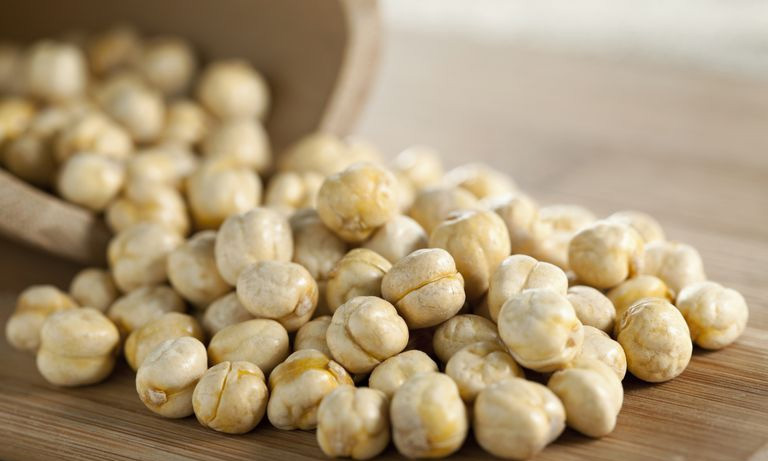
  • Chickpeas

Also known as garbanzo beans, chickpeas are high in protein and dietary fiber, are a good source of potassium, vitamin C and folate. They are even cholesterol free. Iron, calcium, and zinc present in chickpeas contribute to maintenance of healthy bones and teeth. Due to their high-fiber content, they also help prevent constipation and promote a healthy digestive tract. You could add chickpeas to salads, or even curries.

Chickpeas

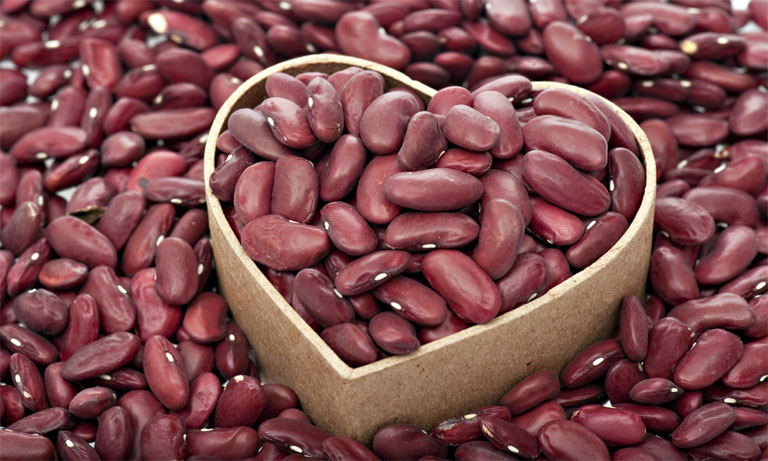
  • Kidney Beans

With fiber-rich complex carbohydrates and a low glycemic index, kidney beans provide a steady source of energy. They taste great in salads (combining cooked kidney beans with black beans and white beans makes a colorful three-bean salad) and minestrone soup. They’re also a good substitute for ground meat in tacos.

Kidney Beans

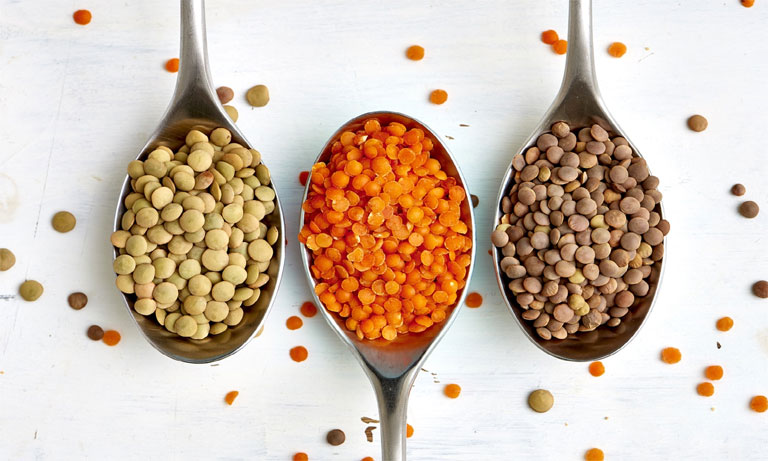
  • Red, Yellow and Brown Lentils

Lentils are slightly higher in protein and fiber than kidney beans and chickpeas. Lentils contain all the essential amino acids that are needed for muscle building, regeneration, and strength by our bodies. The folate content present in lentils helps prevent neural tube defects in women, aids in the formation of red blood cells and in maintaining homocysteine levels, which keeps hypertension in check.

Red, Yellow and Brown Lentils

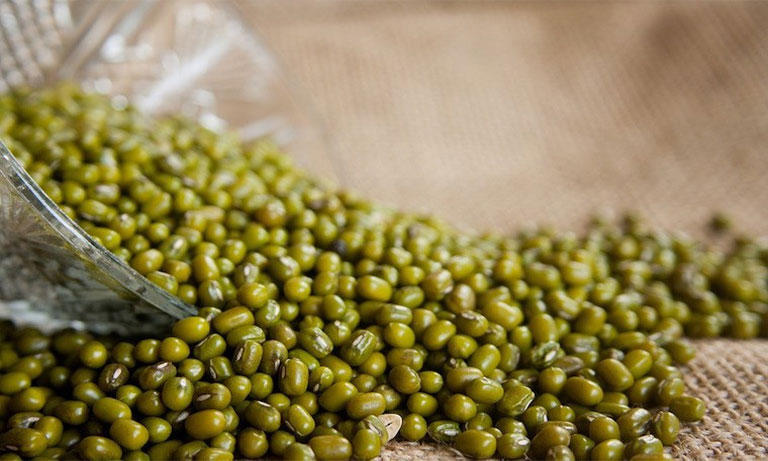
  • Mung Beans

Mung beans are an excellent source of protein, fiber, antioxidants and phytonutrients. These are often used in Chinese cuisine and can even help with detoxification in some cases. A single serving provides a whopping 100 per cent of the daily recommended value of folate, an essential vitamin for DNA synthesis, cell and tissue growth, hormonal balance, cognitive function, and reproduction. Sprouted mung beans tossed with tomatoes and cucumbers make a healthy snack. They can have added to soups, as a dhal or used as a stuffing in dumplings.

Mung Beans

Most of the pulses mentioned above are available either canned or fresh. Some of these might need to be soaked overnight and then boiled.