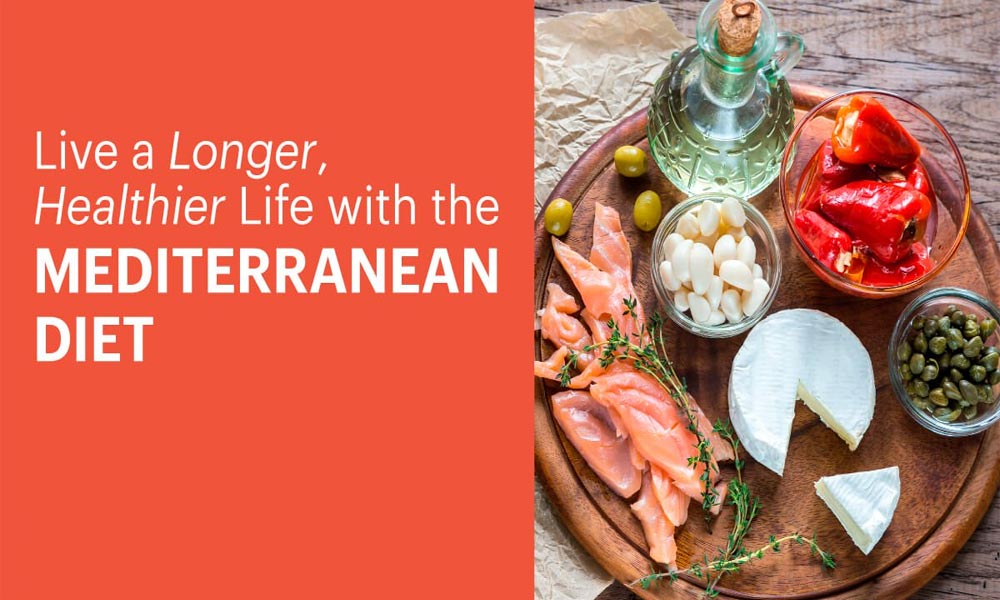
Mediterranean Diet

How to Reap the Benefits of Mediterranean Diet

Mediterranean Diet is abundantly rich in fruits, vegetables, whole grains, legumes and healthy oils. This healthy diet promotes lean sources of protein such as fish and poultry products, over red meat. There are a lot of benefits that could be extracted by following Mediterranean-style eating pattern such as: improved weight loss, better control over diabetes, reduced risk of depression etc. There are a few steps to start with Mediterranean diet.

  • Switch Up Your Oil

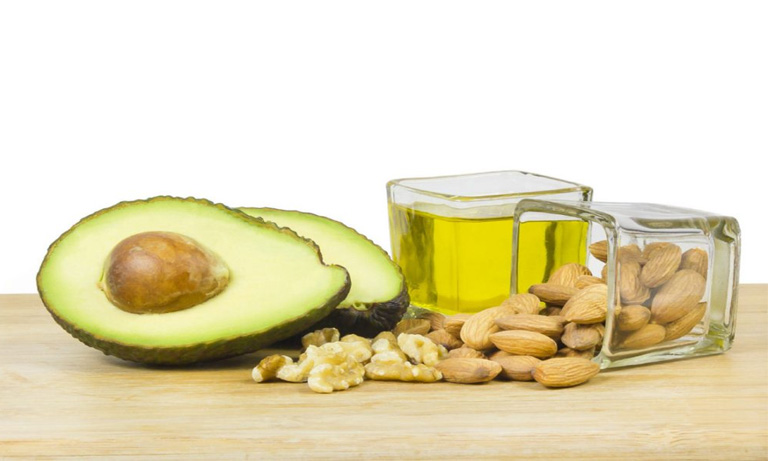
Switch your cooking oil from vegetable oil or coconut oil to virgin olive oil. Olive oil is rich in mono-saturated fatty acids that meliorates HDL cholesterol. You can use olive oil in homemade salad and can be sprayed over on fish and chicken to add flavor instead of butter.
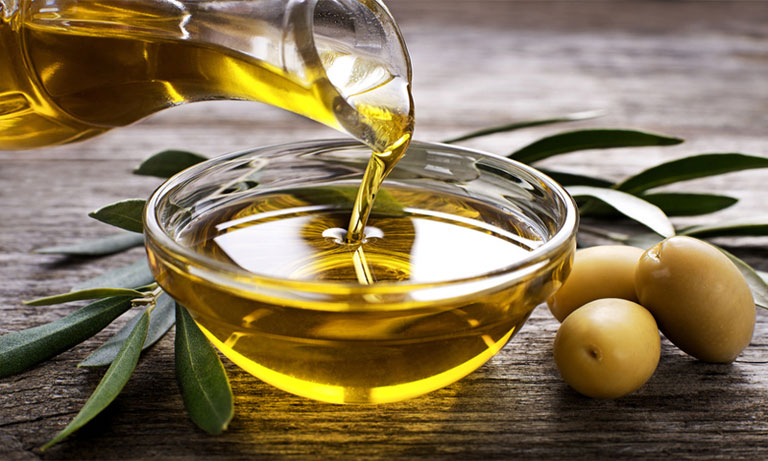
Switch Up Your Oil

  • Eat More Fish

Precisely this diet emphasizes fatty fish like salmon, sardines as these fishes are rich in omega-3 fatty acids which is extremely beneficial for a healthy heart and a healthy brain. Eating fish helps in treating asthma, develops brain and it extremely good of skin and hair health.
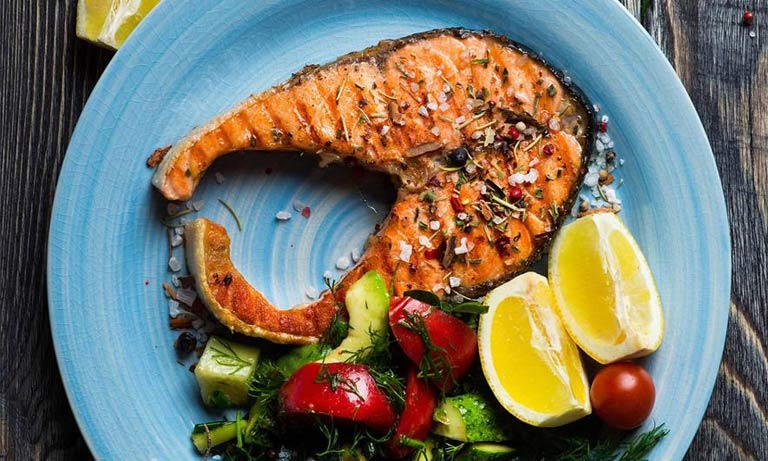
Eat More Fish

  • Eat Veggies

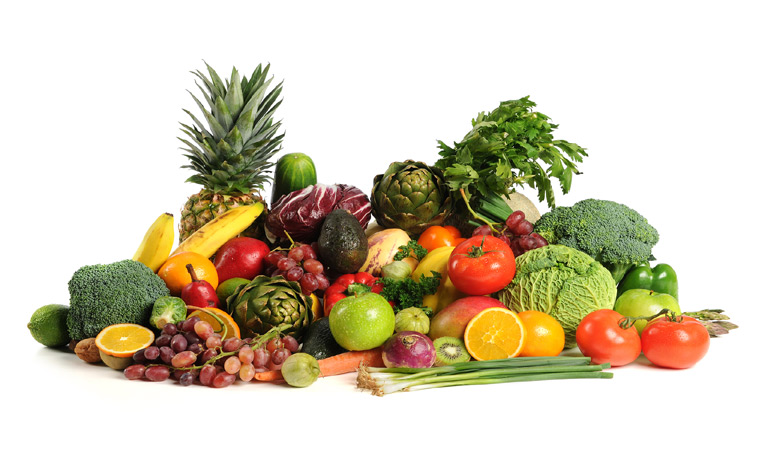
Try and include vegetables in everything you eat. Switch oily snack with crunchy vegetables, add spinach to smoothies. Aim for at least to servings of vegetable per day. And keep in mind the more is better. Apart from improving health conditions vegetables add a youthful glow to the skin as well.
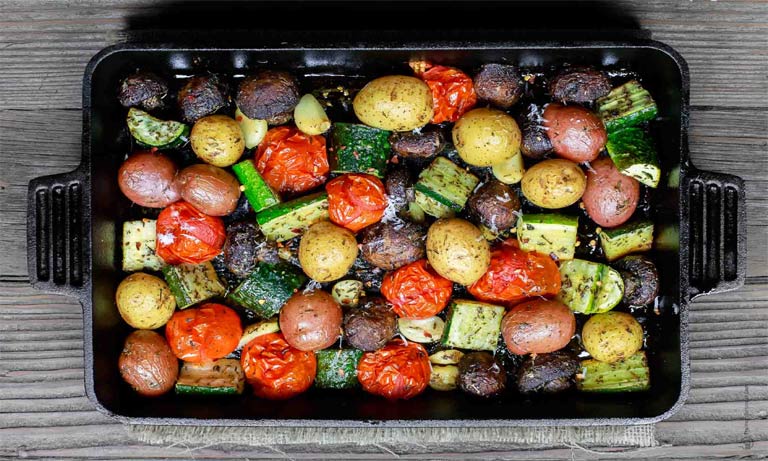
Eat Veggies

  • Consume Whole Grains

Try and experiment with “real” whole grains that are in their whole form and have not been refined. Quinoa, Barley, oatmeal and even popcorn can solve the purpose. But avoid excessive use of oil just drizzle a little amount of olive oil. Consuming Whole grains can reduce risk of heart diseases ans obesity that leads to heart risk. Apart from supporting healthy digestion it lessens chronic inflammation as well.
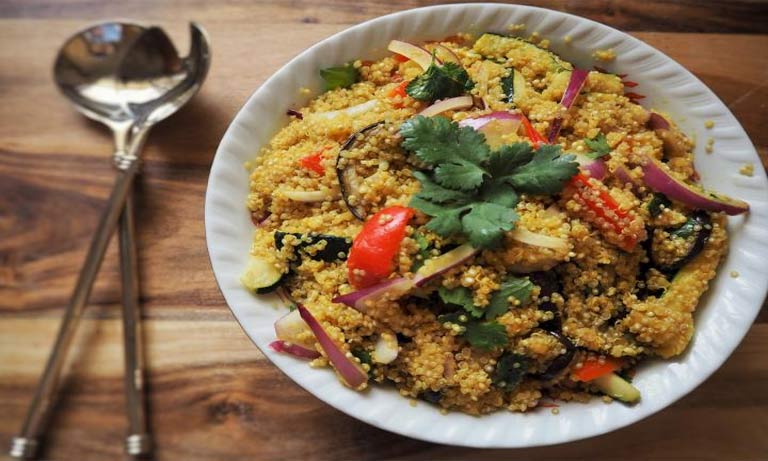
Consume Whole Grains

  • Alter Fruits with Dessert

Fruits are generally considered to be aggrandized by fiber, vitamin c and antioxidants. Keep fresh fruits visible at home and keep few fresh fruits at home as well so you can munch while working.
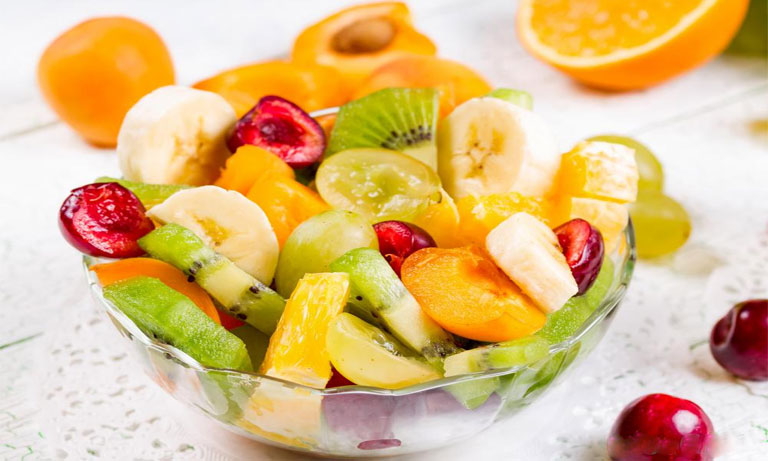
Alter Fruits with Dessert

8 reasons to love Mediterranean diet

  1. No calorie counting
  2. Fresh fruits
  3. Have bread loafs made with whole grain
  4. Fat isn’t forbidden
  5. Variety of cuisines in menu
  6. Delicious spices are incorporated into dishes
  7. Simple, easy and delectable delicacies
  8. You can drink wine but in moderate amount
Paleo Diet

A Simple Though Prefect Paleo Diet Plan

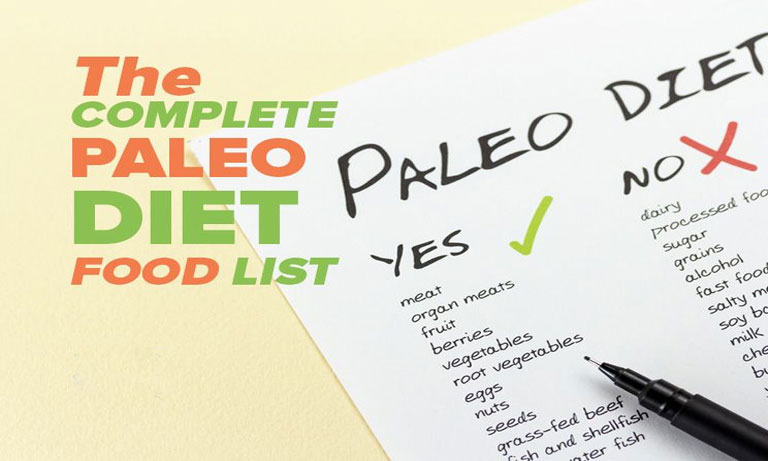
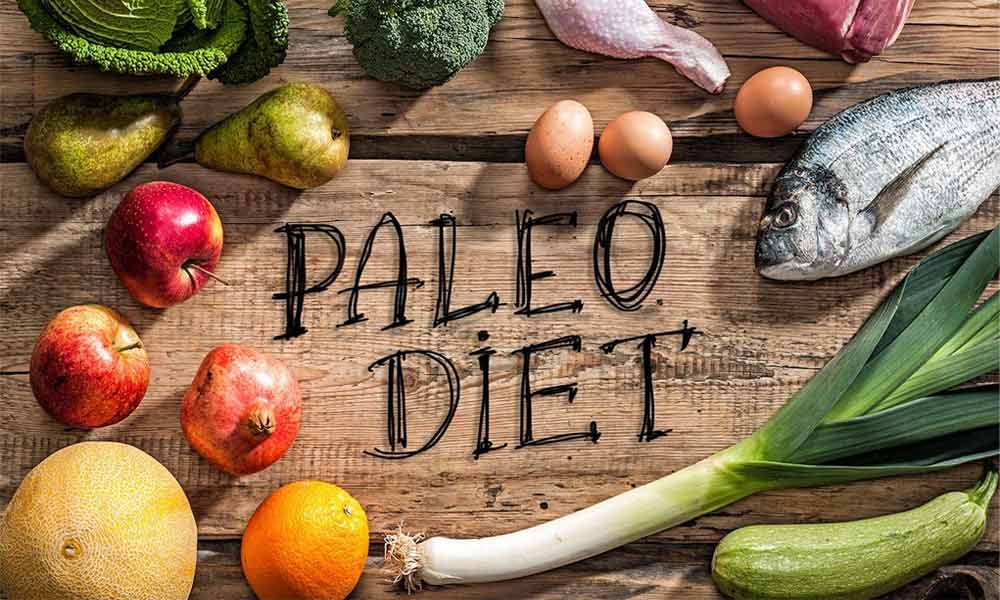
Paleo diet runs on what our ancestors had survived throughout their lives such as meats, vegetables, fruits, sea foods.

Fresh fruits, fresh vegetables, fresh meat—the paleo diet is all about eating foods straight from the Earth just as our ancestors did.

This diet lessens the body’s glycemic load, and maintain a healthy ratio of saturated-to-unsaturated fatty acids, increases vitamin and nutrient consumption, and contains an optimal balance of protein, fat, and carbohydrates.

  • Quick-Start Paleo Diet Food List

While we go into more detail below, here is a quick rundown of the basics:

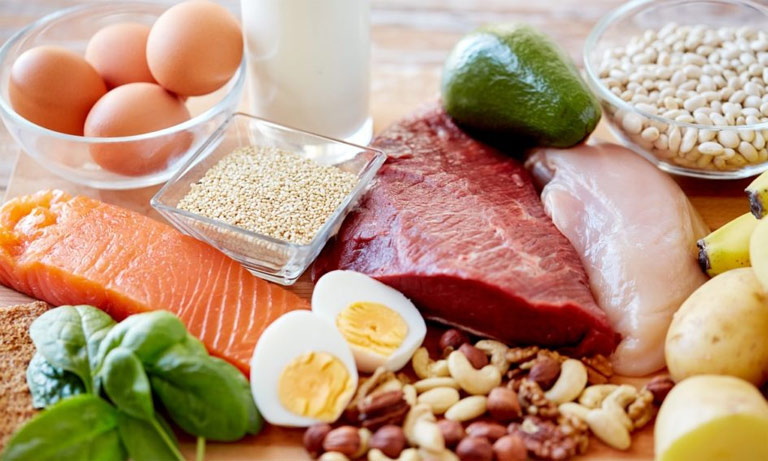
  1. Meats: most kinds, ideally pasture-raised or grass-fed, including organ meats
  2. Seafood: most kinds, ideally wild-caught
  3. Vegetables: any kind, ideally organic and local
  4. Eggs: any kind, ideally pasture-raised or free-range
  5. Fruit: any kind, all in moderation, ideally organic
  6. Nuts and seeds: all kinds, in moderation, ideally organic and with no added oils
  7. Certain oils and fats: mainly saturated and monounsaturated fats (few polyunsaturated fats), ideally organic and unrefined
  8. add some spinach or other greens, vegetable juice, or berries.
  9. Proteins: Anchovies, Bacon, Beef, Chicken, Lamb, Ostrich, Oysters.

Paleo Diet Food List

  • Foods to Avoid in Paleo diet

Before we dive into the enormous list of food that you can enjoy on a Paleo diet, here are the basics of what you should avoid when it’s about paleo diet.

  1. GRAINS
  2. Wheat
  3. Rice
  4. Barley
  5. Rye
  6. Corn
  7. Quinoa
  8. Amaranth
  9. BEANS AND LEGUMES
  10. Soy (tofu, tempeh, miso, soy sauce, soy lecithin)


Atkins diet

A Low Carb Diet for Weight Loss: Atkins diet

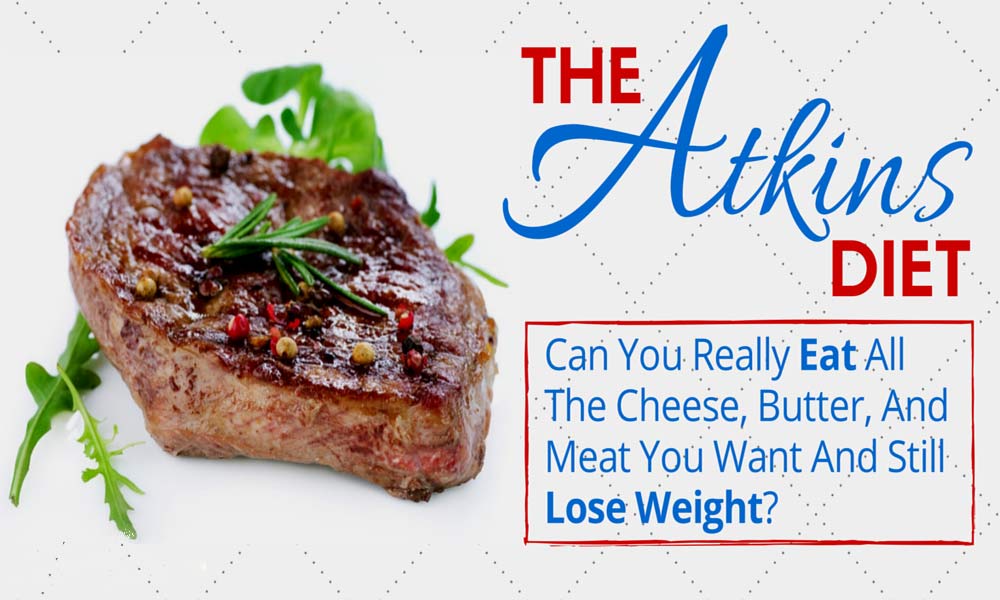
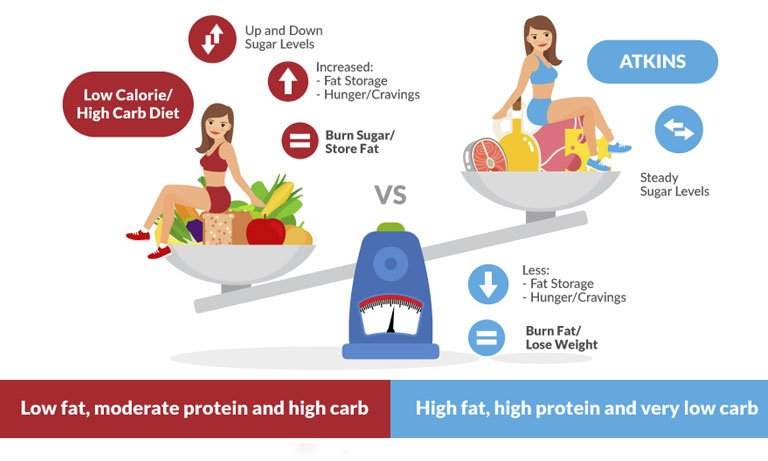
A low-carbohydrate diet, usually recommended for weight loss is known as Atkins diet. The diet claims that you can lose a considerable amount of weight quickly by eating as much protein and fat as you want. A low carb diet is very effective for losing weight and can lead to various positive health improvements. The dietary focus of the Atkins Diet is eating the right balance of carbohydrates, protein and fats for optimal weight loss and health. Basically, you could eat whatever you wanted and in whatever amount if it wasn’t carbohydrates.

  • 4 phases of Atkins Diet
  1. In this strict phase, you cut out almost all carbohydrates from your diet, eating just 20 grams of net carbs a day, mainly from vegetables.
  2. You continue to eat a minimum of 12 to 15 grams of net carbs as foundation vegetables. You also continue to avoid foods with added sugar.
  3. You continue to gradually increase the range of foods you can eat, including fruits, starchy vegetables and whole grains.
  4. when you reach your goal weight, and then you have reached your last phase of following this diet and continue this way of eating for life.

Atkins diet

  • Pros of Atkins Diet
  1. Easy to follow (eat whatever if it isn’t carbs)
  2. Short-term fat loss shown in studies
  • Cons of Atkins Diet
  1. Possible weight gain bounce-back in the long term
  2. No quality or quantity guidelines
  3. No mental or physical performance benefits

The main reason that this diet is so effective for weight loss, is that when people reduce carbohydrate intake and eat more protein. During this diet, their appetite goes down naturally and they end up automatically eating fewer calories without having to think about it.

  • What You Can Eat and What You Can’t

Just learn how to limit your carbs, and enjoy plenty of tasty options instead. It focuses on proteins and fats like Meat, Poultry, Seafood, Eggs, Butter, Oils and Cheese. In addition to this, you will have to stay away from starchy and sugary carbs, including Bread, Pasta, Potatoes, Chips, Cookies, Candy. The Atkins Diet restricts carbohydrates and encourages eating more protein and fat.

Ketogenic Diet

A Well Scrutinized and Examined Ketogenic Diet!

Ketogenic diet is all the way productive if you are aiming at controlling your diabetes, lowering blood glucose levels and reducing the weight.

But let’s understand first what ketogenic diet is?

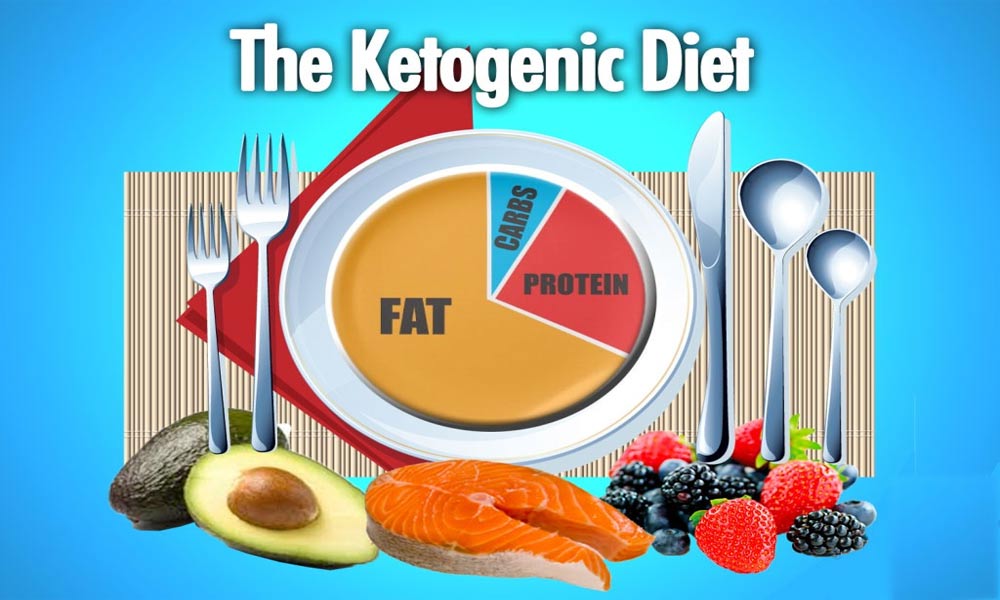
It is low-carb diet, considered to be when you eat a level of carbohydrate of around 30g of carbohydrates per day or below.

This encourages a body to get its energy from burning body fat which produces an energy source known as ketones.

Ketogenic diet helps to lower the body’s demand for insulin which has benefits for people with type 1 and type 2 diabetes.

So now if have decided to try the ketogenic diet. Now are you aware of what exactly you need to eat?

If you’re still spending whole lot time on desktop to look for what to eat in ketogenic diet, stop worrying! I have come up with a prefect ketogenic diet food list that includes everything you can eat for ketogenic diet success.

The good news is that this could be the simple ketogenic diet you have ever seen.

Here, I have broken it down into four sections, fat, protein, carbs, and miscellaneous to bring you a best keto diet plan.


PROTEINS


PROTEINS

  • Beef, preferably fattier cuts like steak, veal, roast, ground beef, and stews.
  • Poultry, including chicken, quail, duck, turkey, and wild game—try to focus on the darker, fattier meats.
  • Pork, including pork loin, tenderloin, chops, ham, bacon, and ground.
  • Fish, including mackerel, tuna, salmon, trout, halibut, cod, catfish, and mahi-mahi.
 FATS

FATS

  • Butter or ghee
  • Avocados
  • Macadamia nuts
  • Coconut butter
CARBOHYDRATES

CARBOHYDRATES

  • VEGETABLES

Think low-carb and non-starchy. Choose leafy greens first, including: Kale, Spinach, Swiss chard

  • FRUITS

Fruits must be limited and eaten in VERY small amounts, as they have a high sugar content. When you do eat fruits, choose lower-sugar options like: Strawberries, Blueberries etc.

Diet for Hypertension

Simple and Easy Diet for Hypertension

High blood pressure is a very common health issue in India. Blame it to the changed lifestyle or pollution or competitive world, most Indians get affected by the stress. This Indian diet plan for high blood pressure will help you manage your hypertension. This diet for hypertension will also help you in delaying or preventing the related health issue and cardiac ailments.

Here’s the perfect diet for hypertension and this diet plan for high blood pressure provides you around 1500 calories and can be followed if you are looking for managing your weight as well as hypertension.

  • Flax seeds – It helps in lowering the elevated blood pressure. Flax seeds prevent from cardiovascular diseases and helps in lowering bad cholesterol.
  • Watermelon – Watermelons helps in lowering the elevated blood pressure with an amino acid called L-citrulline. It is packed with lycopene and fiber and helps in promoting heart health.
  • Whole grains (brown rice / whole wheat flour / Oats) –  whole grain have multiple health benefits. and maintaining blood pressure near normal is just 1 of them. Whole grains are great food to include in the Diet in high blood pressure.
  • Beetroot – The nitrates in beet root improve blood flow by helping the blood vessels to relax. According to an Australian research, Beet root can lower systolic pressure by 5 points within a few hours. Beetroot is very effective if you include it in diet for hypertension and diabetes.
  • Reduce your caffeine intake – Although caffeine raises your blood pressure levels very slowly, it does have a negative effect when consumed regularly. Also, the amount of caffeine you drink also makes a huge difference. One should not drink more than 200 mgs per day. Caffeine intake is one of the things in diet causing hypertension to many people.
  • Eat lean meats – Avoid red meats. Consume chicken and fish that contains omega-3 fatty acids. Bake, roast and grill the poultry but avoid frying. Salmon, tuna and herring are heart-healthy varieties of fish.